
Fruit and Vegetable Prices Skyrocket in Ukraine: What’s the Cost in Different Cities?
Before the war, during the summer season, the store counters all over Ukraine were full fresh vegetables, berries and fruits. However, the active hostilities, logistical difficulties, costly fuel and seizure of Kherson and Zaporizhzhia prices resulting in growing prices and reduced product rage.

 Follow us on Google
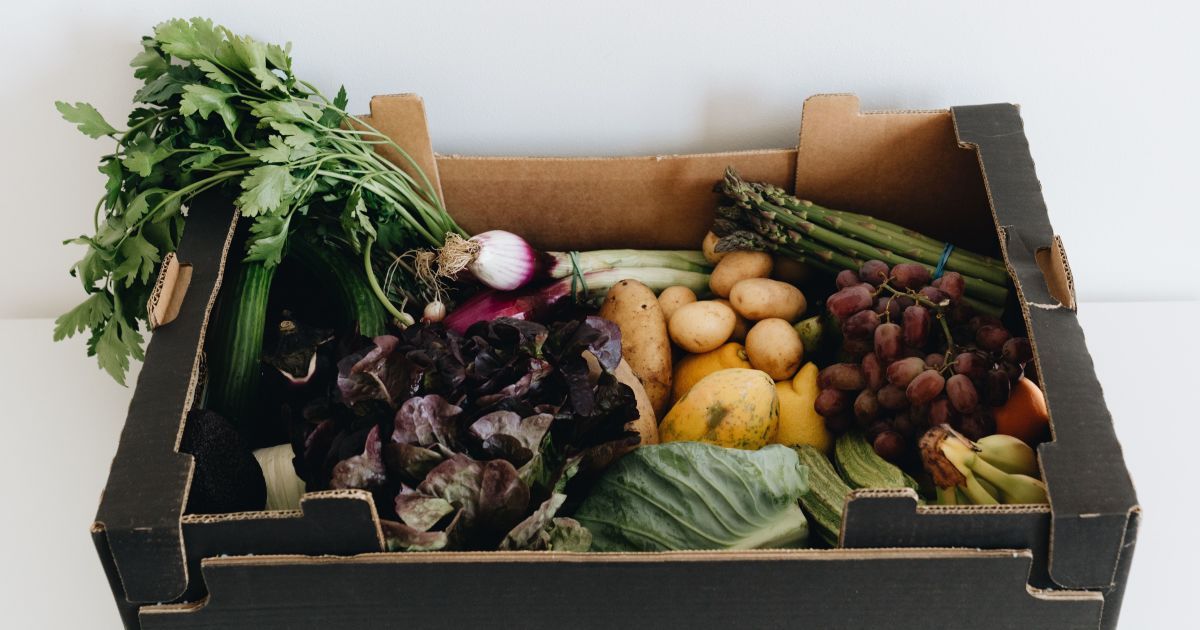
The cuntly will fac deficiency of melons, watermelons, stone fruits and berries, including famous Melitopol sweet cherry and Kherson asparagus, TSN reports.
KYIV
Today Kyiv population consumes twice less fruits and vegetables than last year. The first reason is that many Kyiv residents still haven’t returned from evacuation, so many cafes and restaurants are still closed, Moreover, the prices have raised almost by 30% due to the logistical difficulties, costly fuel and careful behavior of wholesale traders who now purchase much smaller batches of goods.
The weather has also made its own adjustments. This year, the fruit and vegetable season started almost two weeks later than usual. Although, the lack of sunrays negatively affected the fruit quality, the goods are still widely available at the stores. The counters are red with sweet cherry and strawberry, although the prices are at least 40% higher than last year. About half of the goods is imported from abroad. Melitopol – the famous Ukrainian sweet cherry capital – cannot replace the lack of berries, which are now brought to Kyiv from Zakarpattia, Odesa and Vinnytsia Regions.
Premium-class sweet cherry is mostly imported. Previously, the favorite country of origin for sweet cherry importers was Span, however today most goods are imported from Greece and Italy. The high-end imported sweet cherry prices start at 120 hryvnas per kilogram, while wholesale prices for lower-quality domestic berries are around 60 hryvnas. Strawberry market is also split between imported Turkish berries costing 100 hryvnas per kilo and local product from Vinnytsia for UAH 70 / kg.
So called all-season “borshch kit” is represented by mostly imported vegetables. Onion, beet and cabbage are purchased in the Netherlands. Baby potatoes come to Kyiv from Egypt, as well as from Odesa, Mykolaiv and Zakarpattia regions. Meanwhile, last year Kherson potato was an absolute leader on capital’s market.
Kherson region also traditionally has been a key supplier of tomatoes for capital city. Now a part of tomatoes is imported. Big pink tomatoes come from Poland, small red tomatoes arrive from Turkey and even from Azerbaijan. Cucumbers, marrows and herbs mostly come from Khmelnytskyi Region.
DNIPRO
This year Dnipro has no Melitopol sweet cherry and Kherson cucumbers, however there is still no lack of seasonal fruits and vegetables in the city. The store counters are mostly filled with harvests of local farmers from traditionally fertile area of Dnipro Region. However, the prices are really hefty. Sweet cherry costs 90 UAH / kilo, strawberry costs 85 UAH / kilo, peas cost 100 UAH / kilo.
It’s almost double price rise as compared to the last summer. The traders are struggling with forecasting the future prices, since they strongly depend on the rather unpredictable cost of fuel.
ODESA
The prices here are higher than last year, while the product range has substantially narrowed. The counters on Odesa markets are mostly filled with locally produced vegetables and fruits. Due to fuel deficit and difficulties with delivery from other regions, Odesa residents must choose from what the local farmers have to offer.
The product stocks are pretty scarce, while the prices are really hefty. If last year the city was flooded with both local sweet cherry and berries from other regions costing around 30-40 hryvnas per kilo, then today the cheapest price tag is 50 UAH. The same is true for the strawberry: a price for big and sweet berries varies between UAH 60 and UAH 80, while last year the price tags really rose above UAH 50.
The consumers have no other choice but to tolerate these prices, since the imported fruits at the supermarkets are even more expensive. The prices for young vegetables are also hefty due to lack of surplus goods. There are no supplies from Russia-controlled city of Kherson, so the local producers have no competition on the market and are free to raise the price tags.
According to expert estimates, the consumers shouldn’t expect any price reduction this year.
LVIV
In Lviv, the demand for seasonal fruits and vegetables among consumers able to pay have decreased, while the prices have increased dramatically. At least 50% of “borshch kit” vegetables are blocked in the Russia-controlled Kherson Region.
Therefore, the products are imported from Europe. For example, the cost of early cabbage starts at 20 UAH / kg, which is almost three times higher than last year. The carrot prices also increased by almost 80%, so the price per kilo now starts at 18 UAH. However, the biggest problem is beet, which is produced in Europe in relatively low quantities, so the importers have very limited options result in double price rise up to 60 UAH / kilo. The only vegetable not affected by general price rise trend is potato. Central regions of Ukraine fully satisfy the local demand. Due to the surplus cost of storage, Ukrainian farmers are ready to sell it at fire-sale prices of 4-5 UAH / kilo.
Most sweet cherry and strawberry supplies usually came from Melitopol, so now the real life-saver is Zakarpattia harvests, the traders say.
ZAPORIZHZHIA
In Zaporizhzhia, the markets are normally filled with crowds immediately after the end of curfew. The traders admit: the war has made its own adjustments mostly affecting the prices and the supply chains. There is no deficit, but Zaporizhzhia residents have to forget about usual sorts. The invaders are blocking the shipments of Melitopol sweet cherry and Kamianka cucumbers, which previously flooded the whole country during the summer season. Although, new suppliers are slowly making their way to the market.
The locals note the increase of seasonal product prices at least by 1.5 times. However, those who come to the market afternoon may expect a significant discount.
Read also: