
How to force Russia to make peace: Malomuzh outlines four key components
Pressure on Russia must be comprehensive and all-encompassing.
 Follow us on Google
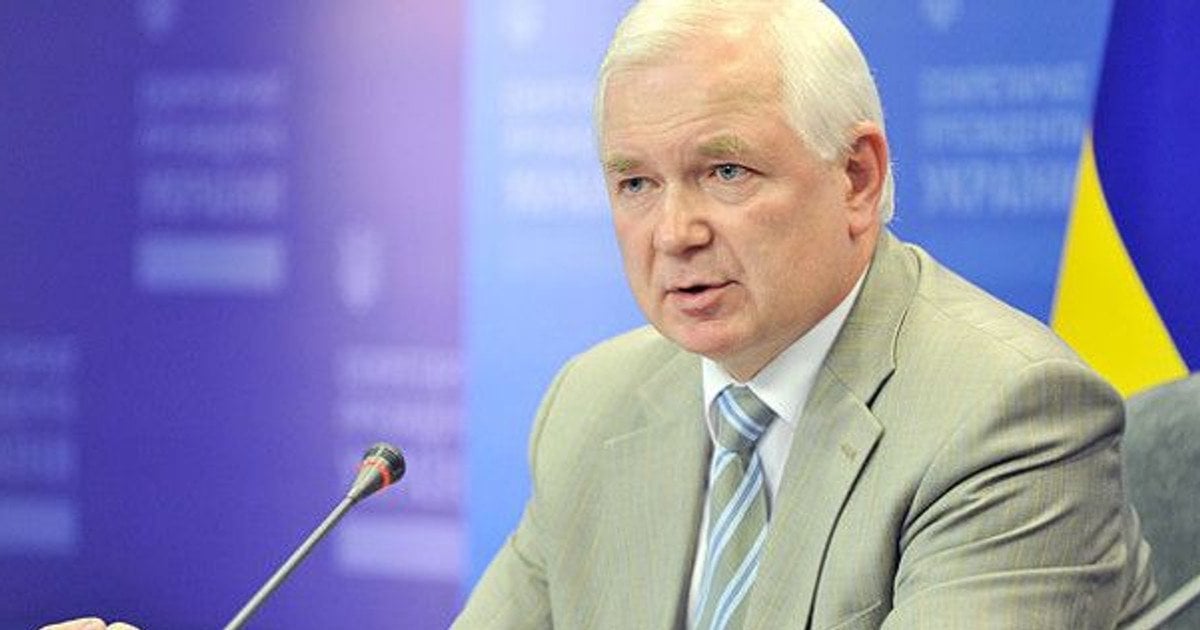
Photo: Website of the President of Ukraine
Ukraine requires intellectual and organizational effort. There are four components to compelling Putin to make peace.
This was stated by Mykola Malomuzh, General of the Army of Ukraine and Head of the Foreign Intelligence Service of Ukraine (2005–2010), during an interview on the FREEDОМ TV channel.
Four Components of coercion
1. Pressure on the frontline
Ukraine needs effective support with advanced weapons, equipment, and ammunition.
“This is the main component - both practical programs and the potential to deploy resources multiple times over, showing scenarios involving Tomahawks and other types of weapons that could provide significant advantages on the battlefield,” Malomuzh noted.
2. Economic pressure
This primarily concerns the energy sector, as Russia’s military-industrial complex is largely funded by the export of oil and gas. Reducing the price of Russian oil is considered a highly effective tool.
“Of course, additional sanctions are needed - restrictions on gas supplies, raw materials, and various technological resources supplied to third countries. A comprehensive approach could close this issue. We’ve seen that as soon as efforts to combat the shadow fleet began, many markets started to "wobble." India and even China began rejecting tankers from the shadow fleet. But this is just the beginning. Systematic efforts, particularly by the U.S. and European countries, are needed. A single, primary, all-encompassing sanctions package is required to restrict everything,” commented the former intelligence chief.
3. Targeted pressure on Russia
This involves pressure on Russian society, Putin’s inner circle, and Putin himself.
“Targeting all his vulnerable points,” Malomuzh explained.
4. Developing a model for European and global security
Malomuzh emphasized that U.S. President Donald Trump and Chinese leader Xi Jinping were once initiators of such a model, known as "Helsinki-2."
“This is about uniting countries to prevent a global nuclear war and ending the war against Ukraine, which could potentially trigger such a conflict. This critical initiative should involve not only NATO and EU countries but also others, including China, India, Turkey, and Brazil, to collectively pressure Russia,” Malomuzh explained.
He believes this is entirely feasible. However, he stressed that these tasks must be implemented with Ukraine’s direct involvement. Effective intellectual and organizational efforts from Ukraine are crucial, as many countries respond well to concrete action plans, arguments, and assurances that their interests are also considered.
Read also:
Former Wagner mercenaries spotted in Chasiv Yar: Their tactics revealed
Zelenskyy reports how many missiles, drones, and guided bombs Russia fired at Ukraine over the week
What Ukraine needs to end the war: Portnikov names the condition
Ukraine is ready to transport gas to Europe, but there’s a caveat: Zelenskyy's proposal