
Kuleba informed whether Ukraine will indeed receive a million shells from the EU and what the problem is
As the minister reported, he told his colleagues that “today I continue to sound the alarm".
 Follow us on Google
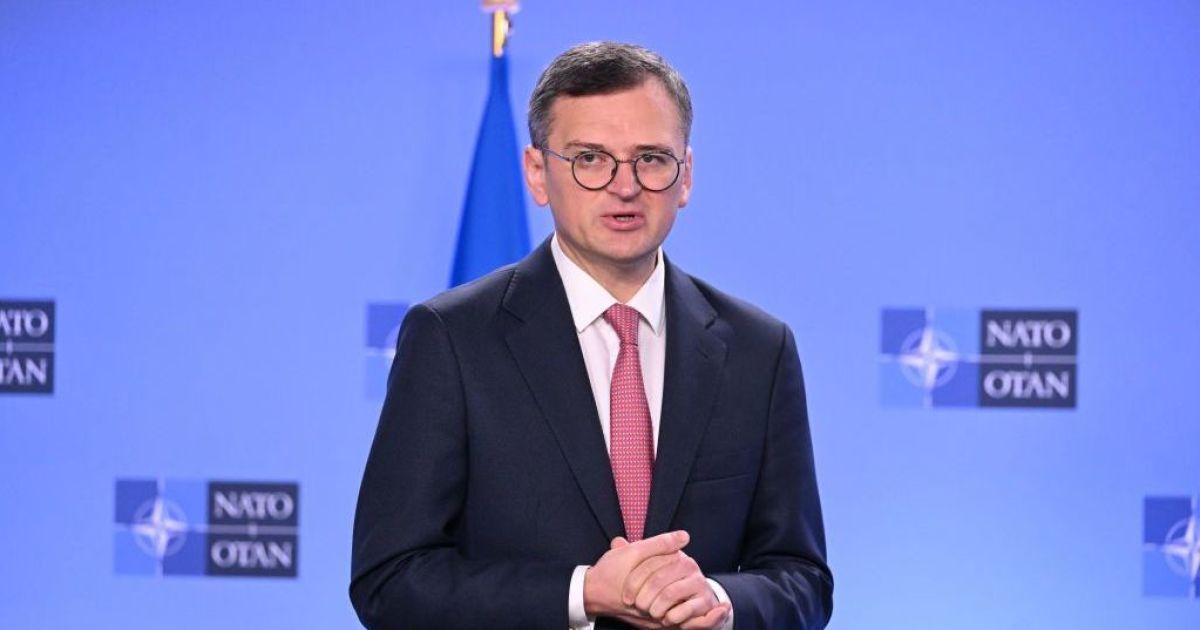
Head of the Ministry of Foreign Affairs of Ukraine Dmytro Kuleba / Photo: Getty Images
The member states of the European Union overestimated their technical capabilities for the production of projectiles for Ukraine, but 1 million ammunition will still be delivered to the country.
This was announced by Head of the Ministry of Foreign Affairs of Ukraine, Dmytro Kuleba, after the meeting of the Ukraine-NATO Council in Brussels on November 29.
"100% that one million (shells - ed.) will be delivered. The only question is the delivery schedule," the minister said.
He added that he could not say now whether the shells would arrive by the end of March 2024, as expected.
What is the problem with a million shells from the EU
Kuleba also explained why there was a problem with the supply of one million shells.
"I don't see a lack of political will to supply a million or more shells. I truly see that colleagues have overestimated the technical capability of countries to produce, find, and procure these shells. That's why we're sounding the alarms," the Foreign Minister stated.
Kuleba also shared that during a closed meeting of the Ukraine-NATO Council earlier in the year, he called for "doing something about defense industries because everyone alone can't solve this. We need a system."
"I sounded the alarm then. Today I told my colleagues that I sounded the alarm at the beginning of the year, and I continue to sound the alarm today. We need to take concrete steps," the minister emphasized.
"He also explained that unlike Russia, defense industries in the EU are not state-owned but private businesses. That means you can't just summon private companies and tell them what to do, “but systemic solutions are needed.”
"I have no doubt that when this mechanism starts working, Western defense industries, to which Ukraine belongs, will be much more powerful than the Russian defense industry," Kuleba added.
Read also: