
Live in a Frontline "Ghost Town": Exclusive Details from Bakhmut
The enemy is very close, there street fights are raging on the outskirts of Bakhmut.
 Follow us on Google

The city of Bakhmut in Donetsk Region remains one of the hottest flashpoints on the battlefield, with the Russian army unsuccessfully storming it for over six months.
Despite regular artillery strikes, lack of electricity, water and heat supply, civilians, including children, still live in the dilapidated town. Volunteers bring them food and medicine, and evacuate those who are fleeing the war zone.
TSN.ua journalists visited Bakhmut and filmed an exclusive report on how people survive in the "ghost town".
Ihor, a resident of Bakhmut, told TSN.ua that only a few dozen people remained in his neighborhood, while the rest had left.
"It is very scary. It's impossible to describe it, you can only to experience it. My wife and I are somehow holding on, but if I were alone, I would have left long ago. There are only 32 people left in our entire Budenivka neighborhood. There are almost no young people, all are elderly. We live far away from everyone. The street stretches for a kilometer. Some houses beginning of the street are still occupied. I think two families live here and that's it," says Ihor.
The man himself had survived in the strike, when the a Russian shell hit his house.
"I was going to wash my face in the bathroom at half past seven. I approached the door, and then it hit. We were scared, the dust was terrible... The shell did not explode. It's such a pity, we have a big beautiful two-story house with gorgeous garden and statues. I used to try to keep it nice and tidy. I am a private entrepreneur, I had a hunting and fishing shop, my wife had a building materials store. But that's it... Only the bravest or the craziest are left here now," he said.
Yevhen, a local resident, has been living in a basement with refugees since May after his house was hit by a shell.
"We are from different houses. We are mostly refugees from Popasna who stayed in the city and cannot leave for various reasons, and people whose homes were damaged. There are 36 people staying here all the time. This is a basement, so people mostly come here to spend the night. We have one more place, it used to be a dormitory, there is no basement, but the rooms are warm. They stay there during the day and come down here at night," he said.
When asked why he did not want to leave, Yevhen replied:
"I have no money for permanent accommodation. I know that they can arrange a place for free, but it's temporary. And then it will be very difficult for me to find a job".
Another resident of Bakhmut, Andriy, says he has decided to evacuate his city:
"My wife is in Cherkasy. The house was smashed two months ago... I had a job here, I was working, I thought it would calm down, but it's getting worse and worse... It's a ghost town, there is no life here and there won't be any soon. They will destroy everything."
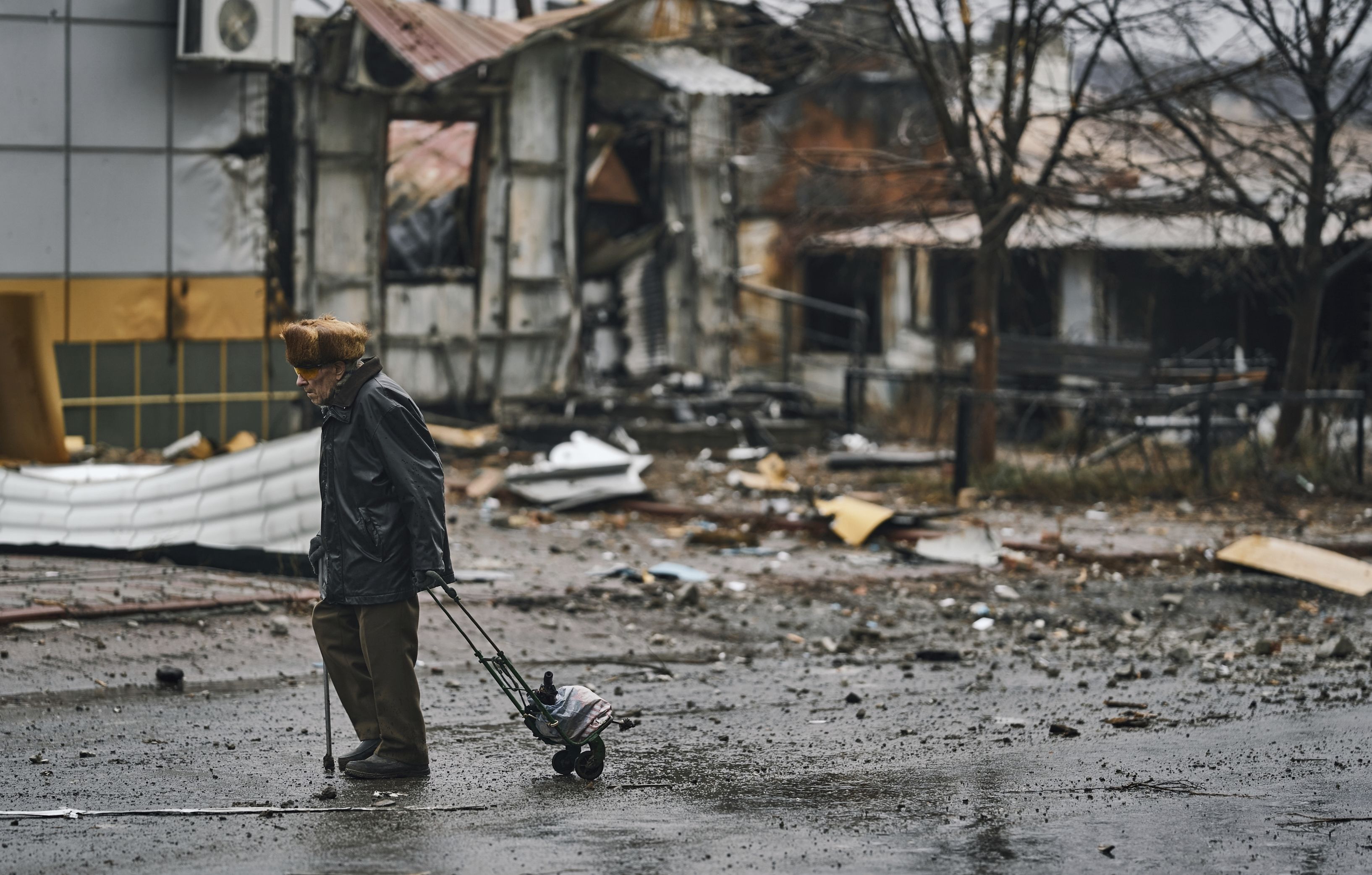
Bakhmut today has the most vulnerable population, said Mykhailo Dobrishman, co-founder of the volunteer organization Base U.
"There are still many elderly people, people with disabilities who think they have nowhere to go, no one will take care of them, no one needs them. But we also see that there are people with children. We do not know why they make this decision, everyone is responsible for themselves. Perhaps for the same reasons that no one will help them. We always offer help," the volunteer said.
Dobrishman also noted that some people have partially adapted to military realities as much as possible:
"Some people like this form of 'communism' wh
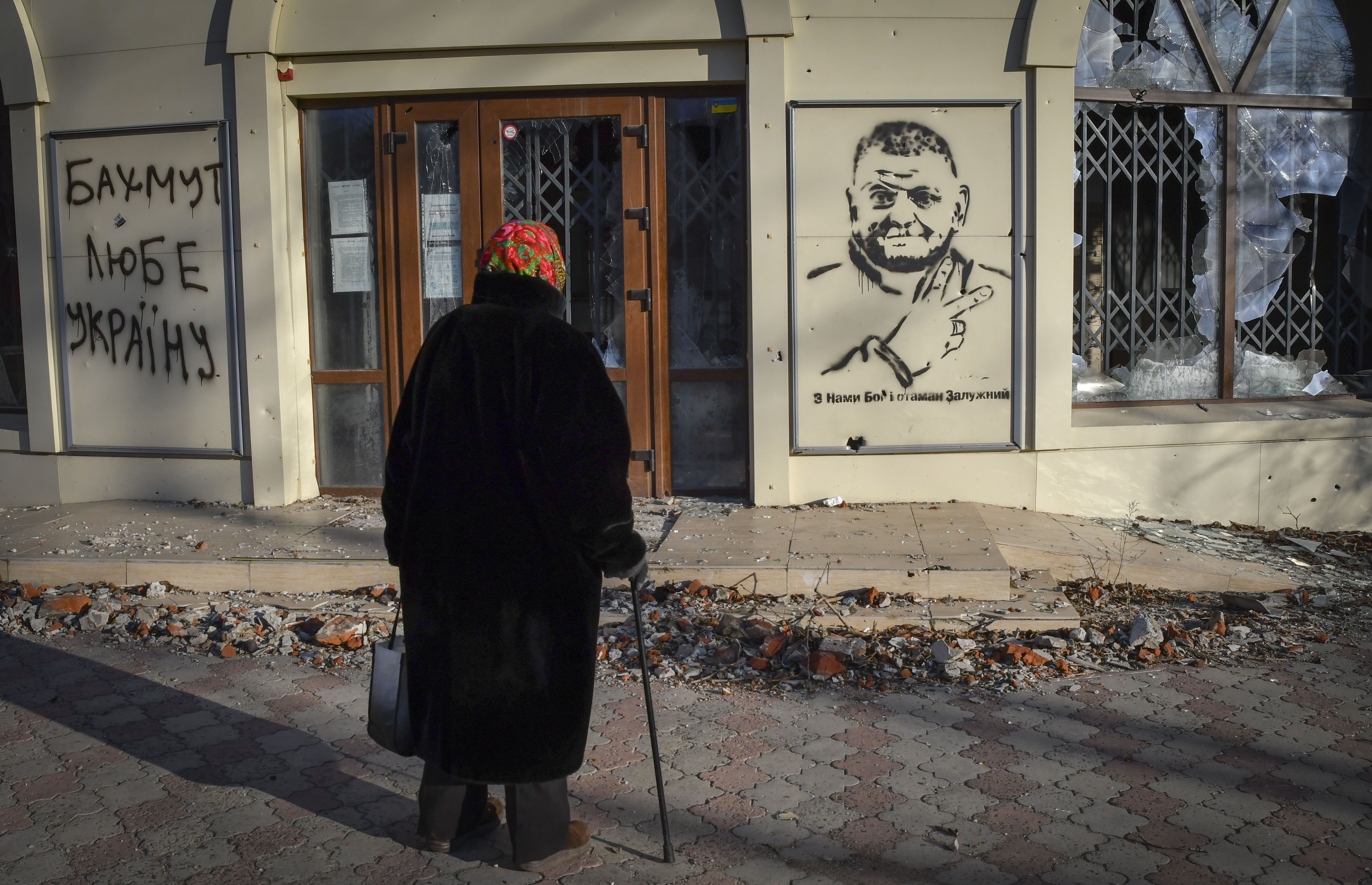
ere you sit around, do nothing, and have food brought to you. You don't have to work, you sit in a bomb shelter and don't go to work."
At the same time, the volunteer says, the situation in Bakhmut is constantly deteriorating:
"The city constantly suffers major destruction and shelling. During the recent weeks and days, we have heard more and more small firearms shots, we can hear it all the time. We realize that the enemy is very close and there are street battles on the outskirts. In general, I think more than 60% of the city is completely destroyed or partially damaged. It is very difficult to see a completely intact building anywhere."
Read also: