
Ukraine tests new weapon against guided bombs: What’s known and key challenges
Ukraine’s Defense Forces are testing new weapons to counter Russia’s guided bombs. We explain why guided bombs are so dangerous and what the main challenges for Ukrainian air defenses are.

 Follow us on Google
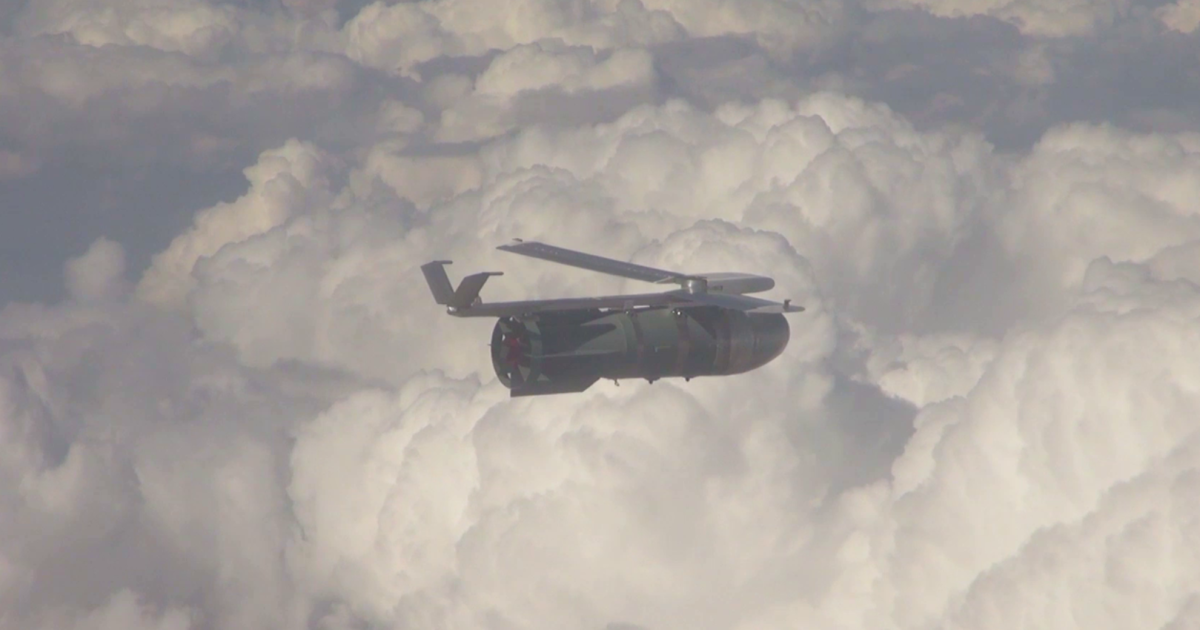
Russian guided bomb / © Wikimedia Commons
The General Staff of the Armed Forces of Ukraine has reported that the Defence Forces are testing new weapons aimed at reducing the effectiveness of Russia’s guided aerial bombs (GABs). Officials have not disclosed details, leaving unclear whether this is an entirely new system or an upgrade to existing air‑defence tools.
This was reported by Defense Express.
From September to November, Ukraine’s Air Force anti‑aircraft missile units destroyed roughly 100 Russian GABs. Despite these successes, the threat remains among the most challenging for Ukraine’s defence.
Why countering GABs is so difficult
A frequently discussed strategy is to target the carrier aircraft and Russia’s production facilities rather than the bombs themselves. In practice, this requires:
air superiority to engage enemy aircraft;
a large stock of long‑range missiles — either cruise or ballistic — capable of striking deep inside Russia.
Without a sufficient arsenal of such capabilities, countering guided bombs remains costly and operationally complex.
Possible nature of the new weapon
Since the announcement came from anti‑aircraft missile forces, the system is likely a new missile complex or an upgraded version of existing platforms.
This approach appears logical: after evaluating available options, Ukraine’s defence forces seem to have opted for a tailored solution, developed independently or in cooperation with partners.
The key challenge: cost
Economic efficiency remains a central issue. In October, Russia set an «anti‑record, ” dropping over 5,300 guided bombs. For Ukraine, countering this threat requires thousands of interceptor missiles, which are usually more expensive than the GABs themselves.
Even with a new countermeasure, the challenge is far from resolved. Analysts say a comprehensive strategy is needed, combining air defence, electronic warfare, strike capabilities, and the production of more cost‑effective missiles.