
Analyst reveals true danger of jet-powered guided aerial bombs: More than just systemic risk
Guided aerial bombs (GABs) have recently renewed their ferocious threat to Ukraine's defense forces, with military analyst Vasyl Pehnyo assessing the genuine level of peril posed by jet-propelled guided aerial bombs.

 Follow us on Google
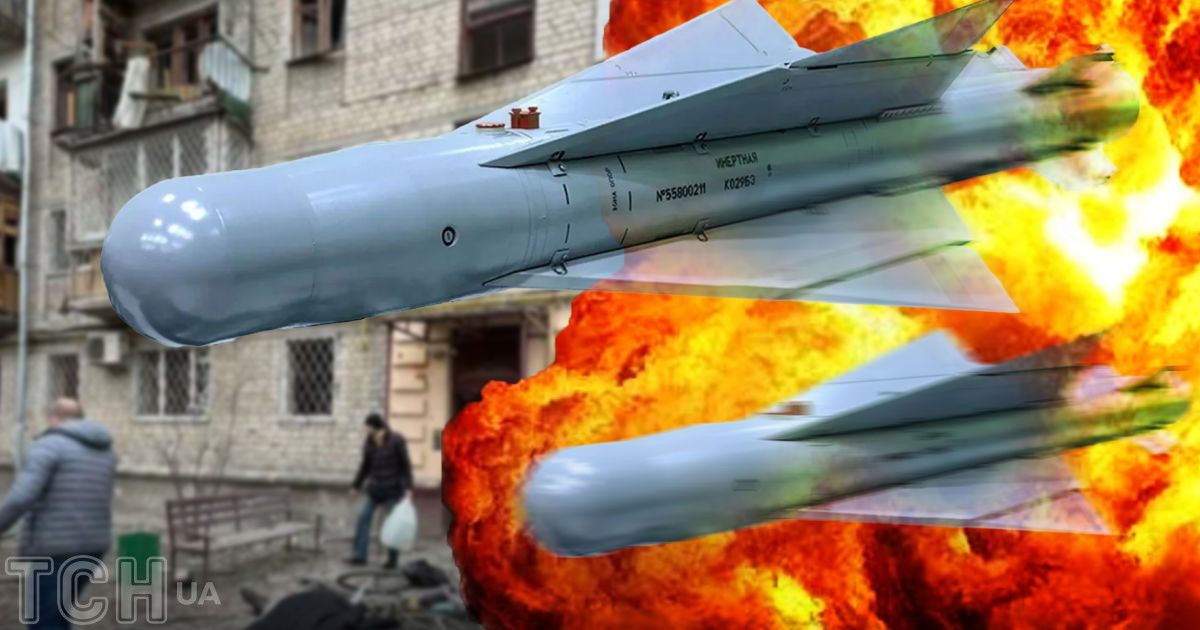
Enemy guided aerial bombs
Russian forces on October 20 launched GABs at Poltava region for the first time. Last week saw a similar incident involving guided bomb strikes on Mykolaiv, as well as on the settlement of Lozova in Kharkiv region.
Speaking on 24 Kanal, Pekhno explained the impact of such bomb strikes deep in Ukraine’s rear.
How dangerous are GAB strikes on rear areas
GABs have recently renewed their ferocious threat to the defense forces. In particular, the 7th Airborne Assault Corps, holding the defense in Pokrovsk, reports that since early October, the number of GABs uses on the city itself has multiplied several times.
Subsequent reports from the Lyman direction — where Russian forces are moving to cut logistics to frontline Lyman in Donetsk region — indicate that 67 GABs fell on Ukrainian positions in just a few days.
"This is more than a systemic threat. It will be impossible to hold the front on any of its sections if GABs start falling with such intensity," Pehnyo says.
According to the expert, it is necessary to combat the carriers of GABs because they now pose a major threat not only in terms of numbers. For example, recently the General Staff began to designate Oleksandrivka as a separate direction — this is the area formed at the junction of Donetsk and Dnipropetrovsk region, where the Russians have certain advances and are moving toward the settlement of Pokrovsk in Dnipropetrovsk region.
On this direction, by the end of last week, the Russians destroyed a series of Ukrainian crossings over the Vovcha River with long-range GABs and drones.
"This is simply logistical hell. Not only do we have not the most stable frontline section at the junction of Donetsk, Dnipropetrovsk, and Zaporizhzhia regions, but the Russians are also severing logistics 50–70 kilometers from the front," the military analyst adds.
This threat is no longer merely systemic — it is now a top operational priority for Ukrainian forces.