
Gripen or F-16: Why Ukraine bets on Swedish fighters
A comparison of Gripen and F-16 for the Ukrainian Air Force: why the country is leaning toward Swedish fighters.

 Follow us on Google
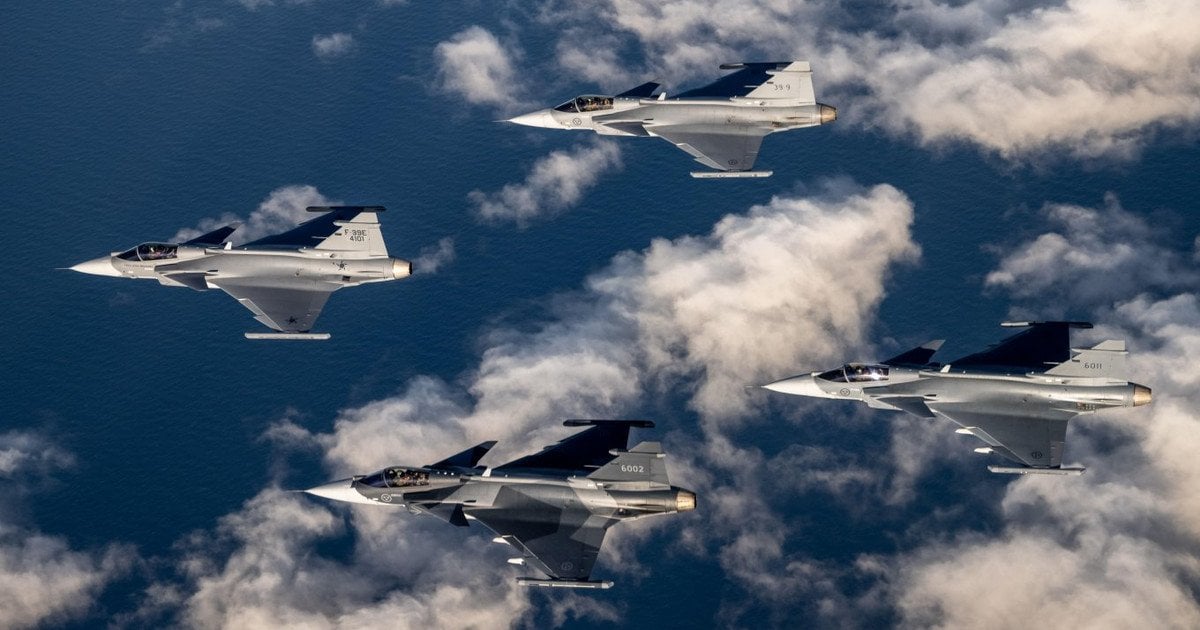
JAS 39E/F Gripen
The procurement of Swedish JAS 39E/F Gripen fighters for Ukraine’s Air Force was largely anticipated. The need for new multirole aircraft to replace aging MiG-29s and Su-27s was identified back in the 2020 Vision plan, which called for 72–108 fourth-plus-generation multirole jets for four brigades, with deployment scheduled through 2030.
This was reported by Defense Express.
At the time, discussions focused on Gripen, F-16 Block 70/72, and, to a lesser extent, Rafale and Eurofighter. The main issue with the F-16 was delivery queues and limited availability, while the Gripen was seen as a more accessible and faster option.
After the full-scale Russian aggression began, the discussion shifted dramatically. It became critical to acquire aircraft as quickly as possible. F-16s initially seemed the most practical solution: European countries began freeing them from service, and transfers from the Netherlands, Denmark, Belgium, and Norway could be carried out swiftly.
However, the F-16s Ukraine is receiving were built in the late 1980s to early 1990s. Their short-term operational use is limited, which is why the strategy also includes parallel procurement of Gripen jets.
The new Swedish fighters will enable Ukraine’s Air Force to operate modern multirole aircraft, capable of replacing old jets and ensuring the long-term resilience of the air fleet.
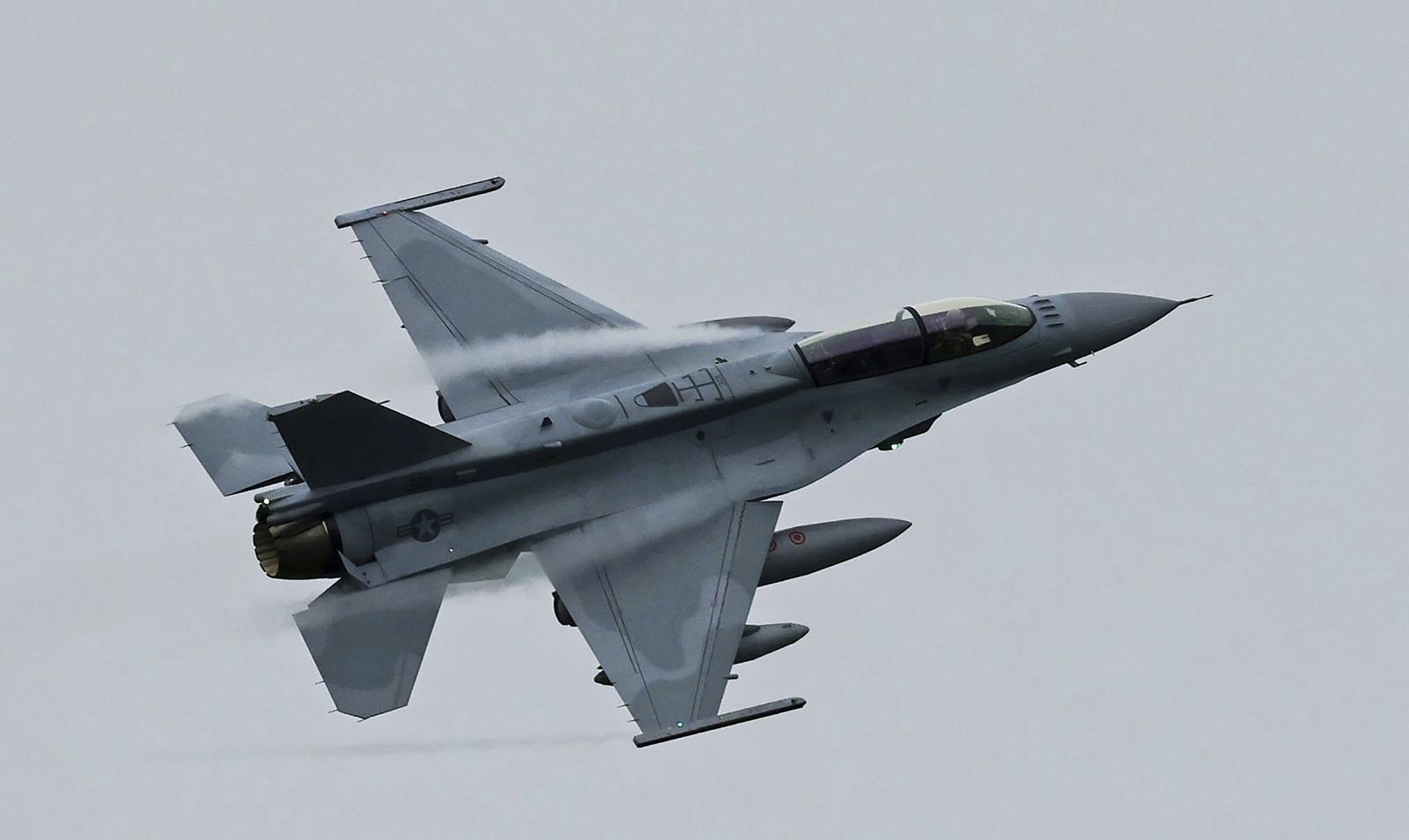
F-16 / © Associated Press
At the start of 2022, the option of additional F-16s appeared more practical due to ease of training and adaptation, but given the need for long-term modernization, the focus has shifted to Gripen. Thus, the decision is based not only on technical capabilities but also on availability, delivery timelines, and the strategic development of the Air Force.