
Execution of Ukrainian POWs: Musienko explained how the occupiers can be punished
The Russians continue to violate international law.
 Follow us on Google
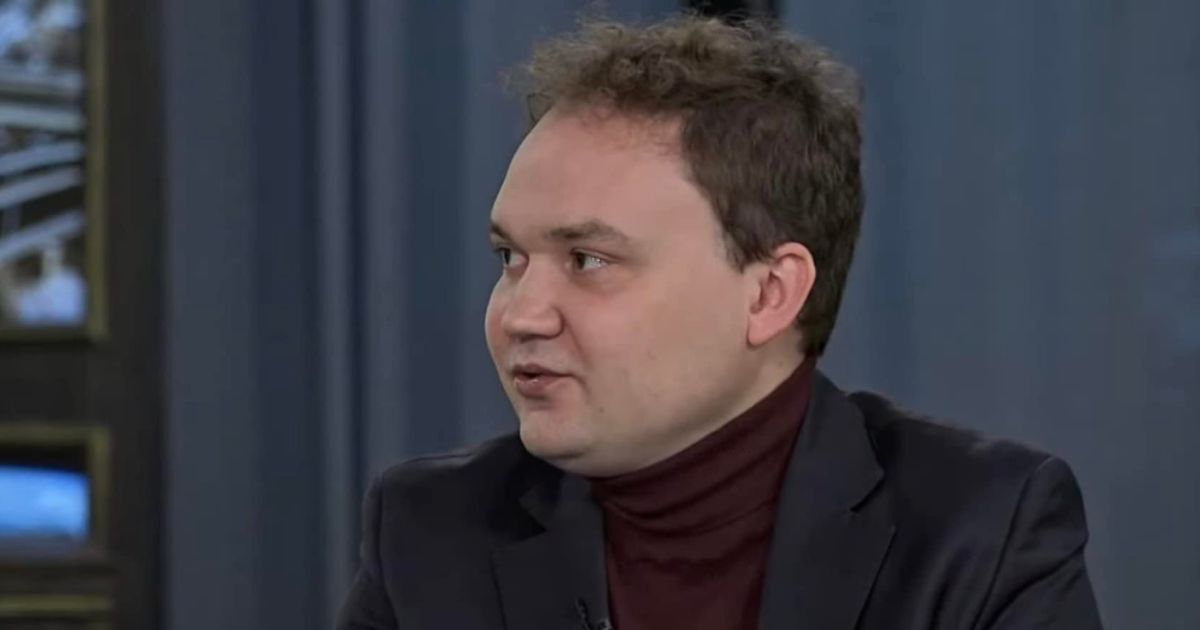
Oleksandr Musienko / Photo: facebook.com/musienkoua/ / © facebook.com/musiienkoua/
Russian military personnel can be held legally accountable for the execution of Ukrainian prisoners of war. Historical precedents exist for such cases.
Military expert Oleksandr Musienko said this during the telethon broadcast.
The enemy must be destroyed on the battlefield
According to Musienko, we can recall the International Tribunal for the former Yugoslavia, which dealt with cases involving people who had either laid down their arms or were civilians.
"There are precedents, including the Nuremberg Tribunal. One of the charges was the execution of civilians, including prisoners of war. At that time, the Geneva Conventions didn't even exist," Musienko said.
The behavior of the occupiers cynically violates international law, which can be qualified as a war crime. However, the military expert adds that this problem is currently difficult to solve in the legal domain.
"From the standpoint of international law – when it is violated, it must be restored. If it is violated by weapons, it can only be restored by weapons. International mechanisms and pressure are happening, but they do not have a practical impact on Russia," he noted.
Musienko explained a simple formula: if there is an armed criminal threatening, he is told: "drop the weapon." If he does not comply, they try to influence and can neutralize him on legal grounds. Musienko emphasizes that this means destroying the enemy on the battlefield, not executing Russian POWs in a similar manner.
"Does this mean that we should adopt the practices of the enemy? So that photos of Ukrainian soldiers executing prisoners appear? I don't think so. The world is not as just as we would like. Not everyone will delve into who is the aggressor and who is the victim. Many want to create an information background of “they are the same," Oleksandr Musienko explained.
Read also: