
Russia attacks Chernobyl shelter with a combat drone: What is known on February 14
The fire has already been extinguished. Radiation levels did not increase, although the damage is significant.
 Follow us on Google
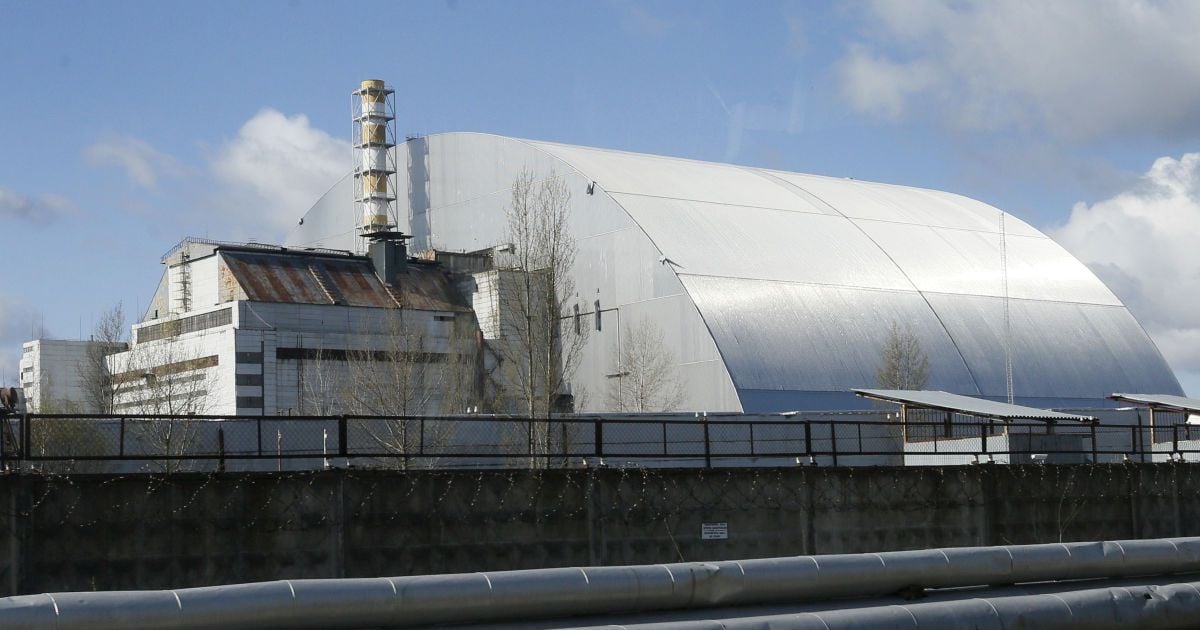
Russian strike drone hits the shelter at the Chernobyl Nuclear Power Plant / Photo: Associated Press
On the night of February 14, a Russian strike drone with a blast warhead hit the protective confinement shell at the Chernobyl Nuclear Power Plant (NPP), causing a fire.
TSN.ua has gathered everything currently known about the attack.
In the morning on Friday, Volodymyr Zelenskyy confirmed that the Russian drone with a blast warhead struck the shelter of the 4th reactor block at the Chernobyl NPP.
"This shelter was built by Ukraine together with other European and world countries, along with America — with all those who want real safety for people. The only state in the world that can attack such objects, occupy nuclear power plant territories, and conduct military actions without regard for the consequences is today’s Russia. And this is a terrorist threat to the entire world," Zelenskyy emphasized.
In his opinion, such actions by Russia indicate that Putin is definitely not preparing for negotiations: "He is preparing to continue deceiving the world. That is why we need united pressure from all those who value life – pressure on the aggressor. Russia must be held accountable for what it is doing."
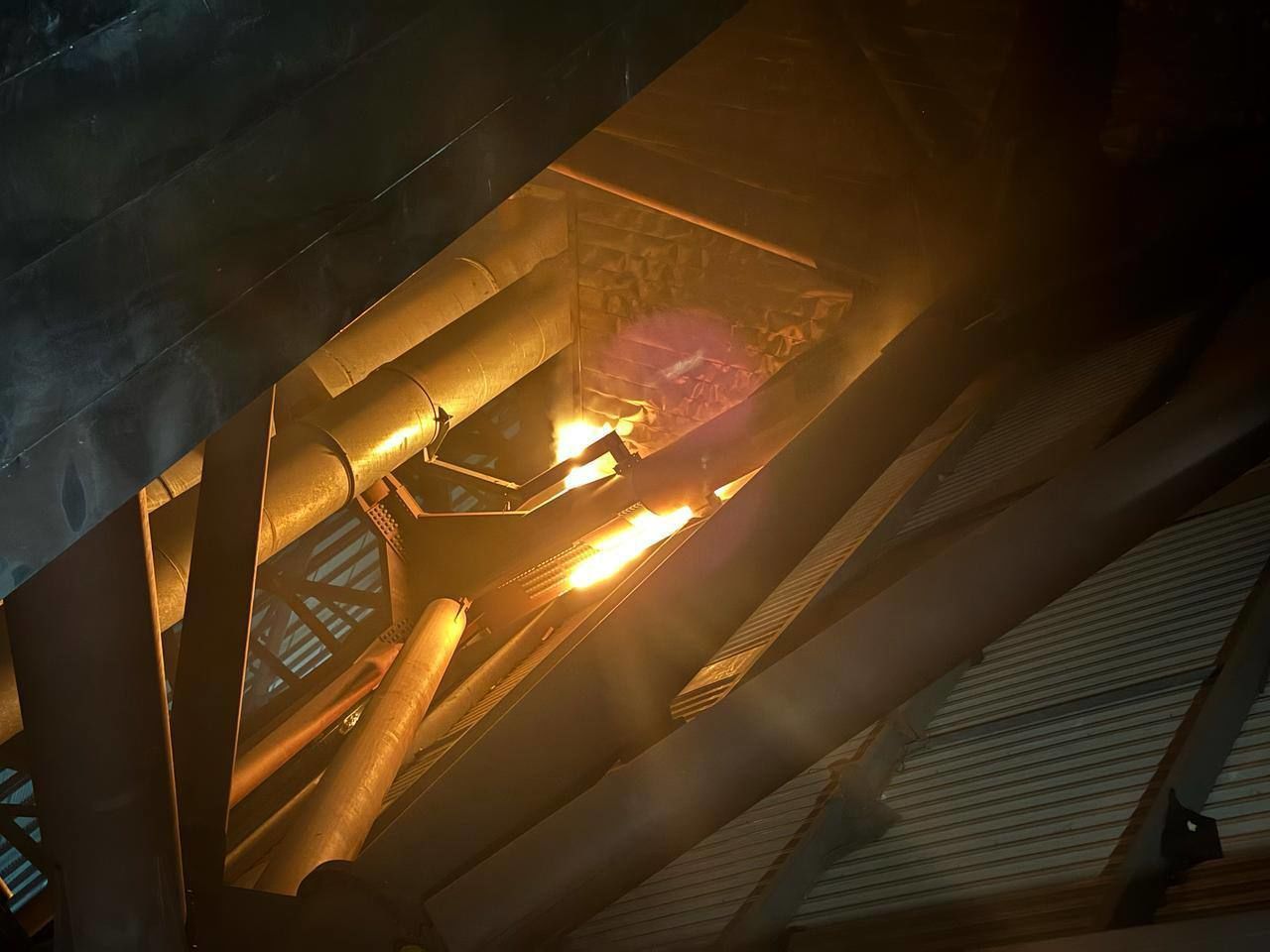
A drone with a high-explosive warhead broke through the shelter at the Chernobyl Nuclear Power Plant / Photo: State Emergency Service in Kyiv region
The aftermath of the attack
Head of the President's Office Andriy Yermak published a photo from the Chernobyl shelter and noted that this strike was not accidental. According to him, the news about the Russian drone attack on the Chernobyl NPP angered participants of the Munich Security Conference.
"Regarding the drone strike at the Chernobyl NPP. This is another proof that Russia is a threat to the whole world. Putin’s military deliberately attacked Chernobyl at night," he wrote.
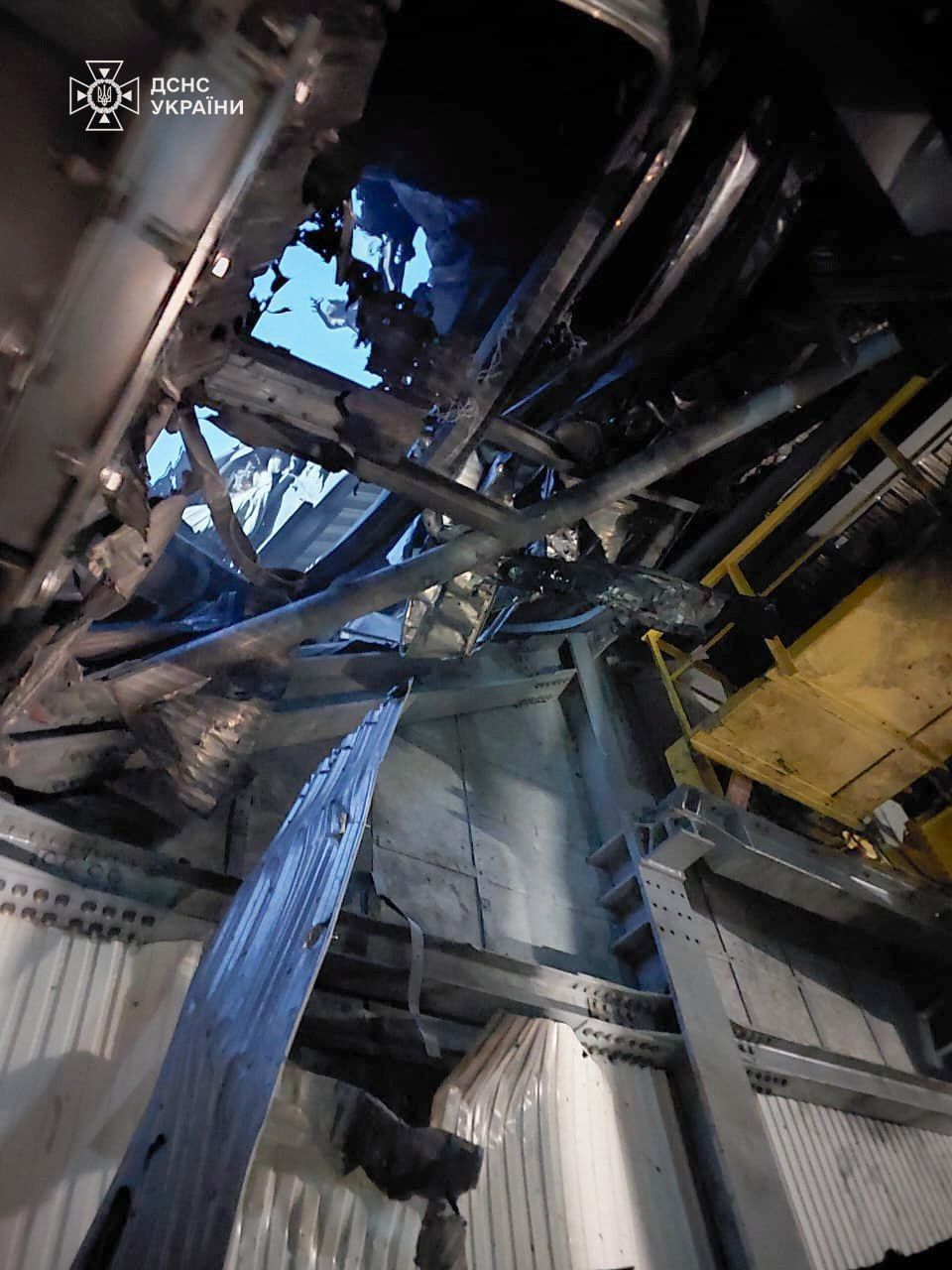
A drone with a high-explosive warhead broke through the shelter at the Chernobyl Nuclear Power Plant / Photo: State Emergency Service in Kyiv region
Russia struck the 4th power unit of the Chernobyl Nuclear Power Plant
The International Atomic Energy Agency (IAEA) confirmed that an explosion occurred at the Chernobyl NPP during the night. They also noted that a drone hit the roof of the sarcophagus at the plant but did not specify if it was a Russian drone.
According to the State Emergency Service of Ukraine, radiation levels are normal.
"After the Russian drone strike on the shelter of the 4th power unit at Chernobyl, radiation levels remain within normal limits. At the Chernobyl NPP industrial site, a level of 0.57 µSv/h was recorded, which does not exceed the permissible values. Monitoring is ongoing. The situation is under control. Follow official announcements!" the statement says.
"Currently, the situation is stable, and no increase in radiation levels has been reported. However, the Russians are consciously launching drones over Chernobyl, constantly experimenting with the flight altitude of the "Shaheds", trying to fly as low as possible. They pose a nuclear threat to the world, which has invested in Chernobyl's safety. Moscow is responsible for the Chernobyl disaster, and the same Moscow is now posing a threat to Chernobyl," said Andriy Kovalenko, Head of the National Security and Defense Council’s Center for Countering Disinformation.
According to the Air Force, the Russian army attacked Ukraine on the night of February 14 with 133 "Shahed" drones and decoys. A total of 73 UAVs were shot down in Kharkiv, Poltava, Sumy, Cherkasy, Chernihiv, Kirovohrad, Zhytomyr, Khmelnytskyi, Zaporizhzhia, Mykolaiv, and Odesa regions. Another 58 Russian decoy drones were lost in various locations.
Read also:
Zelenskyy on increasing the army: Ukraine needs 100,000 more Western troops
Ukrainian enterprises may become the first victims of the gas deficit – Ryabtsev
The President's Office denies a meeting with Russians in Munich