
Why Patriot can't counteract "Oreshnik": Syrskyi's words commented on by Defense Express
The information that was obvious to those familiar with the capabilities and purposes of different surface-to-air missile systems seems to have come as a "surprise to most."
 Follow us on Google
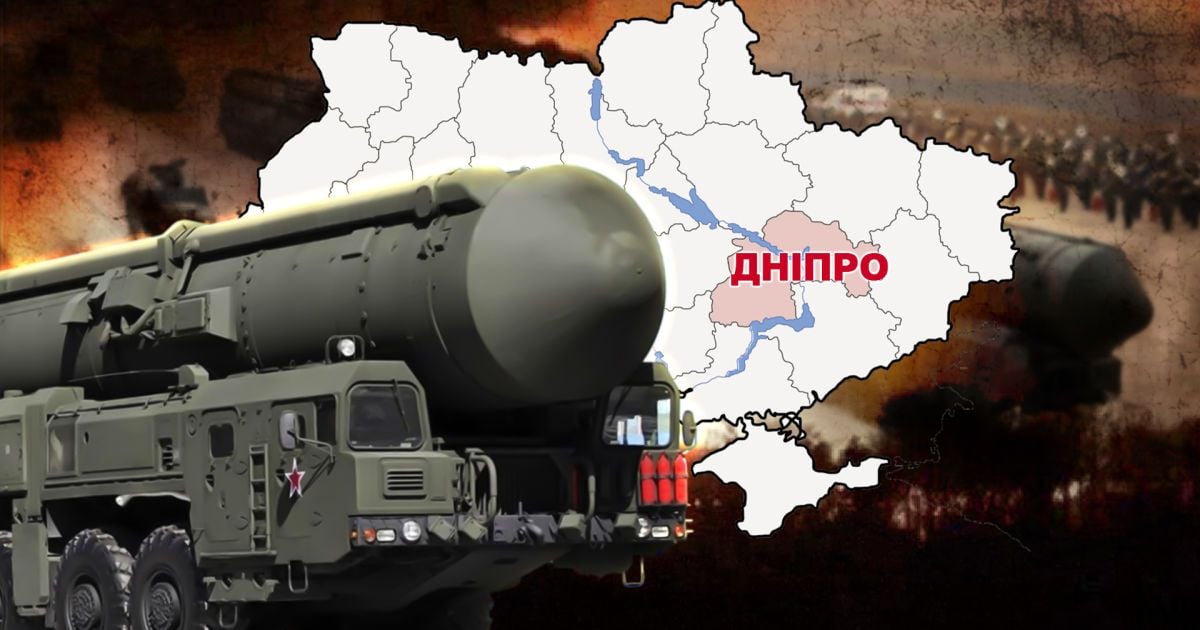
What can counteract "Oreshnik" / Photo: TSN.ua
The fact that Ukraine lacks systems capable of intercepting medium- and intercontinental-range ballistic missiles, including the so-called "Oreshnik," as stated by Commander-in-Chief Oleksandr Syrskyi, is explained by the fact that the Patriot PAC-3 and SAMP-T systems currently in service with the Ukrainian Armed Forces were not designed to counter such missiles. These systems were developed to intercept ballistic missiles with flight ranges up to 1000 km.
This is discussed in an article by Defense Express.
"The thing is, the cruising phase of medium- and longer-range ballistic missiles occurs at altitudes above 100 km, i.e., in space. The re-entry speed of such objects is 3-4 km/s for medium-range ballistic missiles and 5-7 km/s for intercontinental missiles," the article states.
However, analysts note that the Patriot PAC-3 and SAMP-T systems could theoretically engage such targets — more specifically, their warheads, which are already within the atmosphere. Though their real effectiveness in such situations remains in question.
"The main issue is that the "Oreshnik" missile has a separated warhead with individual guidance blocks. This means that instead of a single warhead, this missile carries six warheads and decoys. For example, in the video of the November 21 attack on Dnipro, six groups of six objects each can be seen, some of which are nuclear warhead simulators, while others are decoys," the article explains.
Read also:
Syrskyi reveals how North Korean soldiers fight and whether they are a problem on the front
The occupiers struck Kharkiv region with guided aerial bombs: there are victims, including a child