
Russia preparing large-scale attack on Ukraine: Analyst predicts date and points out nuance
A military expert has warned of a potential threat in the near future.

 Follow us on Google
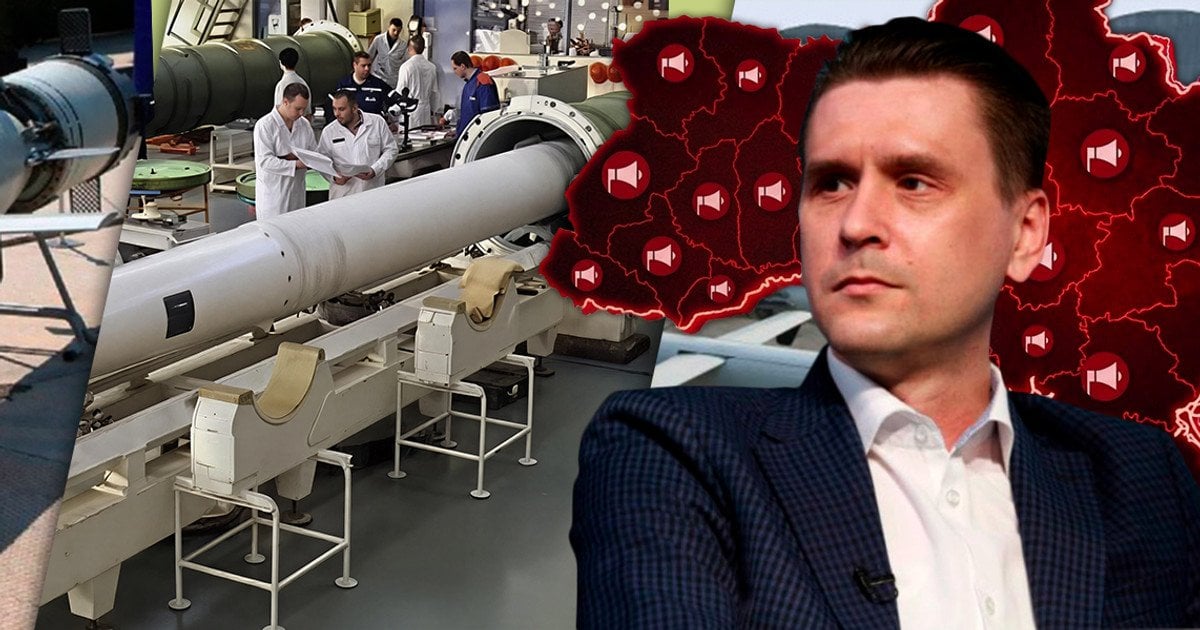
Military-political analyst Oleksandr Kovalenko outlines possible scenarios for upcoming Russian attacks
Russia is expected to continue its war against Ukraine with large-scale missile and drone strikes at roughly weekly intervals, according to military-political analyst Oleksandr Kovalenko of the “Information Resistance” group, speaking to TSN.ua.
Analyzing Russia’s recent large-scale missile and drone strikes on Ukraine, which have occurred either just before weekends, during weekends, or on Monday nights, Kovalenko noted that the attacks are being conducted according to Russia’s available capabilities.
“Russians are now carrying out massive combined strikes roughly once a week. The last significant strike took place on March 14, which was a Saturday. Given the time required to prepare flight missions, assemble munitions, and calculate flight routes, the next strike could occur on the night of 21 or 22 March. Using a large number of their cruise missiles and handling logistics requires roughly a week,” Kovalenko says.
However, he points out that recently, such as in late February, the attacks were not limited to weekends.
“Since January and February were largely devoted to strikes on our energy infrastructure, they now need time both to replenish munitions and to prepare for further attacks,” he added.
Kovalenko says that Russian forces are deploying missiles straight from the production line.
“Undoubtedly. What is produced is sent. Some portion goes into reserve, but about 70-80% of the finished ammunition is for strikes against Ukraine," the analyst says.
He also adds that Russian bombers are near their limit, proven by the fact they carry only 2-4 missiles during each combat mission.
“They are not using six, seven, or eight missiles. The payload is minimal. If they continue at this minimum rate, the missiles could last several years. But all this can be stopped by Operation "Spiderweb-2"," Kovalenko concluded.