
Is it possible to knock down "Oreshnik" and what does it depend on
Not all modern air defense systems can shoot down Oreshnik missiles, and the reason lies not in technology but in the laws of physics.

 Follow us on Google
AIR DEFENSE
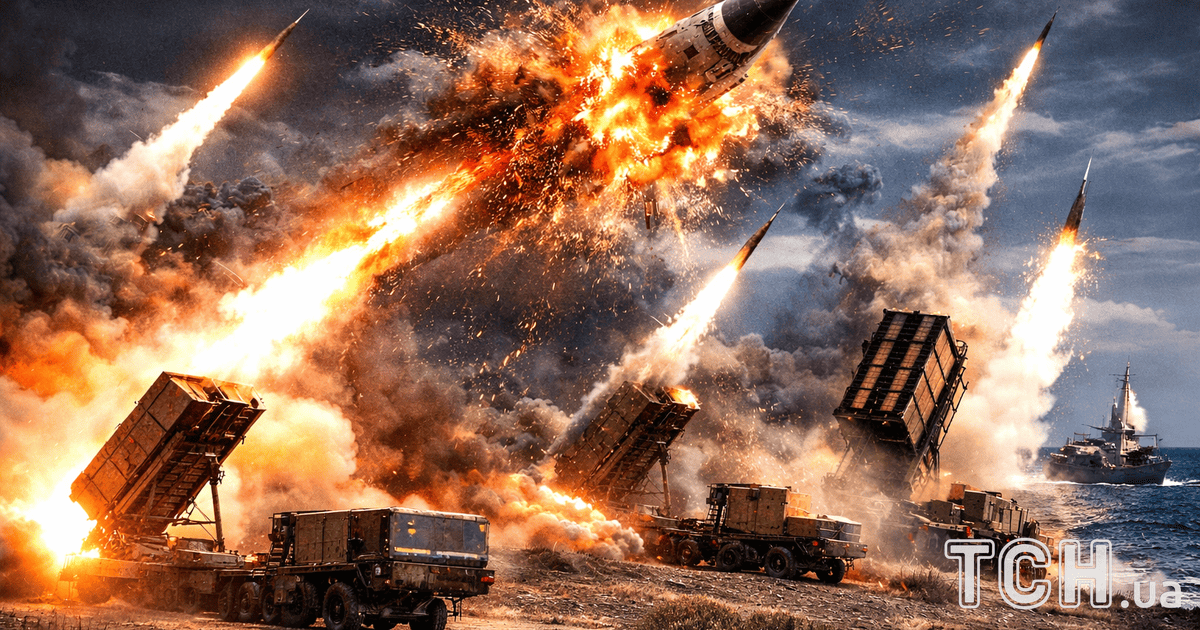
After Russia'suse of the Oreshnik intermediate-range ballistic missile, the question of which air and missile defense systems are capable of intercepting such targets and which are fundamentally not designed for this purpose due to physical and technological limitations has once again become relevant.
This is stated in the analytical material of the specialized military-technical publication Defense Express.
The launch of the Oreshnyk missile in Lviv, which, according to experts, had neither military expediency nor significant practical effect, became another newsworthy occasion for discussing the capabilities of Ukrainian air defense. In the so-called "kinetic design," this missile is not capable of effectively hitting protected or point targets, but the very fact of its use has again raised the question of whether the Patriot and SAMP-T systems available in Ukraine can intercept medium-range ballistic missiles.
The answer to this question is unequivocal and official. Ukraine currently has no systems capable of intercepting medium- and intercontinental-range ballistic missiles. This was publicly stated by the Commander-in-Chief of the Armed Forces of Ukraine, Oleksandr Syrskyi, in early 2025. No fundamental changes have occurred in this area over the past year.
Experts emphasize that the inability of Patriot or SAMP-T to shoot down Oreshnik missiles is not evidence of their technological backwardness or imperfection. Nor is it proof of the "uniqueness" of the Russian missile. The reason is the clear specialization of missile defense systems: each system is designed to intercept targets of a certain class, speed, and trajectory.
Patriot anti-aircraft missile systems, in particular in the PAC-3 configuration with MSE anti-missiles, are designed to combat tactical and tactical ballistic missiles. That is why they effectively intercept Iskander or Kinzhal air-launched missiles. At the same time, none of the manufacturers, including Lockheed Martin, has ever declared that these missiles can hit intermediate-range ballistic missile warheads.
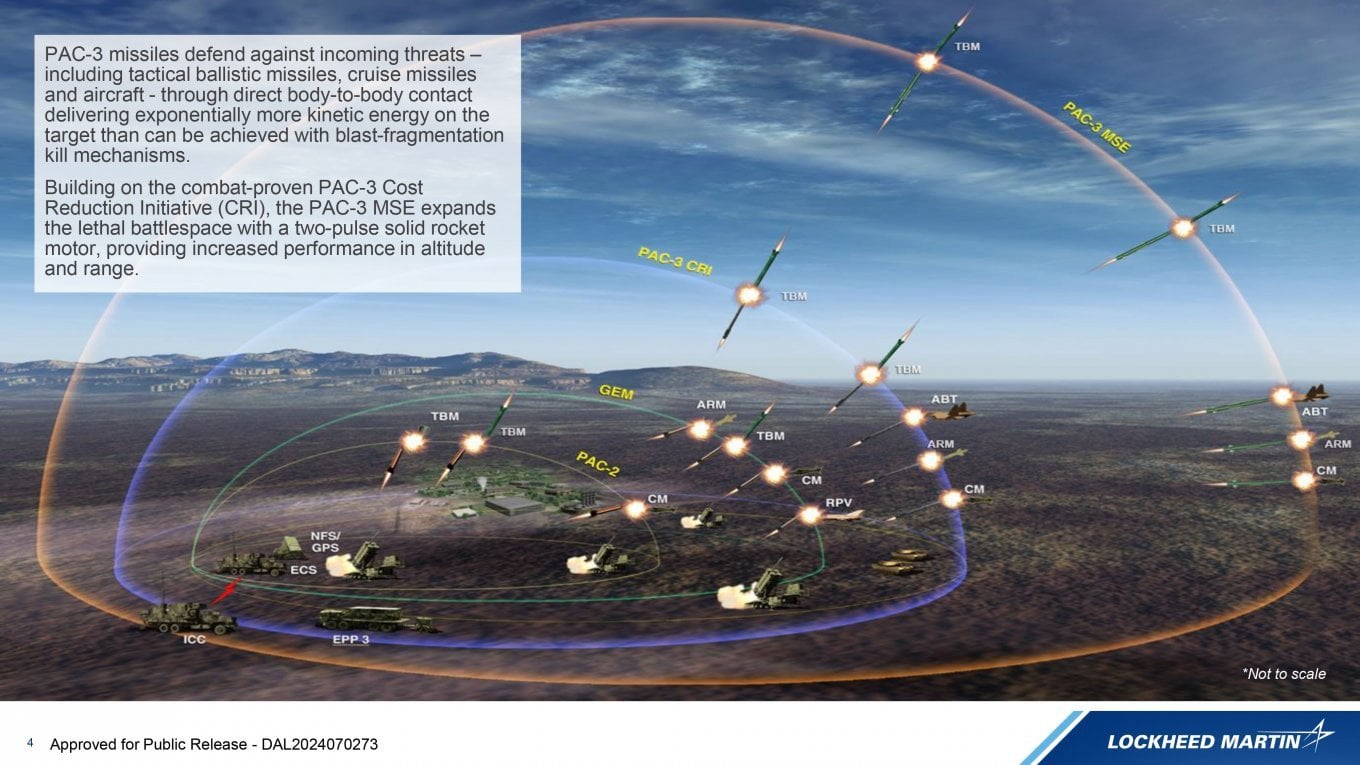
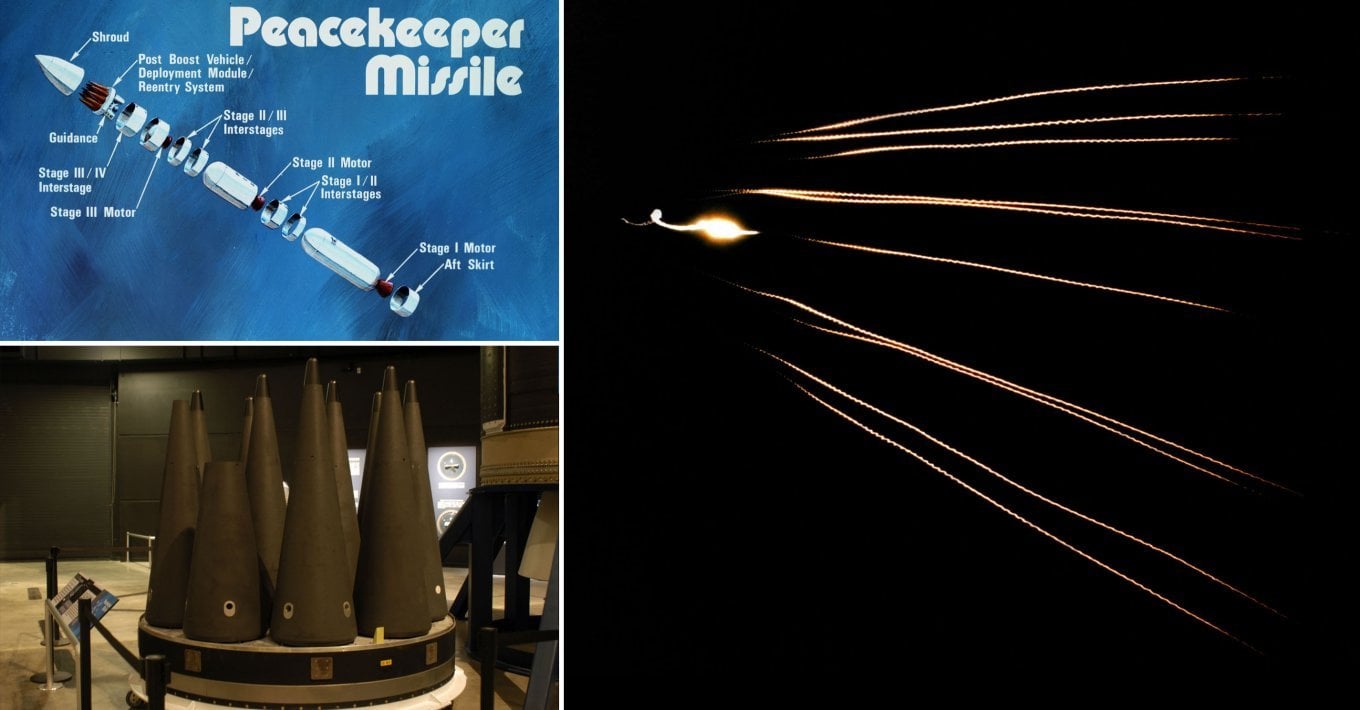
The key difference lies in the target's flight speed, trajectory altitude, and the number of objects to be intercepted. Medium-range ballistic missiles, such as the Oreshnik, have a separate warhead with individual guidance units. This means that effective interception is possible only until the warheads are separated and diverted to different trajectories.
After separation, the missile turns into a complex of several warheads supplemented by decoys rather than a single target. Interception of such a "package" in the atmosphere or on its border is virtually impossible. The separation of warheads occurs at altitudes well above 100 kilometers, i.e., in outer space.
Today, a limited number of systems in the world have the capability of so-called exoatmospheric interception, i.e., destroying a target outside the dense layers of the atmosphere. These systems include the US SM-3 missile as part of the Aegis system, the Ground-Based Interceptor system, the Israeli Arrow-3 system, and the US THAAD, but with a number of significant limitations.
The effectiveness of the SM-3 has been confirmed by numerous tests, including successful interceptions of intercontinental ballistic missiles and even the destruction of a satellite in Earth orbit. The Ground-Based Interceptor, deployed in the United States in the amount of 64 anti-missiles, has also proven its capability despite the high cost of the program and the limited number of launchers.
Israel's Arrow-3 system has demonstrated real combat capabilities by intercepting missiles launched by Iran and Yemeni groups with a range of over 2,000 kilometers. Although the exact types of missiles were not disclosed, they are medium-range targets.
As for THAAD, the situation is more complicated. The manufacturer declares the ability to intercept not only intermediate-range ballistic missiles, but also intermediate-range missiles with a range of up to 5,500 kilometers. However, in real combat conditions, only monoblock missiles without separate warheads have been confirmed to be successfully intercepted.
The ability of THAAD to intercept missiles with separate warheads before they are separated remains a subject of debate and depends on a large number of variables: flight path, speed, launch point, battery placement, and response time. In addition, the system has limitations in terms of range and altitude, as it operates on the border between the upper atmosphere and outer space.
Experts believe that the issue of intercepting Oreshnik missiles is not political or propaganda, but purely technical. It is determined by the class of target, characteristics of the air defense system and conditions of use, not by the level of "modernity" or "backwardness" of a particular anti-aircraft missile system.
Earlier, we wrote that on January 9, around midnight, for the first time in the war , Russia fired an Oreshnik missile at Lviv region. It was moving along a ballistic trajectory at a speed of about 13,000 km/h, which is "super-high."