
New Russian tactic: Guided "Shaheds" have become even closer to deep rear cities
Russian forces have begun utilizing real-time control for "Shahed" strike drones, allowing them to penetrate deeper into the Ukrainian rear.

 Follow us on Google
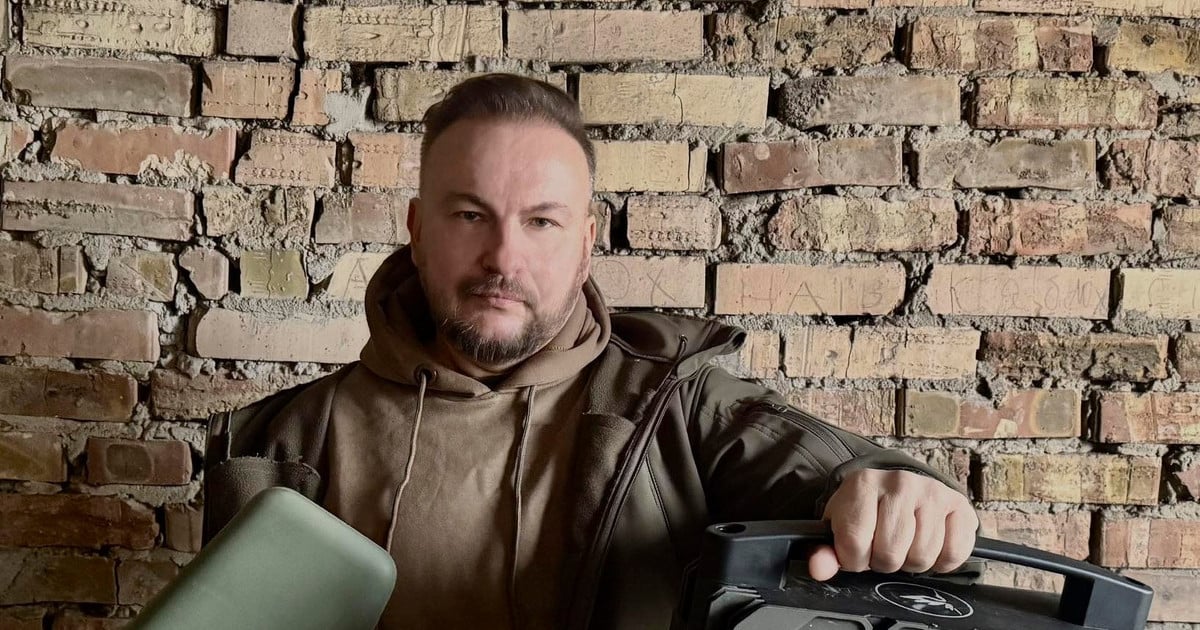
Is EW powerless? The enemy has changed attack tactics and started controlling "Shaheds" live.
Russian occupiers have started actively using MESH-modem technology in Ukraine to control "Shahed" and "Gerbera" type strike drones in real-time mode. This allows the enemy to fly further into the rear.
Serhii (Flash) Beskrestnov, advisor to the Minister of Defense and specialist in EW and communication systems, warned of this development.
According to Beskrestnov, Defense Forces are more frequently detecting drone flights with MESH-modems deeper into the Ukrainian rear.
"Currently, range of guided "Shaheds" reaches Kyiv from north, Poltava from west, and Dnipro, Kryvyi Rih, Odesa, and Mykolaiv from south. MESH technology allows for formation of a chain of UAVs with radio modems, through which information is transmitted in the air," Beskrestnov explained.
How enemy technology works
Method involves creating a "chain" of several drones in the air. One or more UAVs act as signal repeaters, transmitting commands from operator to strike vehicle.
According to the expert, special long-range communication antennas are located at high points and masts on enemy territory. Communication with drone can be maintained at distance of up to 220 kilometers.
"But for connection to exist, drone must be very high, otherwise curvature of Earth's surface will not allow for communication channel," explained "Flash."
Beskrestnov cited an example when Russians struck his home directly.
"In the case when they tried to kill me, two jet "Shaheds" were circling near my house, and two more were on the way a few kilometers from me. Those two "Shaheds" on the way at moment of strike were at altitude of 2200 meters. Simple calculation shows that at such altitude, connection could only be at distance of 200 kilometers. Excluding Belarus, only one option for where control was being carried out is clearly visible," he explained, publishing a map of where Russian pilots likely control the "Shaheds."
"Flash" explained that such a chain of intermediary UAVs for transmission can be long. However, as number of retransmissions increases, speed drops and delay grows. Therefore, enemy uses no more than 2–3 radio signal retransmissions.
The expert warned that at moment of impact, "Shaheds" try to stay close to each other to create strong radio signal that is harder to suppress.
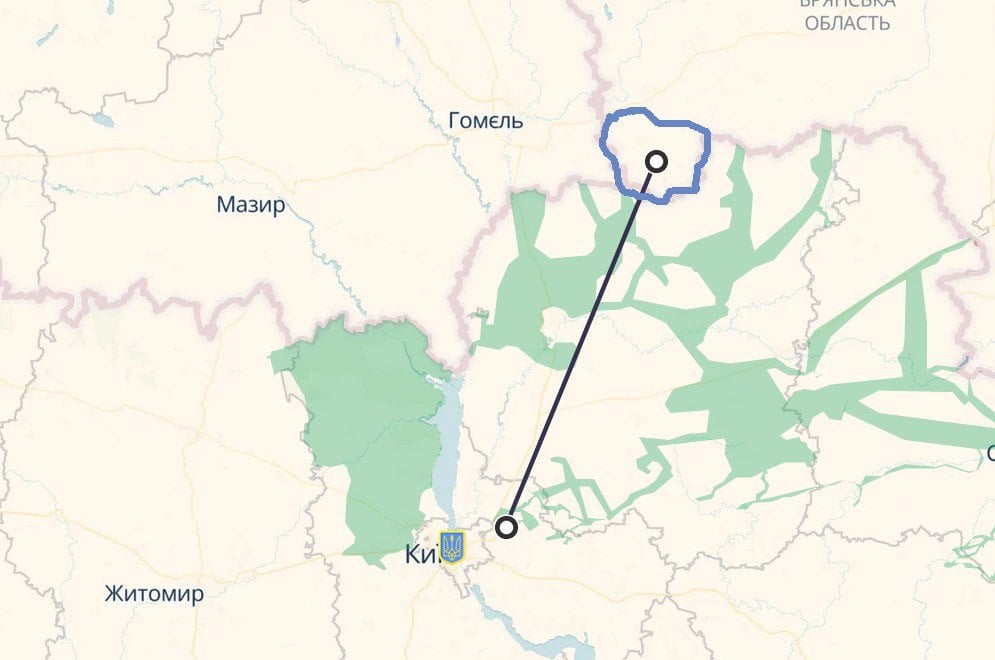
Serhii "Flash" stresses that this is now one of the main challenges for Ukrainian Defense Forces. Military specialists are already working on methods to counter this technology, but existing means are currently insufficient.
"On the other side, large group of pilots and specialists from Alabuga is working against us. There are about 40 pilots alone. They already have both experience and tactics. It is obvious that EW which suppresses satellite navigation does not work if pilot controls UAV manually using navigation instruments," he concluded.