
Sarcophagus under threat: Why attacks near Chernobyl endanger more than just Ukraine
The former head of Ukraine’s State Nuclear Regulatory Inspectorate outlined the potential fallout from a missile strike on Chernobyl’s fourth reactor.

 Follow us on Google
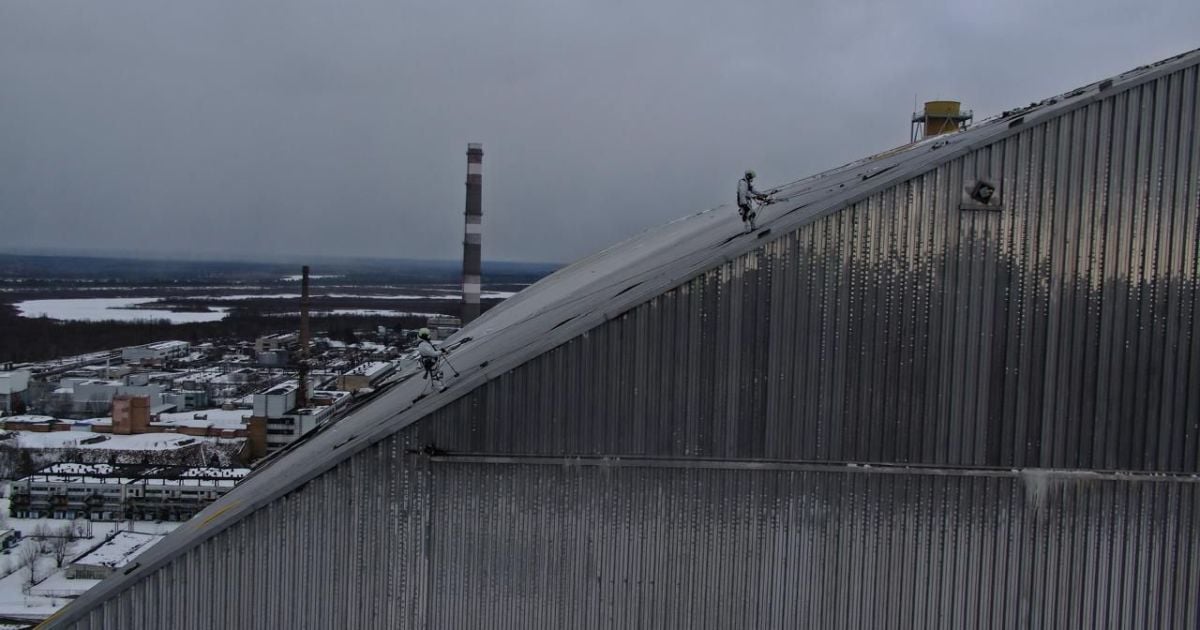
Chernobyl NPP
The Chernobyl plant’s Sarcophagus and the New Safe Confinement (NSC) are extremely complex engineering structures, yet they were never designed to endure direct hits from missiles or drones. Any attack near the site could unleash widespread radioactive effects.
This was stated by the former head of Ukraine’s State Nuclear Regulatory Inspectorate, Hryhoriy Plachkov, in an interview with KYIV24.
The expert stressed that Chernobyl’s fourth reactor remains in a critical state, with nuclear fuel still inside. Even with the protective arch, the facility cannot withstand modern weapons.
“Truly, nuclear power plants, particularly ones like Chernobyl that suffered the 1986 disaster, were never designed for warfare. The fourth reactor, covered by the New Safe Confinement, is one of the world’s most complex engineering structures. A hit by a Shahed, Iskander, or any other missile could have serious consequences, whether in terms of design specifications or unforeseen factors,” explained Hryhoriy Plachkov.
He also said that fully restoring the destroyed reactor to an environmentally safe state is a task measured in centuries, not decades. The legacy of the 1986 disaster continues to challenge future generations.
“The consequences will still affect our grandchildren. Bringing such a facility to a safe state takes centuries, not decades. This makes it complex and hazardous in terms of nuclear and radiation safety, and military actions could inflict significant damage,” the former head of Ukraine’s State Nuclear Regulatory Inspectorate concluded.