
Russia has stockpiled 300 Kh-101 and Iskander-K cruise missiles each: How this will affect attacks on Ukraine
Experts have analyzed the situation and determined how Russia might use these missiles.

 Follow us on Google

Russia has accumulated 300 Kh-101 and Iskander-K cruise missiles / © Associated Press
Russia has stockpiled over 300 Kh-101 cruise missiles and nearly 300 Iskander-K cruise missiles, which could influence the nature of future attacks on Ukraine, potentially making them more massive.
This is reported by Defense Express analysts, citing data from Ukraine’s Defence Intelligence in response to a request from NV.
By mid-May 2025, the Russian military-industrial complex has significantly ramped up the production of long-range missile armaments. Russia has accumulated over 300 Kh-101 missiles, intended for use by strategic bombers Tu-95MS and Tu-160, as well as nearly 300 Iskander-K cruise missiles.
These figures suggest a potential shift in Russia’s approach to missile strikes on Ukraine, particularly in terms of the intensity and type of munitions used.
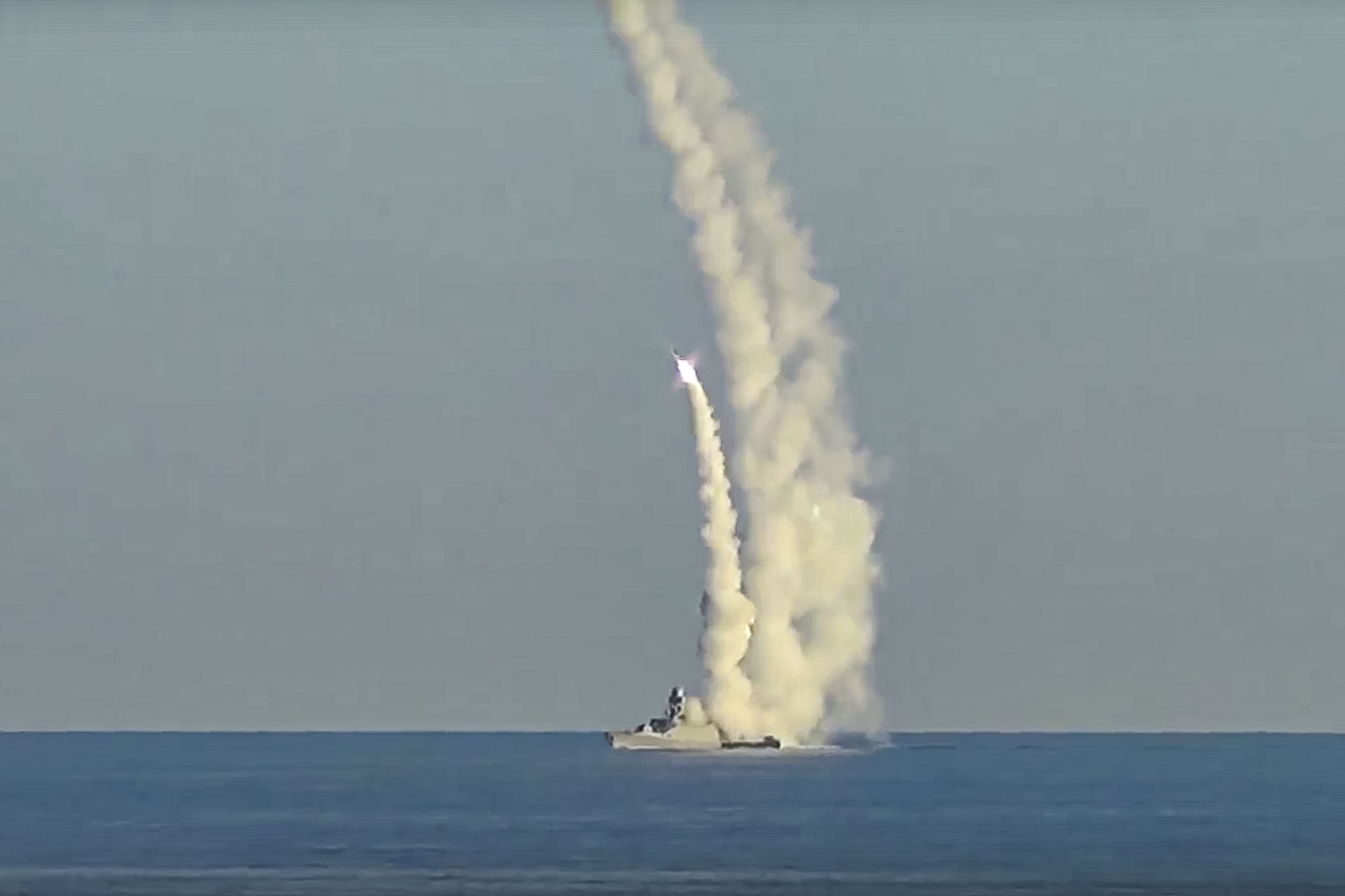
«Kalibr» / © Associated Press
Assessment of Russia’s missile production rates (May 2025)
Iskander-M (ballistic missiles) — 60–70 units/month
Kh-101 (cruise missiles) — 60–70 units/month
Kalibr — 25–30 units/month
Iskander-K — 20–30 units/month
Onyx/Zircon — 20–30 units/month
Kinzhal — 10–15 units/month
Kh-32 — up to 10 units/month

Wreckage of «Zircon» missile
Russia’s missile stockpiles (May 2025)
S-300/400 missiles — 11,000 units
Onyx/Zircon — approximately 700
Iskander-M — 600
Kalibr — 400
Kh-101 — over 300
Iskander-K — nearly 300
Kh-22/Kh-32 — up to 300
Kinzhal — over 100
KN-23 — 60
How Russia will use the missiles: situation analysis
Based on the data, it can be concluded that Russia is focusing on ground-based missiles and air-launched aeroballistic munitions. Given the limited air defense resources in Ukraine, particularly the shortage of Patriot systems, the threat of new massive attacks using high-precision and difficult-to-intercept missiles is increasing.