
How to protect Ukraine from ballistic missiles: Expert outlines what’s needed
To survive «dense nights» with fewer losses, Ukraine needs a multi-layered integrated air defence and an «engineering hub» that anticipates and preempts enemy threats.
 Follow us on Google
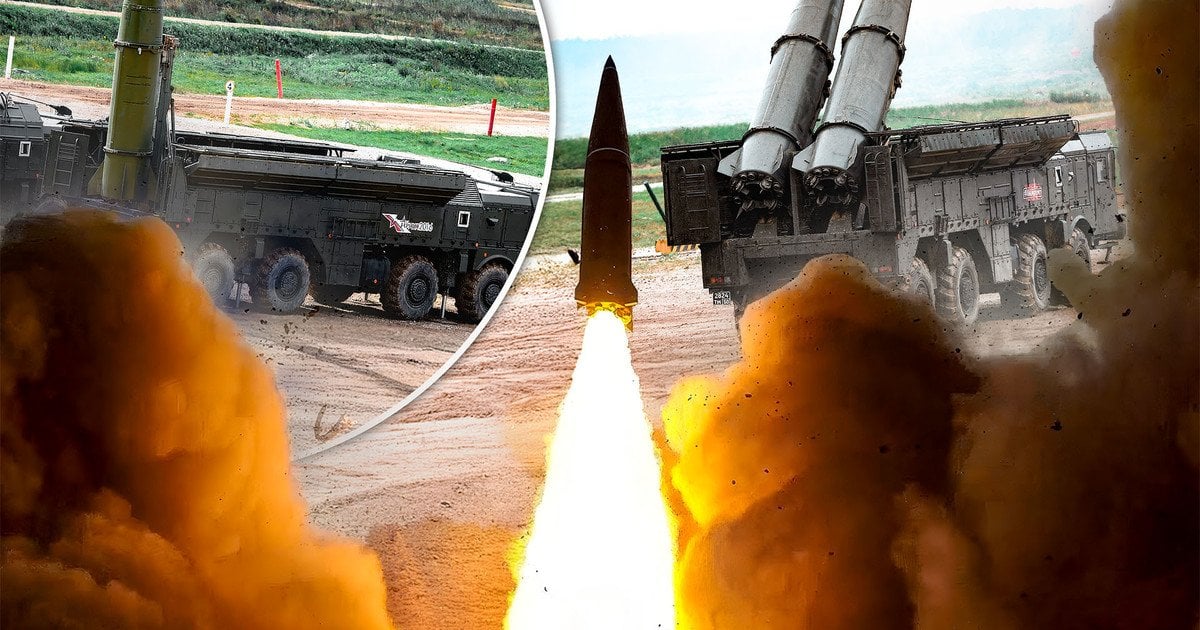
Shelling of Ukraine
A large-scale Russian attack on September 28 broke the old model of air defence, demanding a new architecture, built around five key elements.
Aviation expert Anatoliy Khrapchynskyi said this in an interview with Obozrevatel.
Khrapchynskyi stresses that during the September 28 strike the enemy did not rely on mass alone, but on density and synchronization — the simultaneous launch of Shaheds and missiles. That created excessive strain on the existing system and requires immediate implementation of a new air-defence architecture.
The main aim of that architecture is to disrupt the logic behind how the enemy employs targets and to make their attacks economically and technically pointless. To achieve this, Ukraine needs a multi-layered integrated defence composed of five key elements.
The expert named five strategic directions that must radically change Ukraine’s air defense system:
Dispersal and mobility. Build a network of mobile fire groups and fixed nodes. Using electronic warfare, targets should be herded away from cities into prepared corridors for interception.
Multi-layered integrated defence. This should include:
- Lower layer: anti-aircraft artillery, MANPADS, short-range fire-control systems with short-range radars to counter drones and low-flying cruise missiles.
- Middle layer: IRIS-T SLM or NASAMS.
- Upper layer: Patriot PAC-3 MSE, THAAD or SAMP-T/Aster 30 — the only truly effective tools against ballistic threats.
Sensors and guidance. Maximise integration of data from all sources, including passive and active radars, acoustic sensors and partner space reconnaissance for early warning and a «shoot-look-shoot» ballistic engagement mode.
Economics of interception. The response to large numbers of cheap incoming weapons must be cost-effective: interceptor drones, laser and pulsed-power systems. These will relieve pressure on expensive systems like Patriot or NASAMS.
Logistics and survivability. Rapid reloading, reserve positions and decoys to spread command nodes so that simultaneous Russian strikes do not paralyse command and control.
What’s needed beyond money
Khrapchynskyi emphasised that building such a system requires, in addition to funding, strategic vision.
«We must look not only at what the enemy uses now, but how its armaments will evolve, ” the expert said.
He singled out an «engineering hub» as a key element — a dedicated institution tasked with forecasting threats and developing technical solutions before the enemy mass-produces them. Only combining such foresight with financing will allow defence to stay ahead of threats rather than chase them. That is the only way to build a comprehensive «wall» along the line of contact that renders enemy strikes impractical at the planning stage.