
Putting Updated Russia’s Naval Doctrine: What’s It About?
The document sets out the "borders and zones of Russia’s national interests” and defines the threats for Russia’s national security.

 Follow us on Google
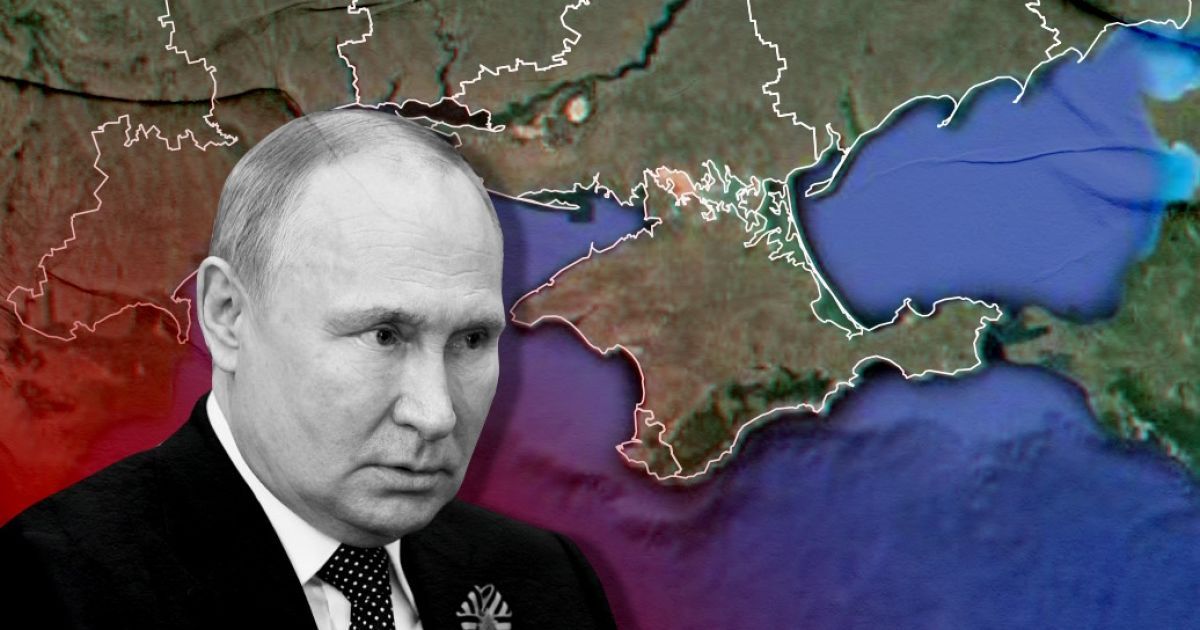
President of Russian Vladimir Putin signed a new naval doctrine. The document became effective on Sunday, July 31st.
According to Radio Svoboda, hosting a naval parade in St. Petersburg and Kronstadt, the Kremlin leaders explained that the document set out the "borders and zones of Russia’s national interests”.
According to Russian President, these include arctic offshore areas, the waters of the Black, Bering and Okhotsk Seas, the Baltic and Kuril Straits.
The main threats to Russia, the doctrine says, are rowing NATO activity, the strategic policy of the USA to dominate the world's oceans, the territorial claims against Moscow by certain states, as well as informational and military “pressure on Russia” on order to reduce the performance of its naval activities.
As Reuters reports, Russia's priority was to develop strategic and naval cooperation with India as well as wider cooperation with Iran, Iraq, Saudi Arabia and other states in the region, according to the doctrine.
"Guided by this doctrine, the Russian Federation will firmly and resolutely defend its national interests in the world's oceans, and having sufficient maritime power will guarantee their security and protection," the document said.
Russia may use its military force appropriately to the situation in the world's oceans should other soft powers, such as diplomatic and economic tools, be exhausted, the doctrine says, acknowledging that Russia does not have enough navy bases globally.
Putin's speech did not mention the conflict in Ukraine, but the military doctrine envisages a "comprehensive strengthening of Russia's geopolitical position" in the Black and Azov seas.
The naval doctrine was first adopted in 2001. Last time, the document was revised in the summer of 2015 after annexation of Crimea and extension of the NATO.
Read also:
First Grain Ship Leaves Ukrainian Port of Odesa- Turkish Ministry of Defence
Protracted War Is a Great Danger": a Member of the European Parliament