
Russia attacked Ukraine with North Korean missiles: an expert explains how they work
The missile is equipped with three satellite guidance systems.
 Follow us on Google
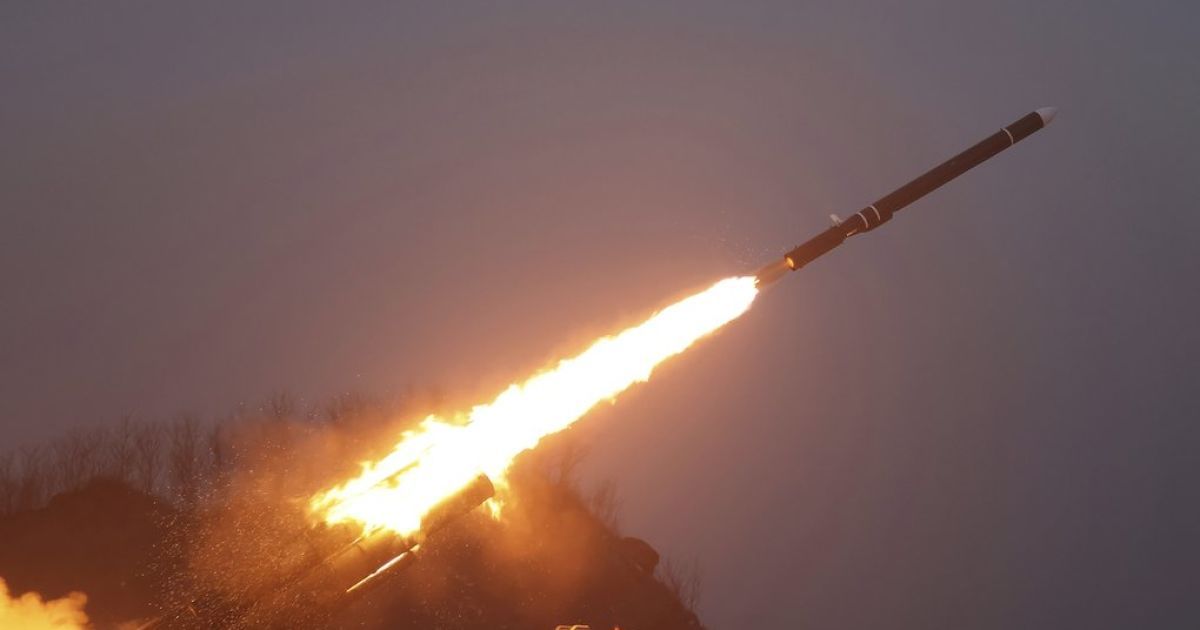
Russia attacked Ukraine with North Korean missiles
On August 11, the Russian army attacked Ukraine with four KN-23 ballistic missiles launched from Voronezh region. The Air Force say that these missiles pose a serious threat to the population.
Aviation expert Valeriy Romanenko discussed this on 24 Kanal. According to the expert, the KN-23 is a clone of the Russian "Iskander" ballistic missile.
Despite the threat, these missiles rarely hit their targets. The deviation from targets is typically between 100 to 200 meters, and sometimes they disintegrate mid-flight.
American intelligence systems have recorded the missile's range at 690 kilometers.
"The North Korean missile is 400 kilograms lighter and has a range that is 190 kilometers longer. The launch complex can carry two such missiles. The Korean missile is known as the KN-23, but that's an abbreviated name; the real Korean name is Hwasong-11Ga. This missile's body diameter is 10 millimeters larger, and it's 90 centimeters longer, resembling the Russian prototype in most components," Romanenko explained.
Further examination of the missiles revealed that their guidance systems are very basic. The missile has three satellite orientation systems: the American GPS, the Russian "GLONASS", and the Chinese "BeiDou".
"These missiles are dangerous, but they are vulnerable to electronic warfare (EW). When the missile was disassembled, it was found to be very simple, with all wires lacking metal shielding, making them susceptible to radio interference. Therefore, high-density EW could potentially throw the missile off course during the final stage of its flight," Romanenko suggested.
Read also:
Russian special services may stage crimes against the civilian population of Kursk region – SSU
Zelenskyy predicts Putin's end, recalling the "Kursk" catastrophe