
Russia sharply scales back missile strikes on Ukraine: Expert explains the lull
The decrease in Russian missile strikes may signal a tactical shift or a strategic buildup of stockpiles rather than a depletion of capabilities.

 Follow us on Google
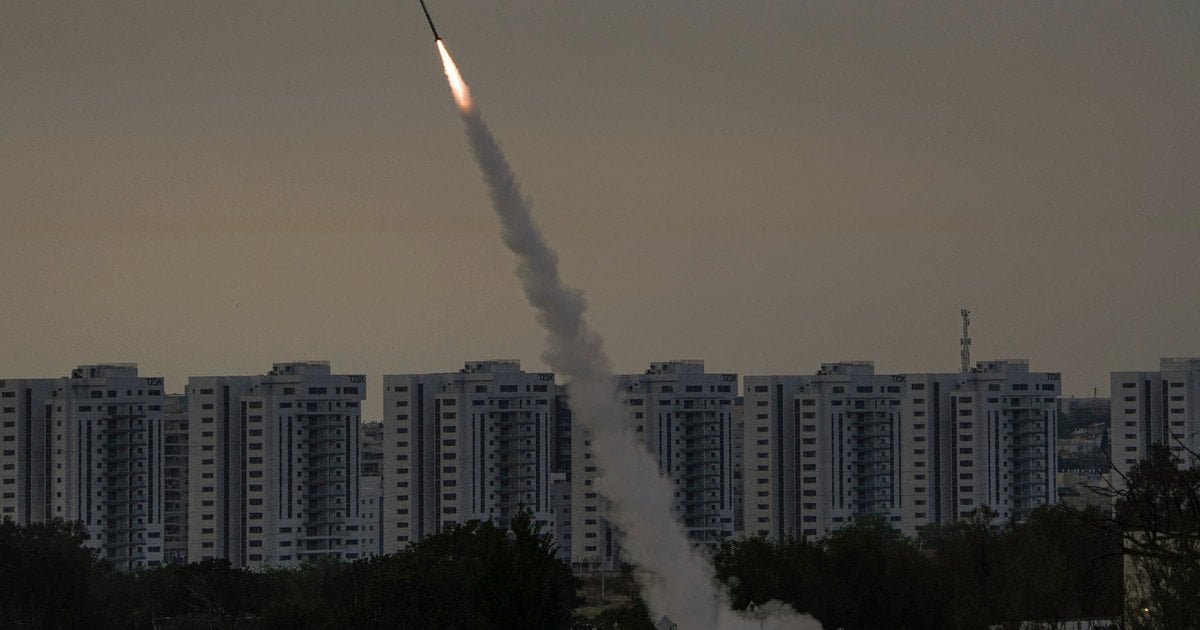
Missile / © Associated Press
Russia has recently reduced the frequency of missile strikes against Ukraine; however, this trend does not necessarily indicate a drop in arms production.
This assessment was shared by aviation expert and leading researcher at the National Aviation University, Valerii Romanenko, during an interview with Radio NV.
According to Romanenko, the intensity of strikes has demonstrably declined. As of mid-month, Russia has deployed only 13 ballistic and 25 cruise missiles—a significant decrease compared to previous periods.
"This is a record low. For comparison, 39 Iskander missiles were launched in March, and 115 in February. Currently, missile strikes are far less frequent," the expert said.
Despite the lull, Romanenko remains skeptical that Russia has substantially cut production. Instead, he suggests the pause is likely due to supply chain disruptions for specific components or a deliberate accumulation of munitions. He noted that international restrictions on the supply of microelectronics could be impacting the production cycles of the Russian defense industrial base.
The expert also highlighted evolving drone threats. While the production of "Shahed"-type loitering munitions is increasing gradually, Russia is shifting its deployment tactics.
"Previously, decoy targets accounted for half of the launches; now, approximately two-thirds are strike-capable drones," he explained.
Furthermore, Russian forces are modernizing their UAV fleet by integrating turbojet engines. These new modifications can reach speeds of 400–450 km/h, significantly complicating interception efforts. As a result, Ukrainian air defense units are forced to expend surface-to-air missiles more frequently to neutralize these high-speed targets.
Romanenko concluded that the current decrease in missile activity remains ambiguous: Russia may be grappling with internal production hurdles or, more likely, stockpiling resources for a future large-scale offensive.