
The night attack on Ukraine: an expert explained why almost half of the Russian drones were not shot down
A military-political analyst Oleksandr Kovalenko commented on the massive Russian UAV attack on Ukraine and explained why a little over half of them were successfully shot down.
 Follow us on Google
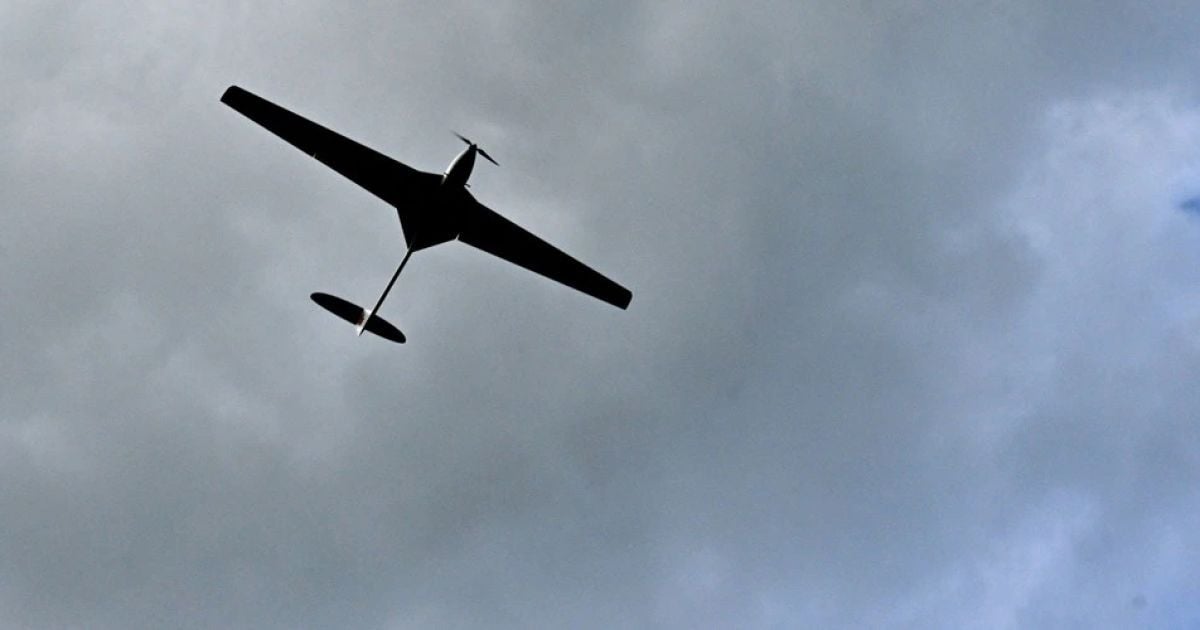
Drone / Photo: gettyimages.com
On the night of November 3, the Russian occupiers used 40 Iranian kamikaze drones against Ukraine, of which 24 were successfully shot down. This was just over half of those launched.
Oleksandr Kovalenko, the military-political analyst of the "Information Resistance" group, told about the most massive attack in recent times.
This is the first time Russia has attacked Ukraine with such a quantity of “Shahed-131/136” drones since September 30 when they launched them from Cape Chauda. 30 kamikaze drones were shot down at that time, primarily in the area of Mykolaiv and Odesa regions.
During this night, the main launch location was Primorsk-Akhtarsk, and the flight routes of the drones were different from those in previous attacks. This, in part, was the reason for the low hit rate of the “Shahed-131/136”, the expert believes.
"Taking into account the fact that this is the most massive airstrike on the territory of Ukraine in almost a month, I still do not think that it is part of the systematic strikes planned in such a large number for November. It is rather a probing of new routes and testing their effectiveness", - Kovalenko beleives.
According to him, the Russian effectiveness this time turned out to be higher than in previous attacks, which may be due to the choice of areas that were insufficiently prepared to repel the drone attacks. This, the expert says, once again raises the issue of creating a security buffer and the large-scale supply of air defense systems to Ukraine.
"The danger of “Shahed-131/136” drones now lies not only in their quantity but also in the fact that they regularly change their routes, sometimes catching certain areas by surprise, and the inability to effectively intercept aerial threats," Kovalenko explained.
Read also: