Kakhovka HPP blown up three years ago: What unique Great Meadow looks like now
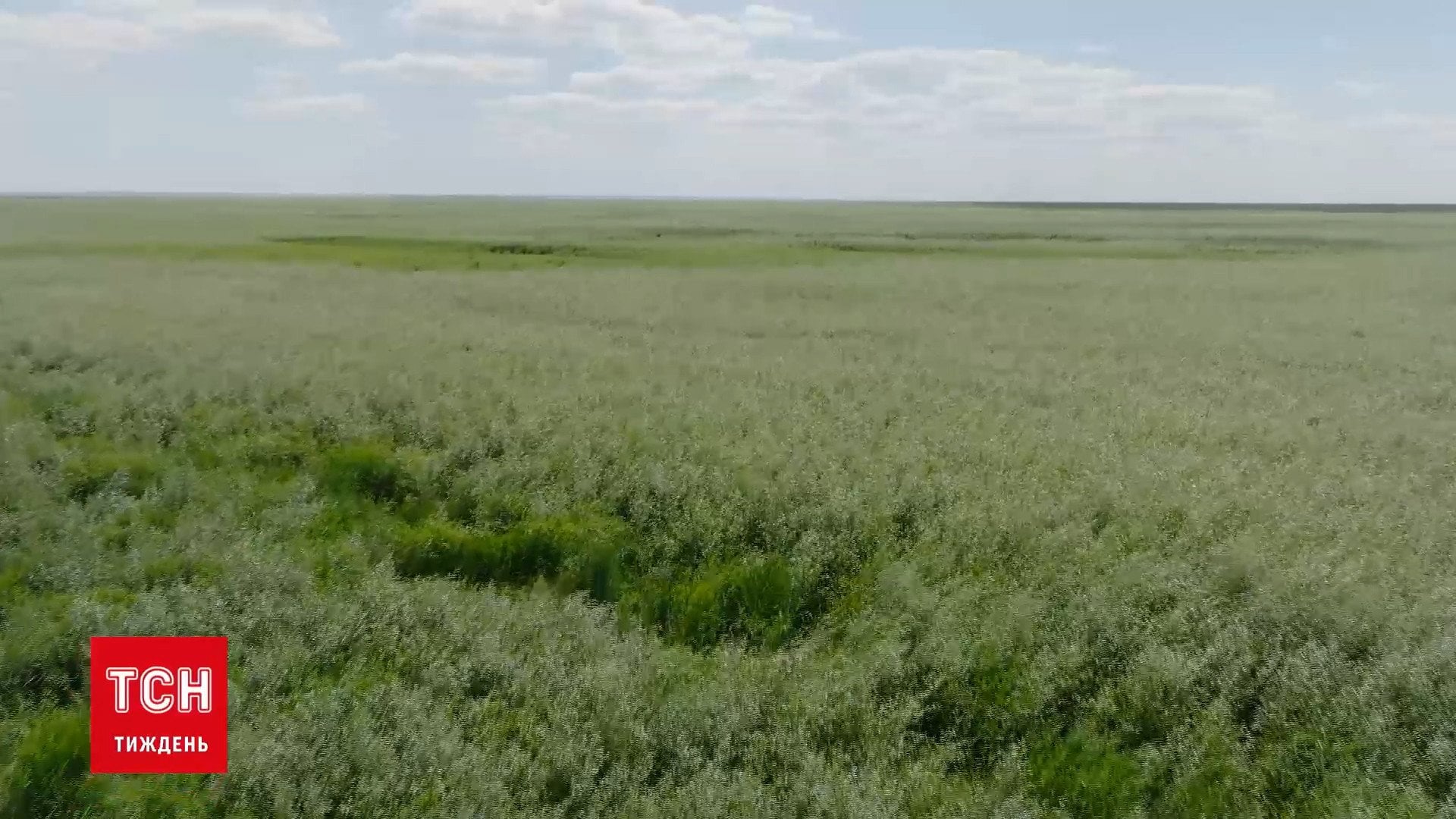
The former bed of the Kakhovka Reservoir has transformed into a giant forest: 9-meter-tall trees, wildlife, and the astonishing singing of hundreds of nightingales echoing alongside the hum of frontline drones.

 Follow us on Google
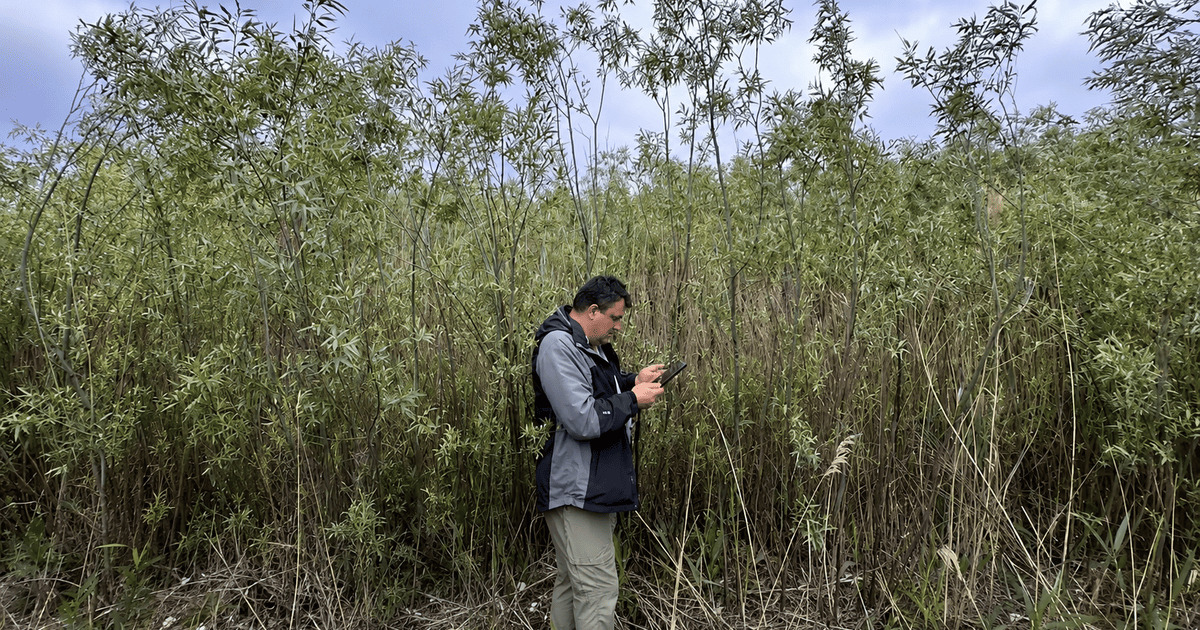
Despite the risk of enemy drones, Ukrainian scientists made it to the bottom of the Kakhovka Reservoir and documented a miracle. / © TSN
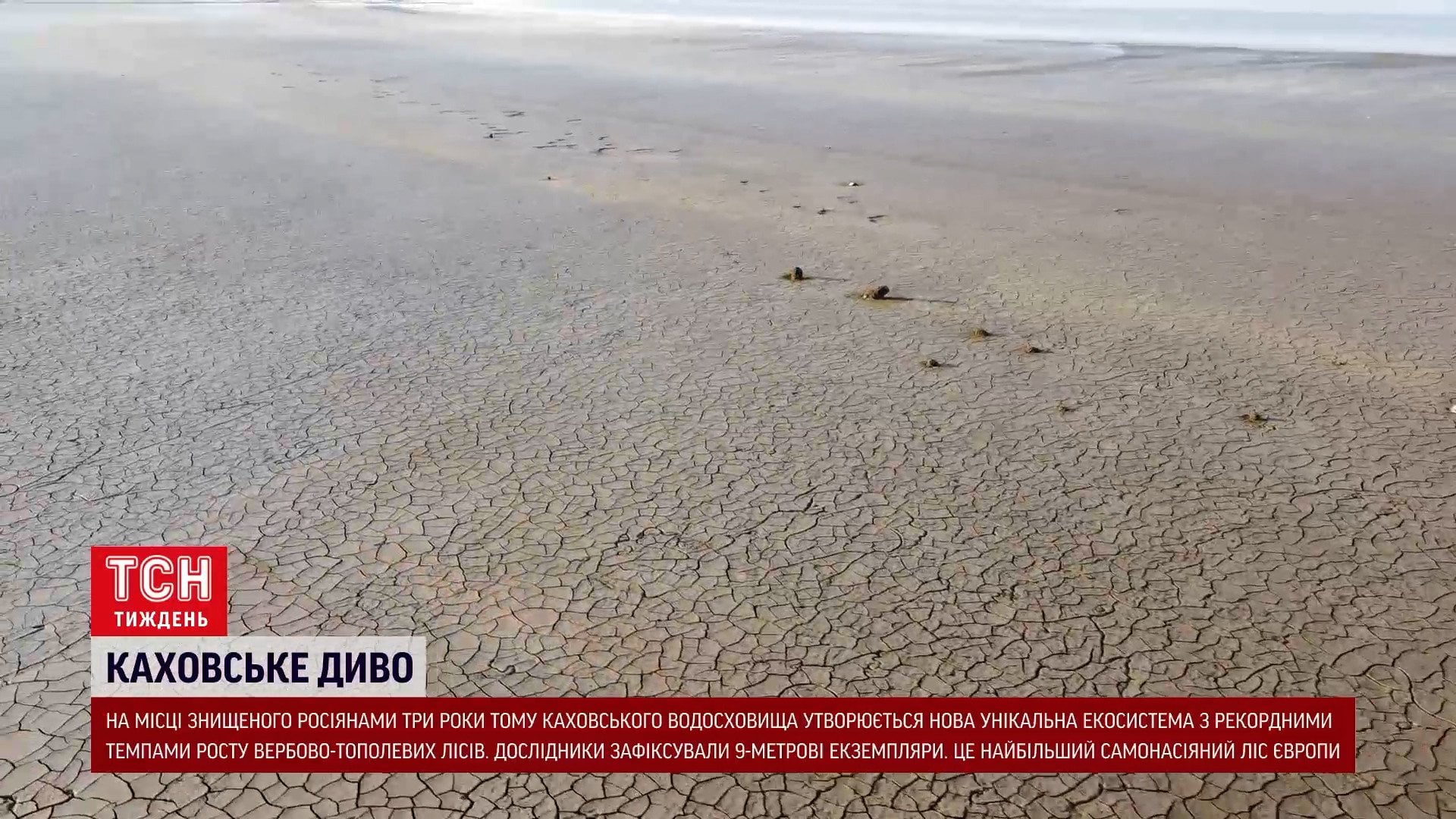
The bottom of the Kakhovka Reservoir has now become the Kakhovka Forest. Exactly three years have passed since the Russians blew up the Kakhovka Hydroelectric Power Plant, committing one of the planet’s largest ecocides. Yet, a miracle occurred.
This is the focus of a report by TSN.Tyzhden.
We have been closely monitoring the events on these devastated lands throughout these years, largely thanks to our courageous scientists from the Ukrainian Nature Conservation Group. From the very first days following the dam’s destruction, despite the risk of becoming targets for Russian drones, they have traveled there several times a year to document and record every change.
Directly at the site of the disaster, and despite the tragic consequences for all living things, they now witness an emerald sea.
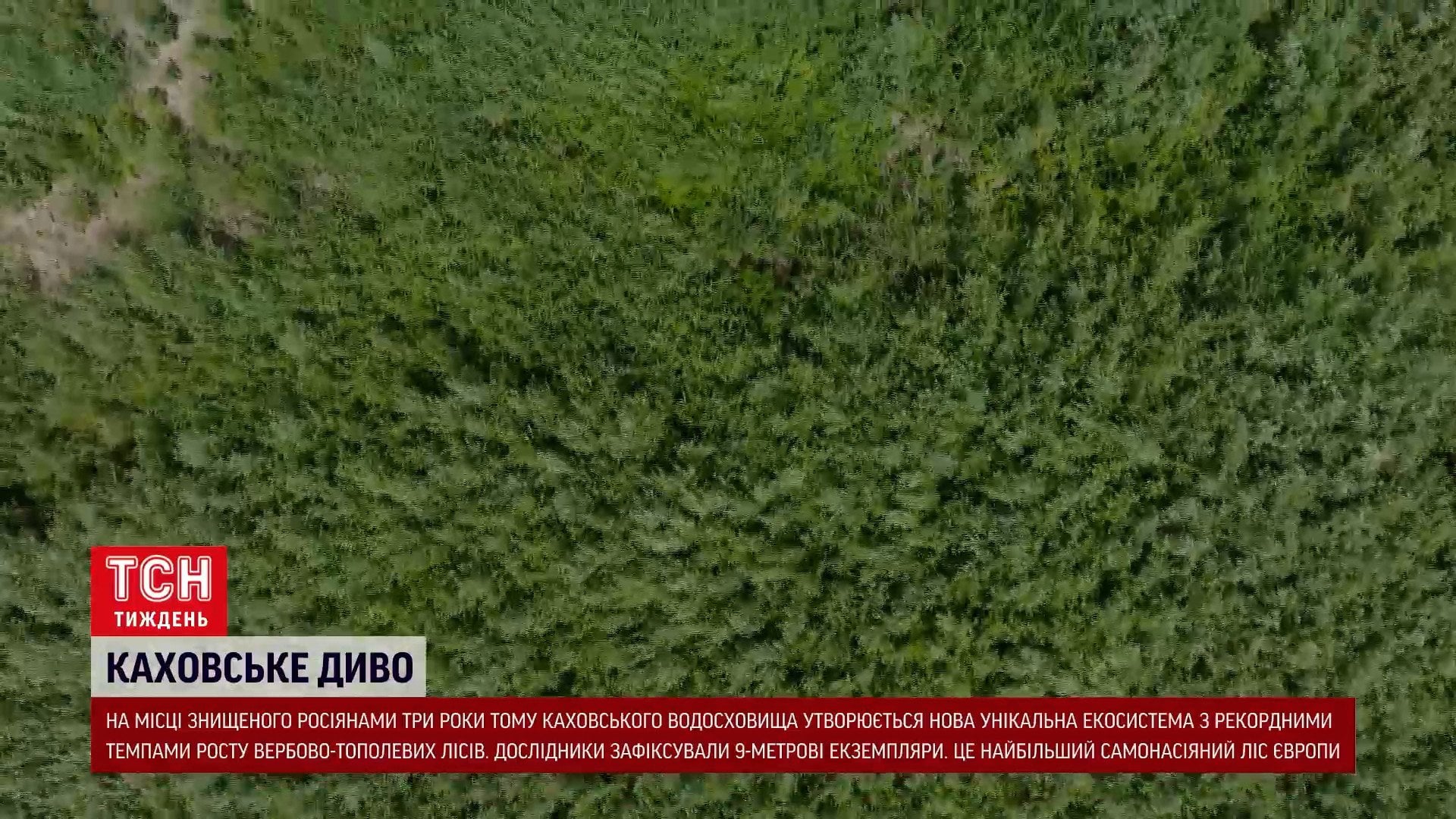
In the autumn of 2023, the cracked reservoir bed offered ideal weather conditions for small saplings to grow. By the summer of 2024, willows and poplars had already shot up to two meters in height. The following year, in 2025, our scientists discovered a true floodplain forest with trees reaching up to seven meters.
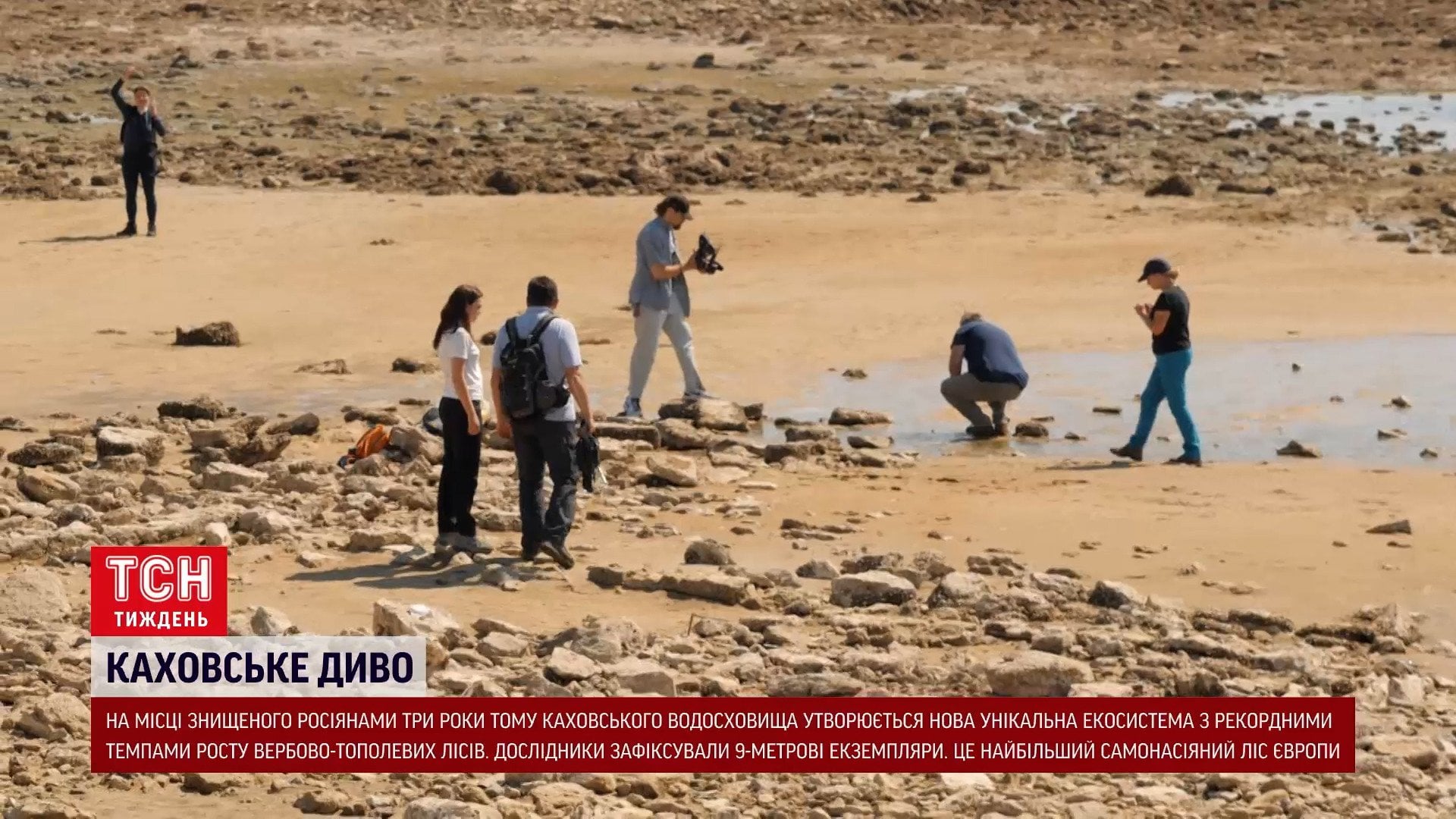
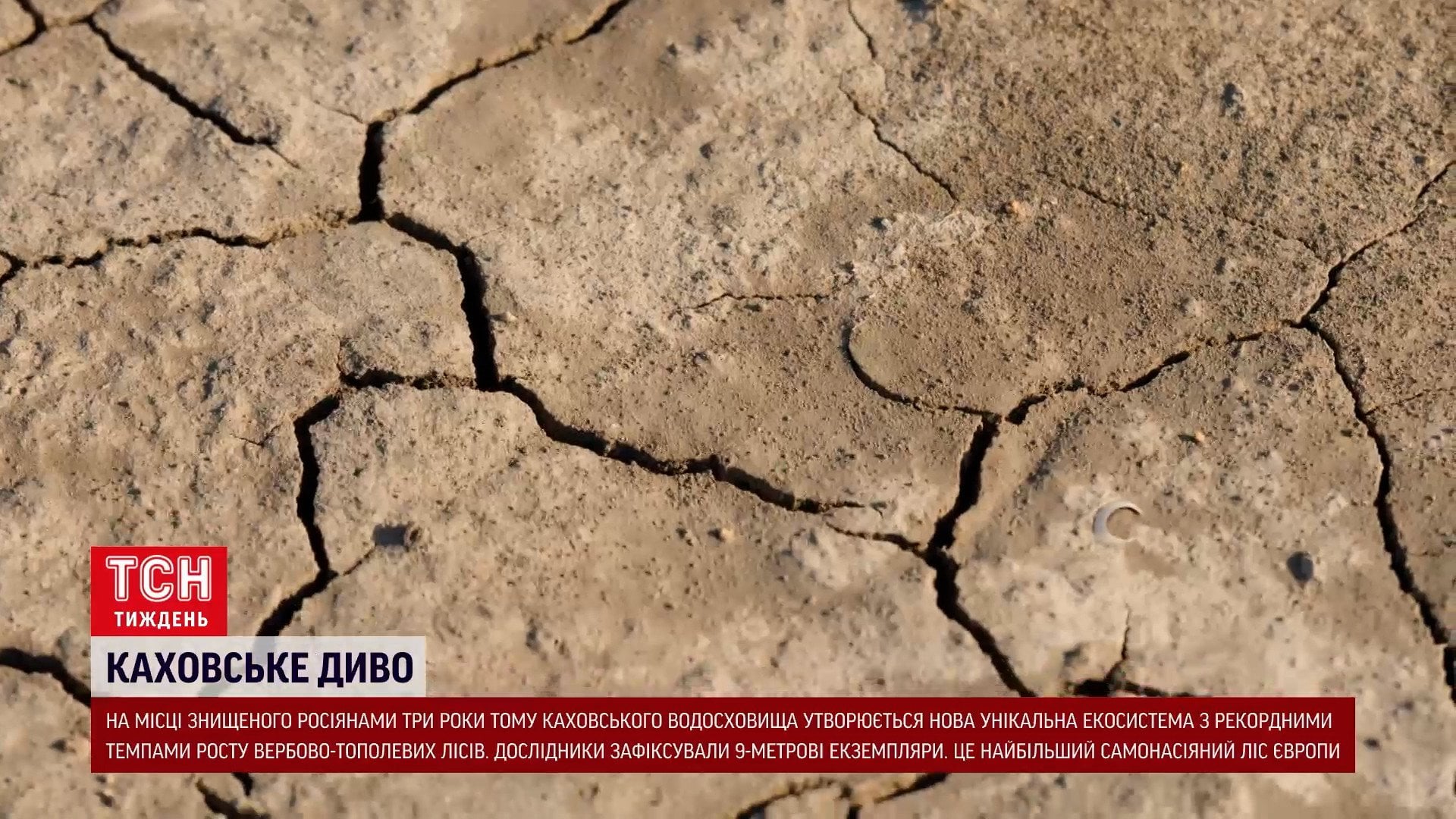
The revival of nature remains unstoppable. The scientists returned from their latest expedition just a few weeks ago and reported that while forest growth has slowed down slightly, the tallest specimens have already reached nine meters.
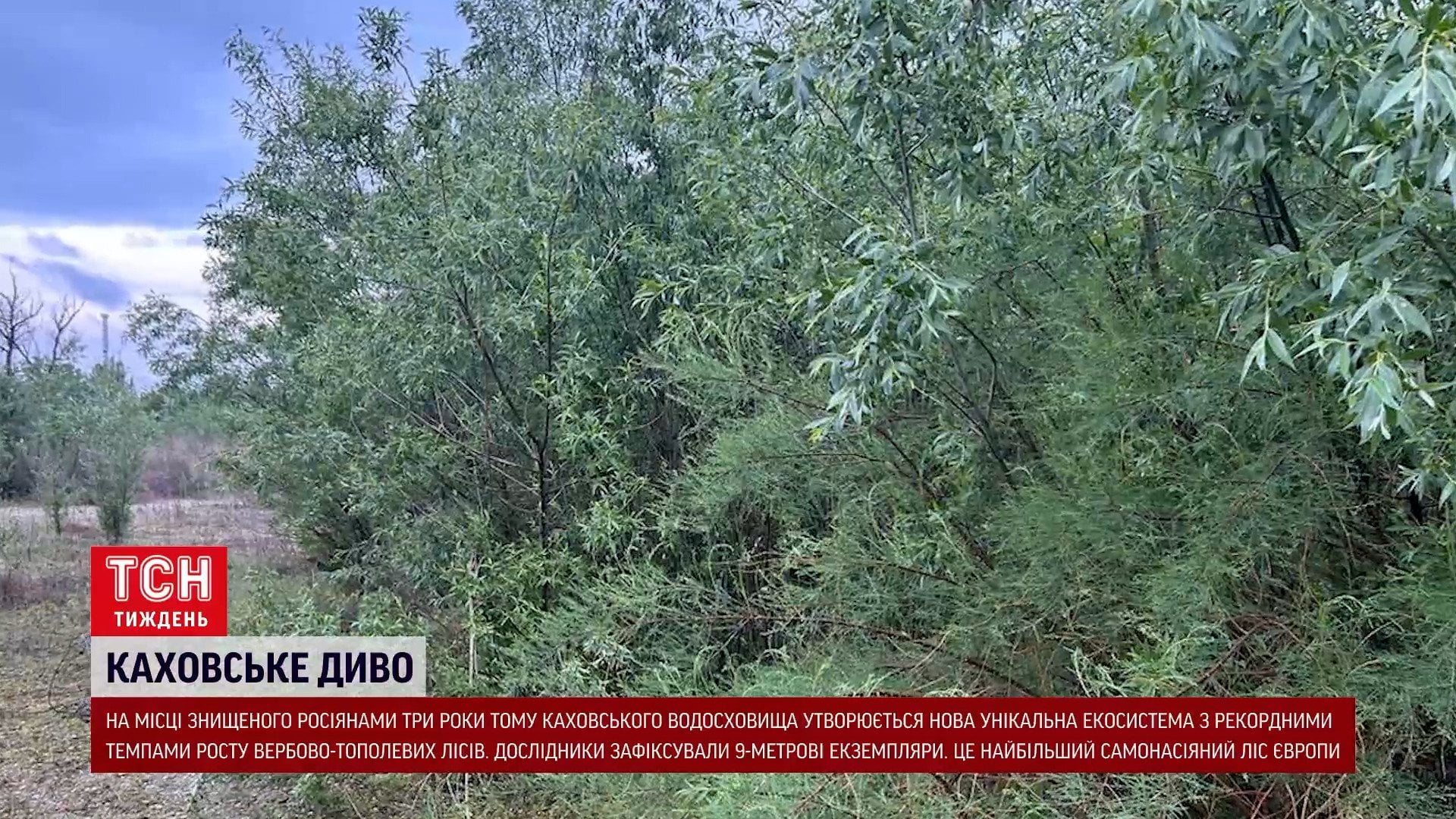
A new ecosystem is forming there, complete with insects, wild boars, and roe deer. They even spotted ferrets! Meanwhile, the sounds recorded by our researchers capture a stark reality: a blend of hundreds of nightingales singing and the distant hum of drones.
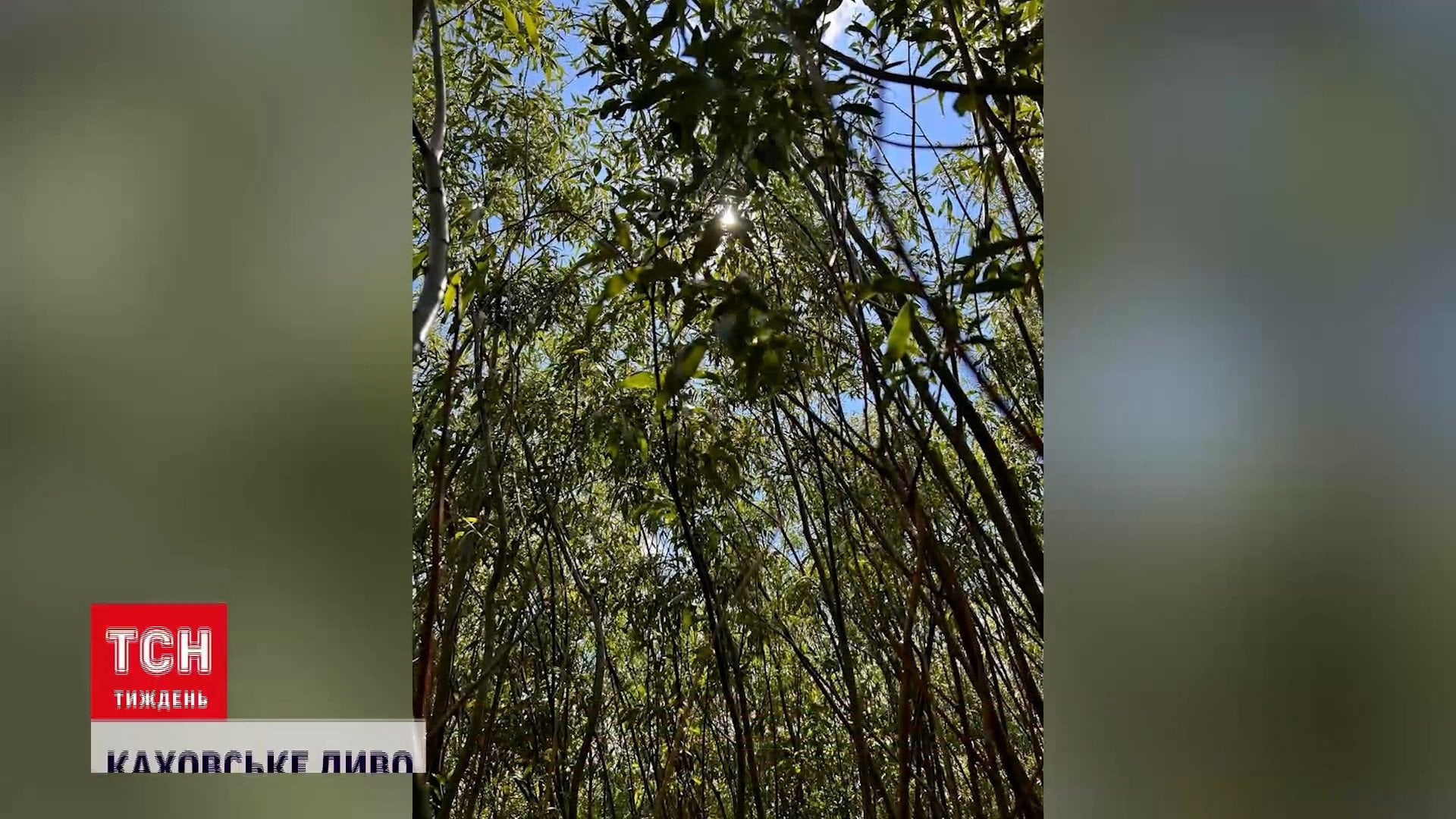
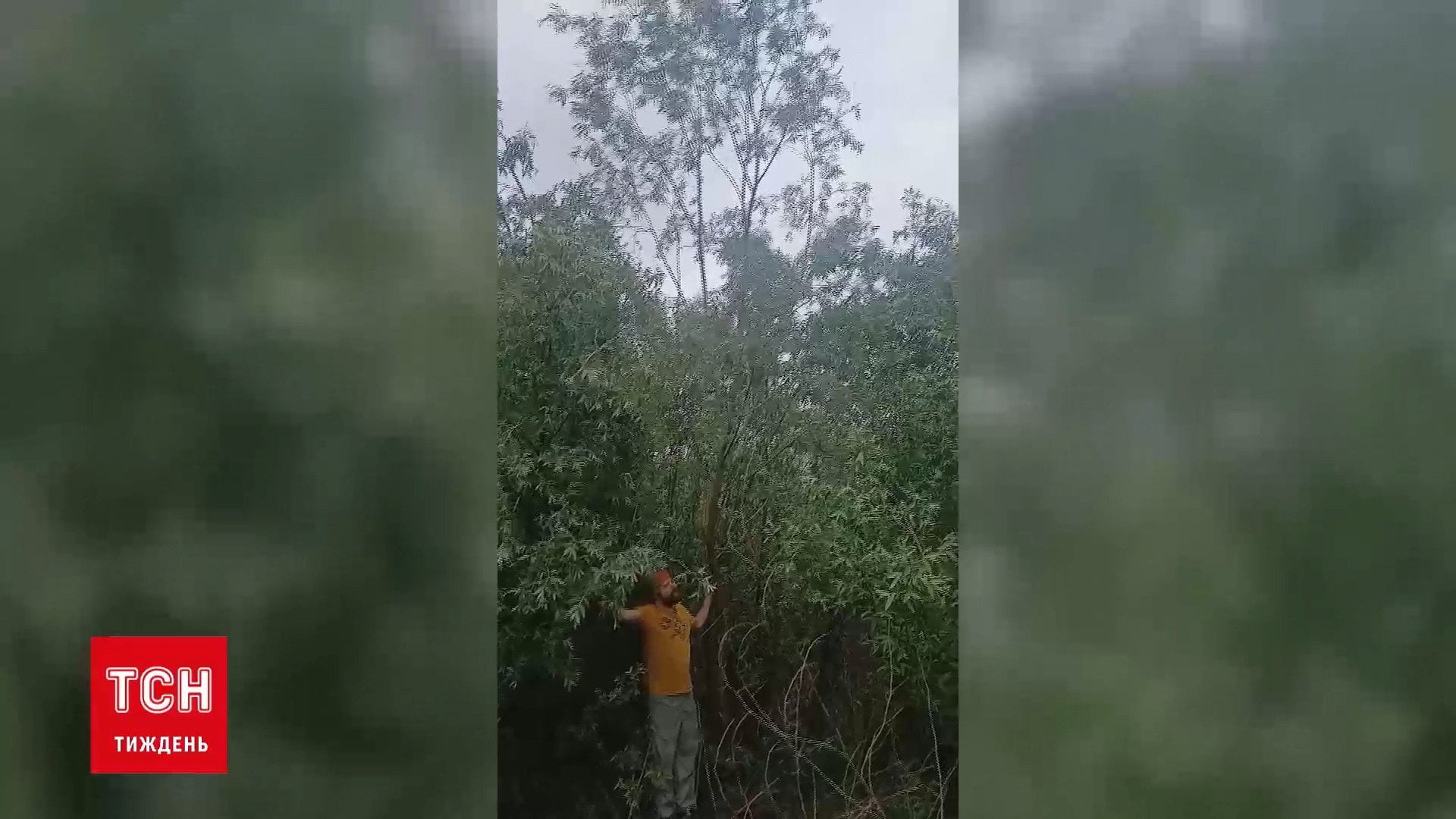
«When it’s one nightingale, or when it’s two, it’s beautiful. But when there are hundreds, it is simply breathtaking. Our ornithologist colleagues identified two species of nightingales here: the thrush nightingale and the common nightingale. It is deeply symbolic that they met right there, on this incredibly rich land,» says Anna Kuzemko, Doctor of Biological Sciences, leading researcher at the M.G. Kholodny Institute of Botany of the National Academy of Sciences of Ukraine, and co-founder of the Ukrainian Nature Conservation Group.
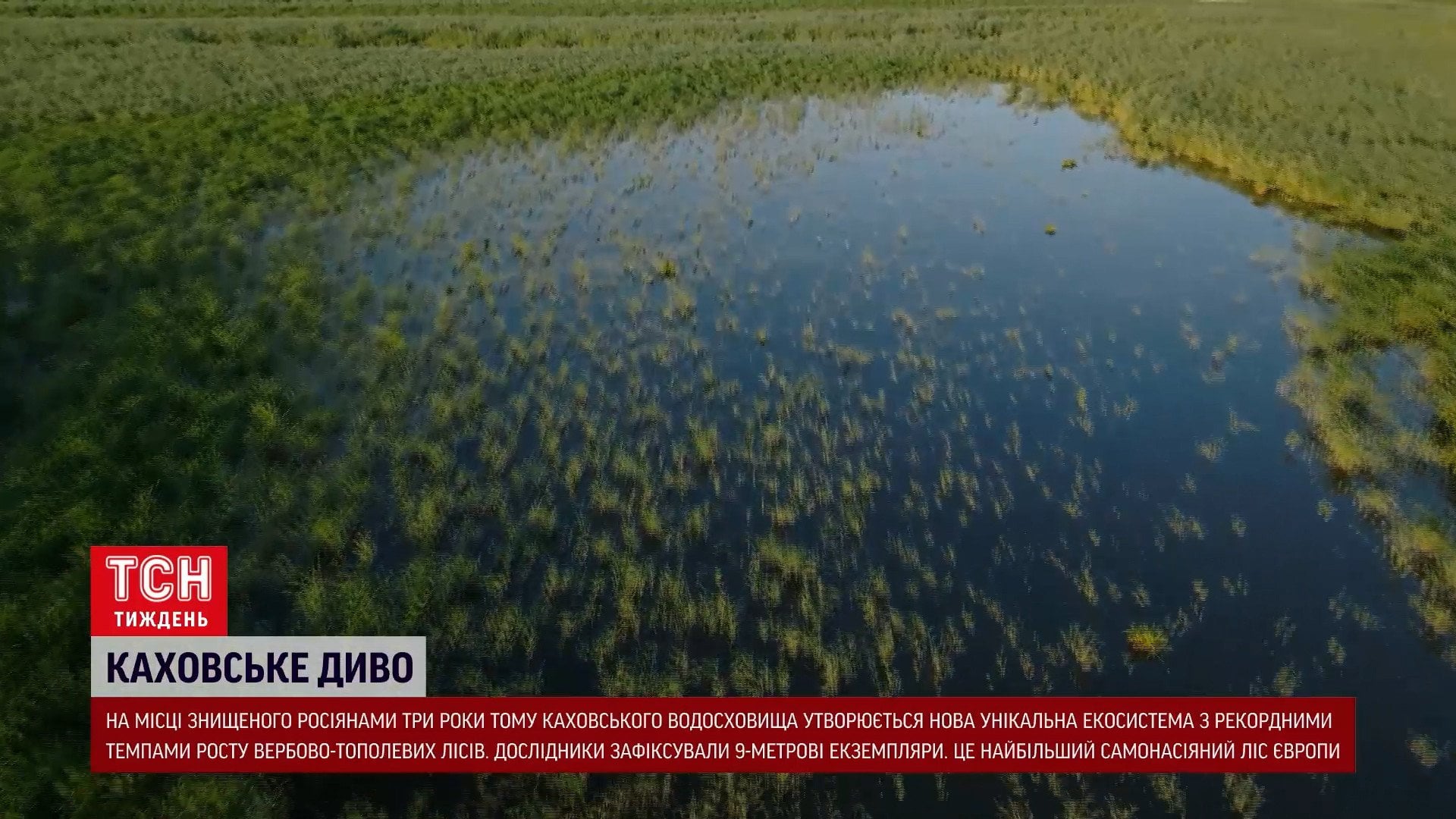
Additional drone footage capturing birds flying into the sunset over Europe’s largest self-seeded forest offers a powerful sense of hope. It serves as proof that our land possesses an incredible capacity to regenerate, even after catastrophic devastation.
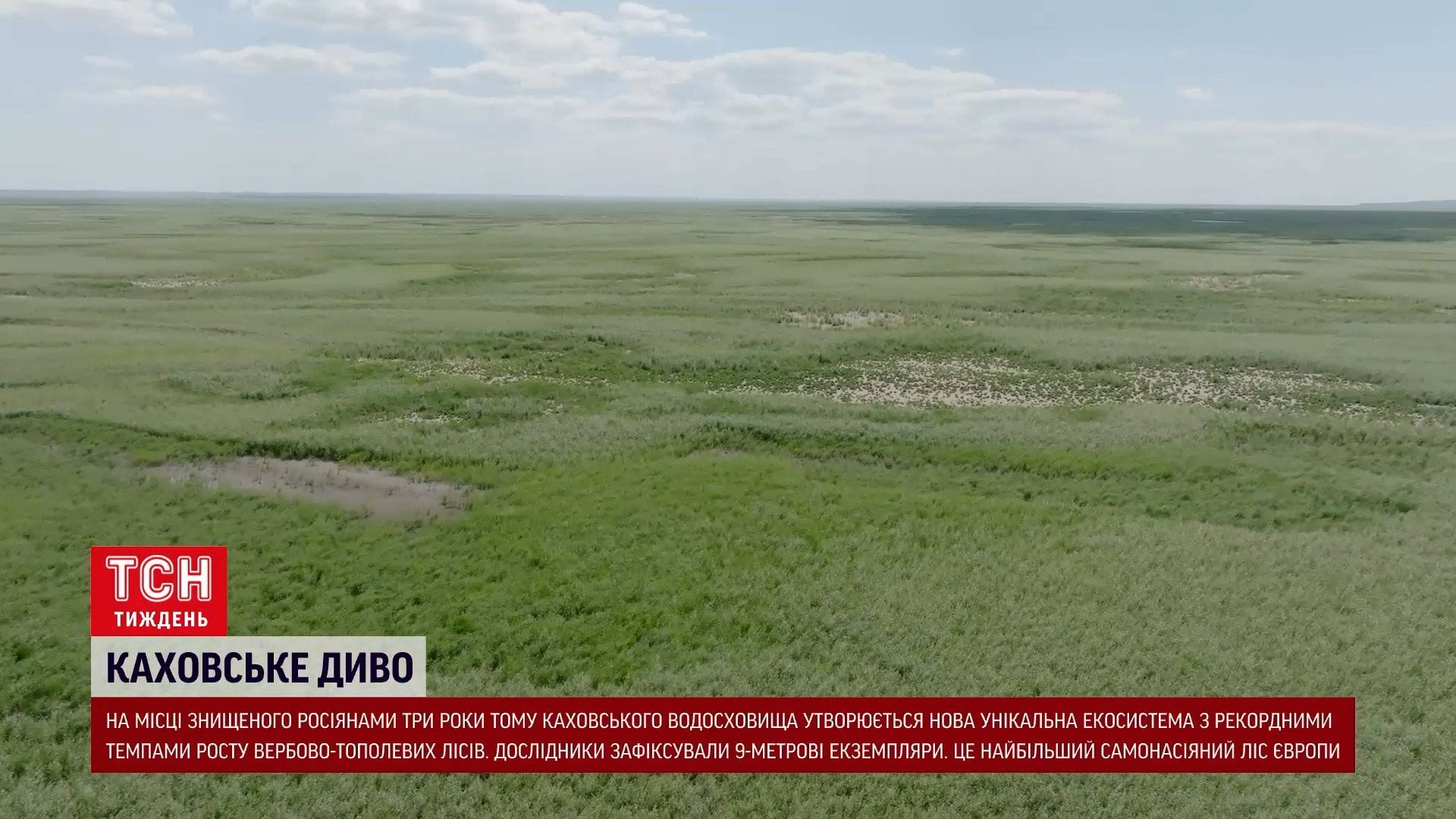
Currently, access to these lands remains restricted. Our soldiers guard the entire right bank due to the high risk of Russian sabotage and reconnaissance groups attempting to cross.