
War and attacks in Ukraine escalate to a new level: Expert warns of new threats
Attacks on Ukraine may significantly change — analyst shares details.

 Follow us on Google
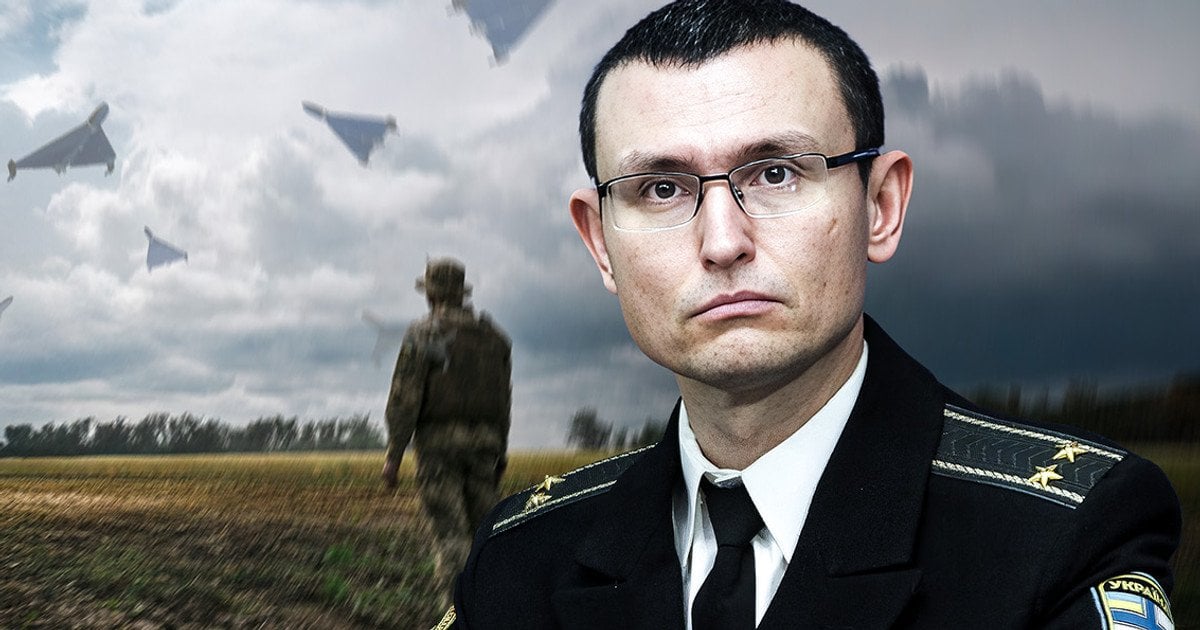
Military analyst Vladyslav Seleznyov outlines scenarios of new threats from Russia
Following one of the most massive attacks in recent times on Odesa and Kyiv on the night of June 10, the Russian army demonstrated a new, even more dangerous tactic of missile-drone strikes, which are likely to continue. Former General Staff spokesman Vladyslav Seleznyov said this in a comment to TSN.ua. However, he believes there are ways to counter this.
“I believe that lately, the Russian army has been using a tactic of wave-like attacks. On some days, they reduce the intensity of drone use while continuing to produce and stockpile them. Then they deploy them to the maximum (200, 300, or more — Ed.),” says Vladyslav Seleznyov.
He continues: “Moreover, the Russian army’s tactics have somewhat changed. The Russians are no longer targeting a large number of objects across Ukraine but are focusing on two or three populated areas, which they heavily strike. Recall that a few days ago, Rivne and Ternopil regions were under attack; today, it’s Odesa and Kyiv. Where the strike will be directed tomorrow is unknown.”
The expert also cites data recently announced by the military: “It’s clear that Russia has the resources for combined missile-drone attacks. According to Ukrainian intelligence, Russia has about 500 ballistic missiles. Additionally, they have a full production cycle for both cruise and ballistic missiles, as well as "Shahed" drones.”
New threat
According to Seleznyov, the recent statement by intelligence chief Kyrylo Budanov that Russia will negotiate with North Korea to produce "Shahed" drones is a serious challenge.
“Kim Jong Un has plenty of human resources and production capabilities. I think Shahed drones will be manufactured in North Korea, and Russia will pay for them with gold. This could significantly increase drone production volumes. Additionally, guest workers from North Korea may head to Russia, possibly armed,” the military analyst predicts.
Seleznyov firmly believes there is no reason to consider the latest attack as retaliation by Russia for destroyed Russian bombers.
“Putin started a full-scale war back in February 2022. What kind of retaliation can we talk about when missiles and drones are constantly flying at our territories?” Seleznyov says.
In his view, the most effective way to counter Russian attacks in the current conditions is to destroy their production facilities.
“I think it’s no coincidence that our Defense Forces are now striking Russian defense industry facilities to maximally destroy Russia’s resources. If there are no necessary components, even for Shahed drones, that’s good for us,” the expert says.
He further explains: “Can we protect ourselves? Creating additional mobile fire groups is challenging. Relying solely on mobile groups, we won’t withstand this onslaught, especially if Russia manages to scale up drone production. We simply lack air defense systems — not only high-end systems like SAMP/T or Patriot but also medium- and short-range systems.”
Regarding whether the situation will change in the near future, the expert says: “I don’t think so. Our best option is to keep striking Russian enterprises to prevent Russia from actively producing "Shahed" drones and decoy drones.”
According to Seleznyov, destroying defense enterprises in the European part of Russia is an excellent opportunity for Ukraine to deplete the occupiers’ resources.