
«It would be a total blackout»: analyst identifies vulnerable sites in Gulf if Iran strikes
Iran has threatened to target the energy infrastructure of neighbouring countries in response to an ultimatum from U.S. President Donald Trump.

 Follow us on Google
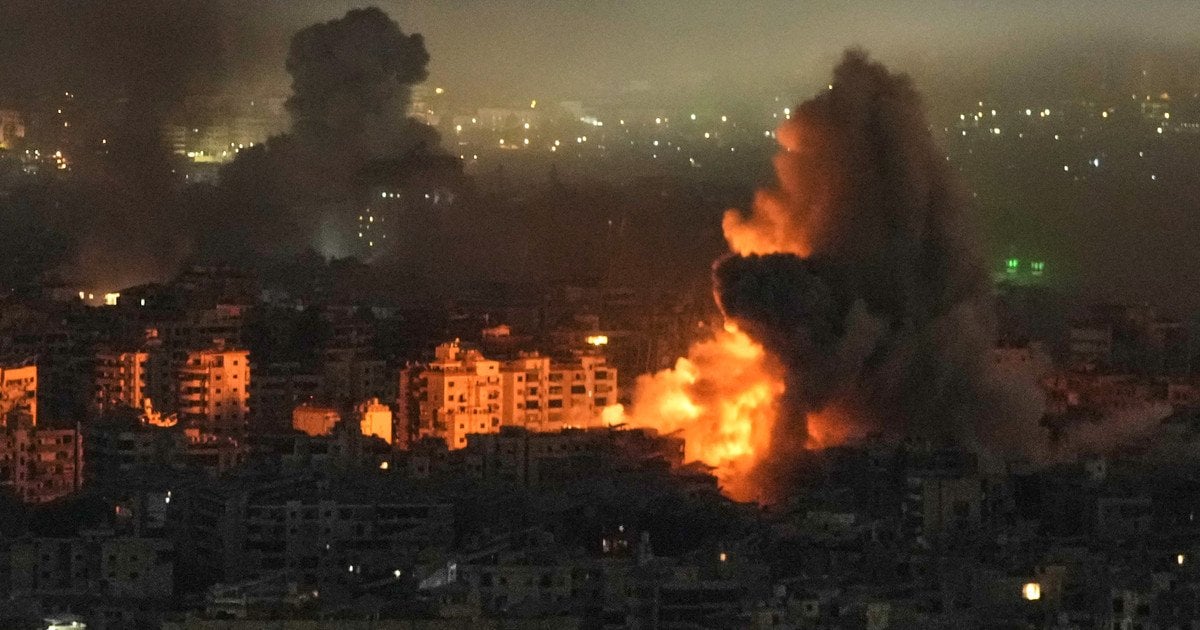
Iran / © Associated Press
In response to Trump’s warning that the United States could cut off Iran’s electricity supply, Tehran has threatened to strike critical infrastructure in Gulf states. Analyst Viktor Taran pointed to potential vulnerabilities, saying their destruction could trigger a crisis of enormous scale with global consequences.
Taran wrote about this on Facebook.
Trump has given Iran 48 hours to unblock the Strait of Hormuz, warning that otherwise the United States could destroy Iranian power plants and other critical infrastructure, Taran said.
In response, Iran has threatened to target key infrastructure sites in Gulf countries, including:
Saudi Arabia:
- Al-Qurayyah power plant: more than 4,000 MW, a key supply hub for eastern provinces;
- Ras Tanura refinery and power facilities: a strategic oil and gas hub.
United Arab Emirates:
- Barakah nuclear power plant (Abu Dhabi): 5,600 MW, where damage to the grid or generation facilities would critically affect the energy system;
- Jebel Ali power and desalination complex (Dubai): a vital facility supplying fresh water and electricity;
- Mohammed bin Rashid Al Maktoum Solar Park: the region’s largest renewable energy site.
Qatar:
- Ras Laffan power plant: the backbone of gas-fired generation;
- Umm Al Houl power plant: a combined energy and desalination facility south of Doha.
Kuwait:
- Al-Zour South: oil- and gas-fired power plant;
- Al-Zour North: combined-cycle power station;
- Shagaya renewable energy park: the country’s largest solar and wind cluster.
“Given what remains of Iran’s missile programme, I do not strongly believe in this scenario. But if it were to happen, it would cause a total blackout and halt desalination plants across the region. The consequences would be catastrophic,” Taran wrote.
He added that the destruction of energy and desalination systems would lead to a humanitarian crisis due to shortages of water and electricity in Gulf countries. The conflict could escalate into a broader regional war, with the risk of blocking the Strait of Hormuz.
At the same time, he said, large-scale attacks on critical infrastructure across multiple domains could intensify the destruction.
“Global markets, logistics and financial centers would be hit hard, triggering chain reactions. The world would continue moving towards global instability, with long-term consequences for security, the economy and international relations,” he said.