
“Protection of Russian Speakers” scenario: Countries Russia may target for invasion in 2026
“Protection of Russian Speakers” is again cited as a pretext for aggression, with experts reporting suspicious activity in the Baltic countries.
 Follow us on Google
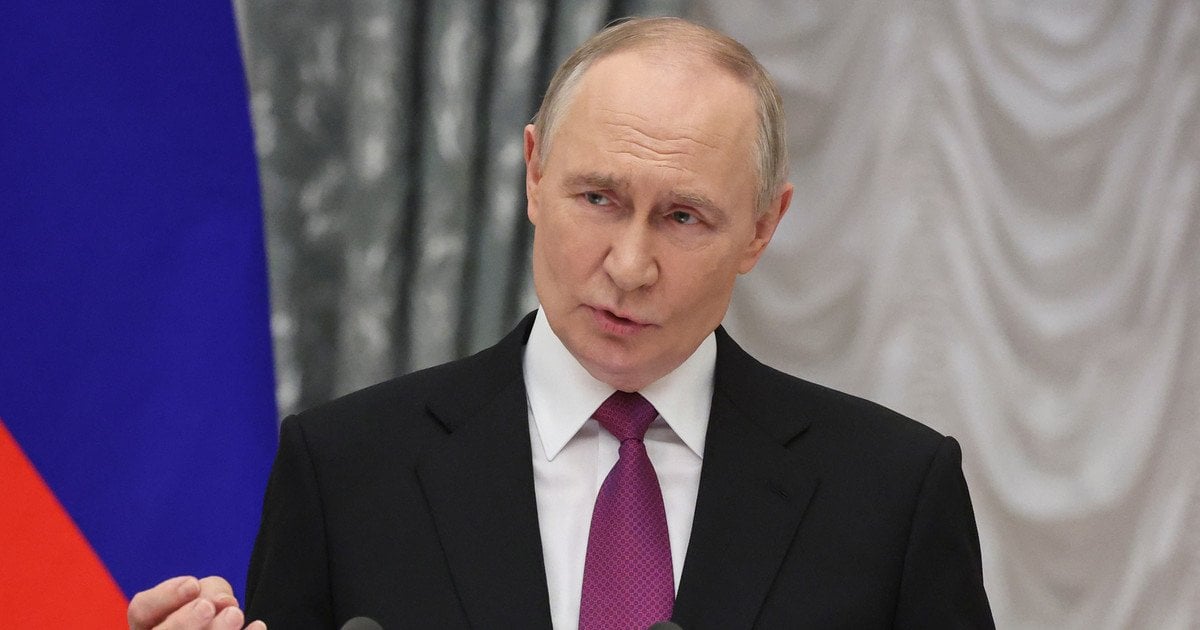
Vladimir Putin / © Associated Press
The Baltic states are boosting security measures in anticipation of heightened Russian aggression next year. Lithuania has started preparing for the possible demolition of bridges on the border with Russia as a preventive step in case of an invasion. Analysts say the region could be the first to face new provocations from Moscow.
This view was expressed by Oleh Rybachuk, Head of the NGO “Centre of United Actions” and former Ukrainian Deputy Prime Minister for European Integration (2005), in an interview with 24 Kanal.
He suggests that Russia’s war against NATO will most likely take a hybrid form. The Kremlin continues to test the Alliance’s resilience but will avoid a direct confrontation in the initial stages.
“This is not about full-scale actions involving tanks and aircraft, but rather about hybrid warfare methods that Russia has already exercised — from cyberattacks to civil unrest,” Rybachuk said.
He said provocations on the European battlefield will increase. This will be a true test of Europe’s readiness to apply NATO’s Article 5 (collective defense) and a check on the United States’ determination as the main ally.
Playing the “Russian-Speakers” card
Particular concern is raised by the activation of pro-Russian sentiments within the Baltic countries. Experts note attempts by the Kremlin to replicate the “protection of oppressed Russian-speaking population” scenario that preceded the invasion of Ukraine.
“One Lithuanian analyst already said that activity is off the charts — Russian-speaking citizens are protesting, gathering at rallies, and demonstrating in every possible way that ‘their rights are unprotected,’” Rybachuk emphasized.
Internal destabilization could serve as a pretext for the deployment of “peacekeepers” or hybrid Russian forces.
Moscow is also seeking to raise the stakes on the global stage. Kremlin statements about a willingness to support China in the event of a conflict over Taiwan, along with information claims about alleged “attacks” on president Putin’s residence, point to efforts to pressure the United States ahead of possible talks.
Against this backdrop, Lithuania and other Baltic states are becoming hostages to Russia’s imperial ambitions, prompting them to prepare for the most radical measures, including the physical destruction of border infrastructure.