
Putin threatened Europe before talks with Kushner and Witkoff: Motives explained
Moscow is ramping up tensions ahead of talks with U.S. business figures. Could decisions be made without Ukraine and the European Union?
 Follow us on Google
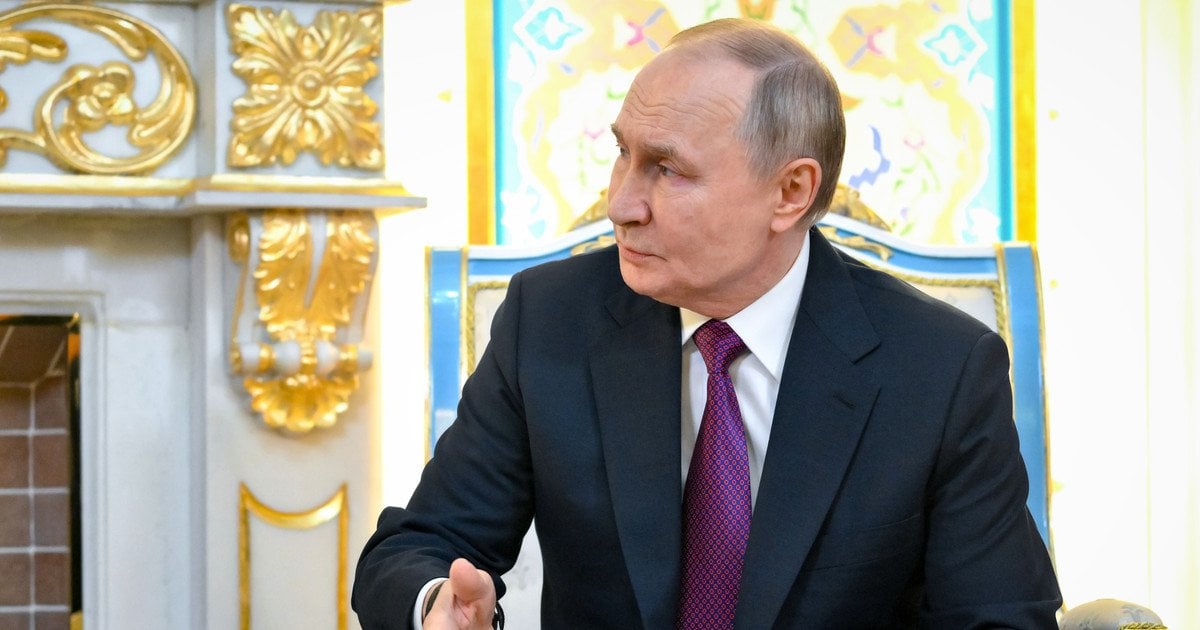
Putin / © Associated Press
On December 2, Russian dictator Vladimir Putin met in Moscow with Steve Witkoff and Jared Kushner. Ahead of the talks, he publicly threatened Europe, warning that if a “war against Russia” begins, the Kremlin would take action.
Political analyst Ihor Chalenko, Head of the Center for Analysis and Strategies, told 24 Kanal what these statements really mean and how talks with U.S. emissaries might develop.
He pointed out that the Kremlin’s approach is aimed at discrediting earlier agreements made in Geneva and Florida. Putin seeks to fully reinstate the 28 points of the so-called “peace plan” that the U.S. supposedly proposed.
“The Kremlin aims to push Europe and Ukraine out of the peace process, leaving negotiations entirely in U.S. hands. Within this U.S.–Russia–China triangle, Putin hopes to secure approval for his territorial gains, including temporarily occupied Ukrainian territories,” the analyst said.
According to Chalenko, following the Kremlin meeting, Witkoff is expected to speak with President Zelenskyy to communicate Moscow’s stance on why previous agreements are considered “unacceptable.”
There is also a risk that the United States might simultaneously propose that Putin recognize parts of the occupied territories of Donbas and Crimea as de facto Russian. However, it is not yet clear whether this proposal will be raised during the talks.
Chalenko stresses that talks with U.S. representatives are currently coordinated and do not exclude Ukraine’s participation in future agreements. Nevertheless, there is a risk that the Kremlin may try to push decisions through without Kyiv and the European Union.
The analyst also stresses the importance of the American side refuting rumors about delays or blocks in weapons deliveries to Ukraine, as this is essential for preserving trust in the PURL program.