
Six months of preparation and new rules for refugees: CEC presents plan for post-war elections
Ukraine’s elections will not be held immediately after martial law ends. The Central Election Commission has proposed a mandatory transitional period and a legal ban on conducting voting in the territories of aggressor states.

 Follow us on Google
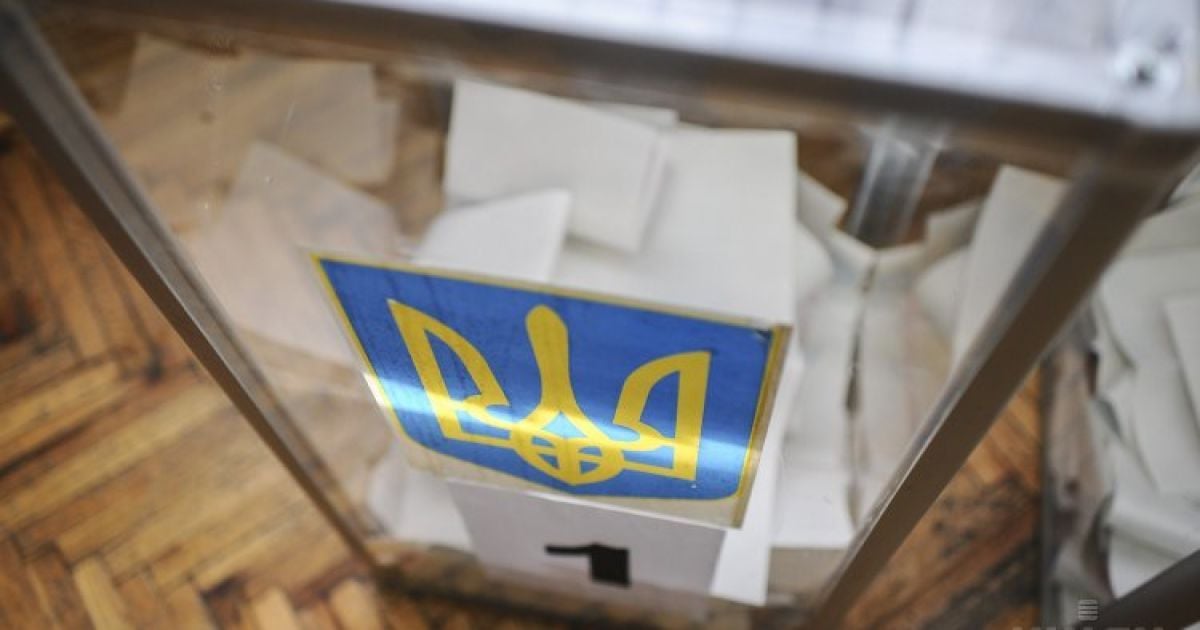
CEC provided recommendations on holding elections in Ukraine / © UNIAN
The Central Election Commission (CEC) has officially outlined its plan for how and when the country’s first post-war elections should take place. The proposals were presented by CEC Chair Oleh Didenko at a session of the parliamentary working group.
This was reported by the CEC press service.
The main change: a six-month buffer period
The most important initiative is the introduction of a six-month preparatory phase after the end of martial law.
In other words, the election process (campaigning, candidate nomination) will not begin immediately. The state requires these six months to:
auditing election infrastructure (whether polling stations, schools, and cultural centers survived);
restoring and updating the State Voter Register;
analysing the security situation in deoccupied territories.
Only after this will the standard election campaign start: 90 days for presidential elections or 60 days for parliamentary elections.
Voting abroad
The CEC proposes to enshrine in law that elections will not be organized or held in the territory of the Russian Federation or the Republic of Belarus.
Ukrainians in those countries will be able to vote only by travelling to neighbouring safe states.
For other countries where millions of Ukrainian refugees are located, the plan is to expand the network of polling stations, but this will require additional calculations and funding.
Voting for the military and internally displaced persons
Oleh Didenko announced further simplification of procedures:
changing the electoral address;
changing the voting location without changing the address.
This is critically important for internally displaced persons and servicemen who are not at their place of registration.
Currently, 23 bills related to various aspects of the upcoming elections have already been registered in the Verkhovna Rada. Olena Shuliak, chair of the Verkhovna Rada Committee on State Building, Local Governance, Regional Development and Urban Planning, says discussions are ongoing regarding the electoral threshold for parties and candidate requirements.