
Three days without power, water, communication: Reporter on life in Chernihiv region after Russian strike
Village life is at a standstill. Tetiana Nikolaienko describes the collapse of communication, water, and the threat to survival following the strike on Nizhyn.

 Follow us on Google
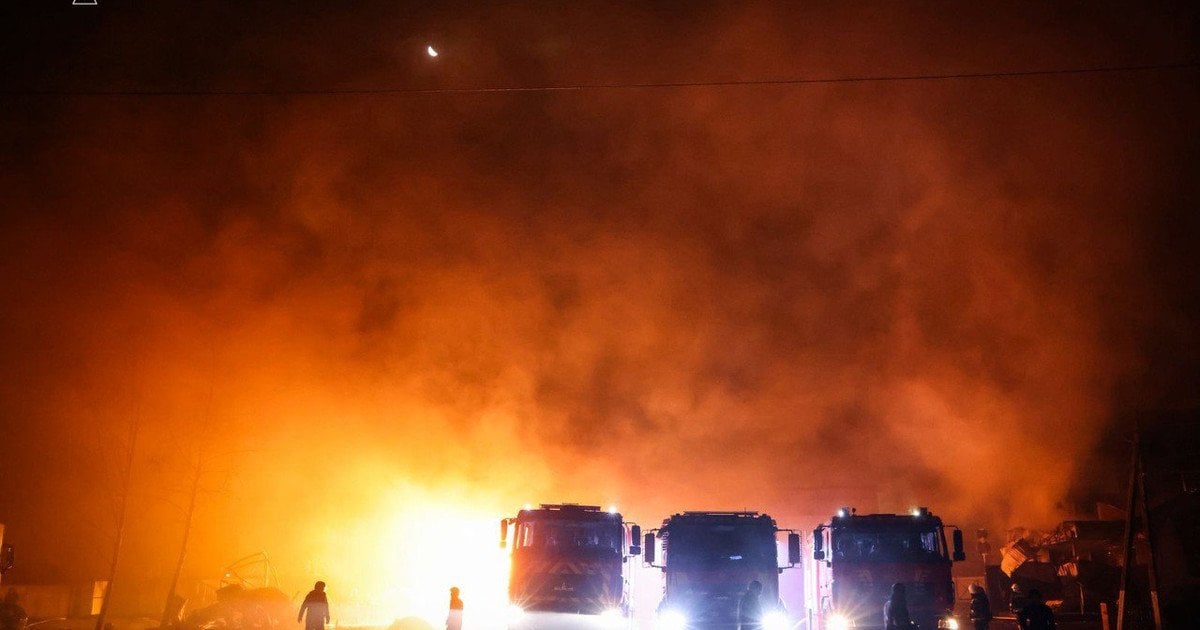
Attack on Nizhyn
Journalist Tetiana Nikolaienko highlighted a critical situation in Chernihiv villages, without power for three days after the attack on a Nizhyn energy facility. She stresses that life without electricity brings a complete collapse of basic survival conditions, not just spoiled food.
She made this emotional post on Facebook.
Collapse of basic services: No communication, no water
Nikolaienko busts the myth of “surviving with a wood stove,” highlighting how essential systems rely entirely on electricity.
- No communication: “No electricity, no communication,” the journalist writes. Mobile networks in the region were already weak, and towers damaged in spring 2022 remain unrepaired. Wi-Fi — the only way to connect — is down too due to the blackout. This poses a direct threat to life: “You can die without any chance to call an ambulance.”
- Water shortage: the most acute problem is water supply. Modern villages rely entirely on electric pump stations and individual wells, as traditional wells have long run dry. Without electricity, pumps do not work, and buying sufficient water for household needs, including livestock, is both impossible and expensive.
In her post, Nikolaienko sharply criticizes the Ministry of Energy, linking the current vulnerability of the region to failed decentralized generation projects.
The journalist says that Energy Minister Herman Halushchenko “screwed up the competitions for decentralized generation in Chernihiv region,” favoring unqualified but “compliant” contractors.
“Halushchenko failed the decentralized generation contests in Chernihiv… Only contractors, he could control, got money… ending up with four so-called palaces in Kozyn,” she said.
Nikolaienko points out that while some residents have generators, these are only partial and inconvenient solutions, requiring heavy physical effort (moving 60-kilogram devices) and being hard to repair.
The situation, described by the journalist, highlights the severe infrastructure vulnerability in frontline areas.