
Kremlin launches new mobilization: Whom Putin can send to the front
Moscow has officially permitted the deployment of reservists for combat operations beyond Russia’s borders, marking what amounts to a fresh mobilization drive that could involve up to two million people.

 Follow us on Google
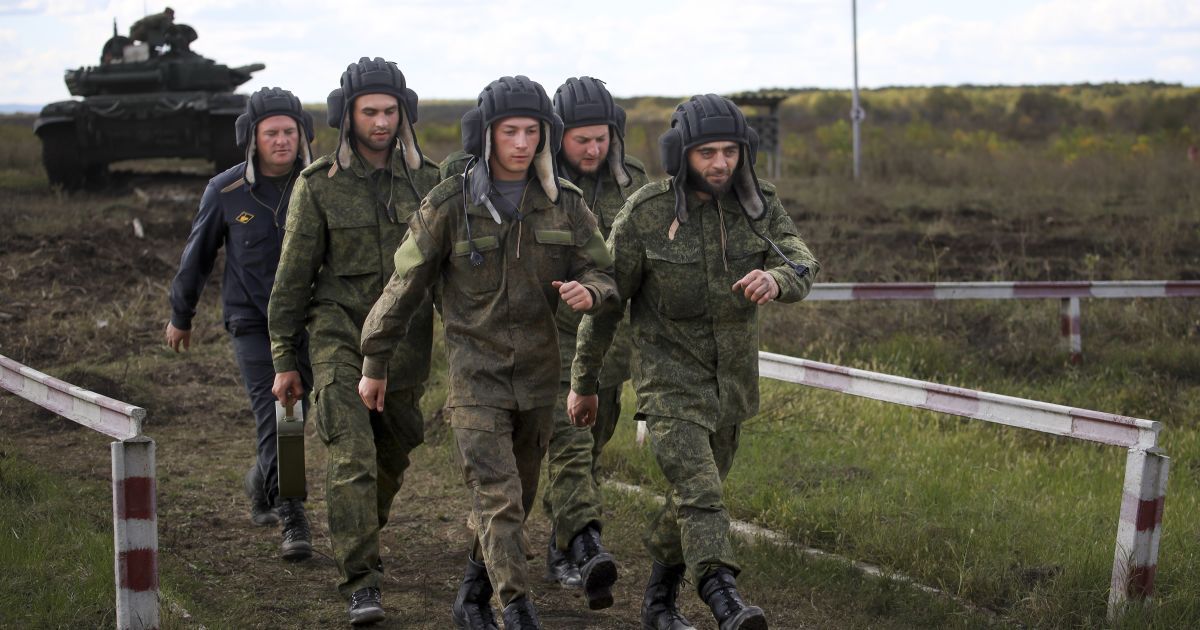
Mobilization in Russia / © Associated Press
Following the 2022 "partial mobilization" that sparked widespread panic and mass exodus among Russians, the Kremlin had long shied away from another overt call-up. Now, authorities have devised a workaround to sidestep a formal declaration—by tapping reservists.
This was reported by Defense Express.
Russia's "government" has endorsed a draft law permitting the mobilization of individuals from the mobilization reserve for combat missions outside Russian territory, even during peacetime.
In other words, Russian reservists can now be dispatched to war without an official mobilization announcement.
The document has already been approved by the "cabinet" and is expected to swiftly navigate all stages of adoption in the State Duma. If needed, it could be formally ratified in a matter of days.
Russia's reservist pool
The measure targets those who have signed contracts with Russia's Defense Ministry for reserve service. Official estimates put their number at up to 2 million.
This should not be confused with the full mobilization reserve, which encompasses all military-liable men. The actual number of active reservists ready for frontline dispatch remains unclear.
Why the Kremlin is pursuing this
The new rules coincide with multiple reports that the Kremlin is preparing another mobilisation wave. Moscow now appears to be taking a quieter approach — deploying reservists without calling it mobilisation.
The 2022 “partial mobilisation” drafted around 300,000 people and sparked public discontent. Since then, the authorities have relied on “creeping mobilisation” — recruiting volunteers under contract with financial bonuses. Yet even that proved costly and largely ineffective.
Reservists' pay and risks
For reserve service, Russians receive paltry sums—up to 6,000 rubles (about $75) for privates and sergeants, and up to 10,000 rubles (about $125) for officers.
Refusal or failure to appear for military drills carries administrative and criminal penalties.
The real implications
On paper, this isn't "mobilization," but in practice, it is. The Kremlin is once again scouring for frontline "cannon fodder"—this time under the guise of routine reservist musters.
How the call-up will proceed and how many will be sent remains undisclosed.