
New «buffer zones» and plans to occupy four Ukrainian regions: What Russia is planning for 2026
Analysts outline Russia’s plan for 2026.
- Author of the publication
-

War in Ukraine
Russia is preparing for a new large-scale escalation, seeking to seize as much territory as possible before the start of potential negotiations.
This is stated in an analysis by the Ukrainian Institute for the Future.
“Maximum pressure” strategy
Putin has publicly confirmed that he does not intend to abandon the initial objectives of the so-called “special military operation”. On the contrary, the Kremlin is planning to expand the theatre of military operations.
The main goal is to maximise pressure on Ukraine and the West in order to dictate its own terms during any possible dialogue.
Offensive plans for 2026: new directions and “buffer zones”
According to analysts, Russia’s chief of the general staff, Valery Gerasimov, has already defined priority tasks for the year:
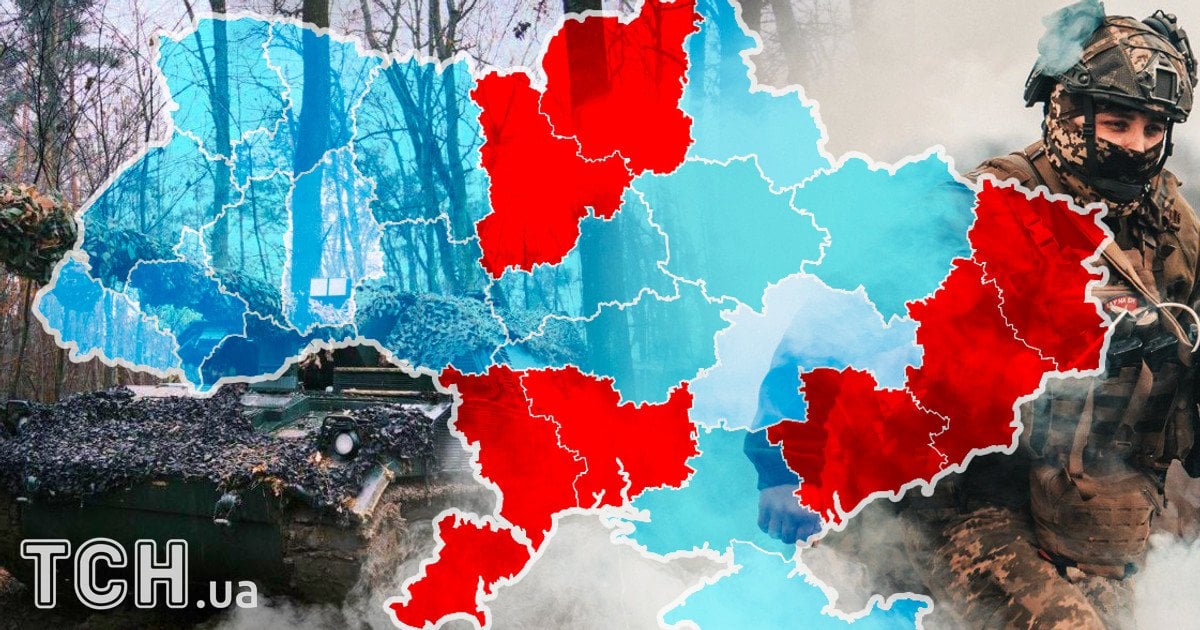
Sumy and Kharkiv regions: expansion of the so-called “buffer zone”. Russian forces will attempt to push the front line deeper into Ukrainian territory.
Donetsk region: rather than costly frontal assaults on fortified areas, Russia is preparing a flanking advance towards Sloviansk and Kramatorsk from the south-west.
Zaporizhzhia region: continuation of offensive operations aimed at seizing key logistical hubs.
Pace of advance
Analysts have calculated the actual pace of Russian advances. At the current rate of fighting, Russia would need approximately another 1,190 days to fully seize four Ukrainian regions — Donetsk, Luhansk, Zaporizhzhia and Kherson.
At this pace, full occupation of these regions would only be possible by April 2029.
Focus on drones: formation of specialized brigades
To break through the front line, Russia is creating new military structures. In particular, the formation of the 50th Unmanned Systems Brigade is scheduled to be completed by 1 December 2026.
Personnel: 7,000 troops.
Incentives: servicemen are promised pay bonuses of up to 350%, placing them on a par with Russia’s Special Operations Forces. This indicates that drones are becoming the main instrument of Russia’s offensive.
Provocation aimed at derailing talks
Russia’s Foreign Intelligence Service is already preparing an information campaign aimed at destabilization. Analysts warn of the possibility of a large-scale provocation with a high number of casualties.
The Kremlin’s goal would be to blame Ukraine and use the incident as a pretext to derail negotiations, should the process fail to follow Moscow’s preferred scenario.