
Russia accelerates Shaheds to 500 km/h: Why strikes now pose a greater threat
Russia has begun deploying jet-powered Shahed drones capable of reaching speeds up to 500 km/h. As a result, Ukrainian interceptor drones, designed for slower targets, are not always able to catch them.

 Follow us on Google
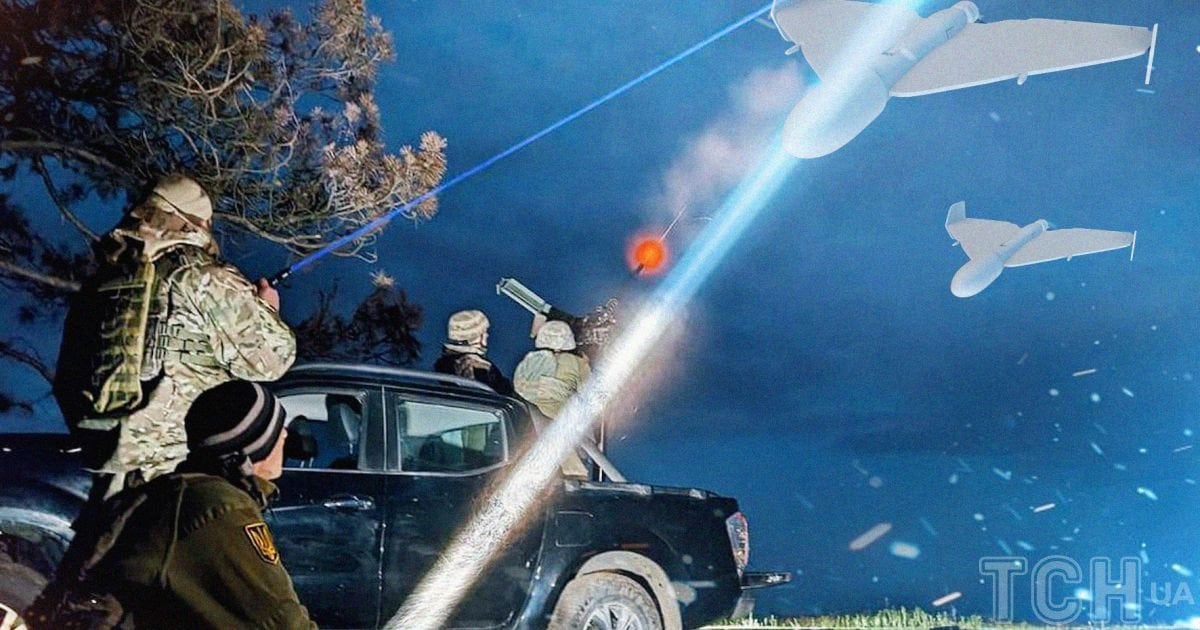
Shaheds
Russia has started equipping Shaheds with jet engines, allowing the drones to develop speeds of up to 500 km/h. Consequently, Ukrainian interceptor drones, which successfully operated against older Shahed modifications, are unable to overtake the new jet-powered targets.
Former Deputy Chief of the General Staff of the Armed Forces of Ukraine, Lieutenant General Ihor Romanenko, stated this in an interview with OBOZ.UA.
According to him, Ukraine’s existing interception assets were developed to counter standard strike UAVs powered by lawnmower-style engines, which fly at speeds up to 225 km/h.
Ukrainian interceptors can accelerate to approximately 250 km/h, which previously allowed them to successfully destroy older Shaheds and even slower reconnaissance drones. However, Russia’s introduction of jet-powered drones traveling at around 500 km/h has effectively neutralized this advantage.
Romanenko says the solution is for Ukraine to develop its own jet-powered interceptor drones. Such systems would need to reach speeds of 600-700 km/h to effectively engage the new generation of Russian UAVs.
However, Romanenko warns this will demand heavy financial, technological, and organizational backing.
Meanwhile, Ukraine faces a worsening shortage of air defense interceptors as Russian forces step up tactics to breach its shield. These methods include maneuvering, deploying decoys, and launching jamming countermeasures directly from ballistic missiles, Romanenko said.
Without sufficient Patriot, PAC-3, or SAMP/T systems, countering such missiles is severely complicated.
This comes as Moscow shifts its aerial assault strategy. Russian forces have shortened the intervals between mass strikes, deploying fewer munitions per raid but attacking more frequently and relying more heavily on ballistic missiles.