
The Kremlin uses Americans to spread pre-election fakes — mass media
Russia is intensifying its disinformation campaign in the lead-up to the U.S. elections.
 Follow us on Google
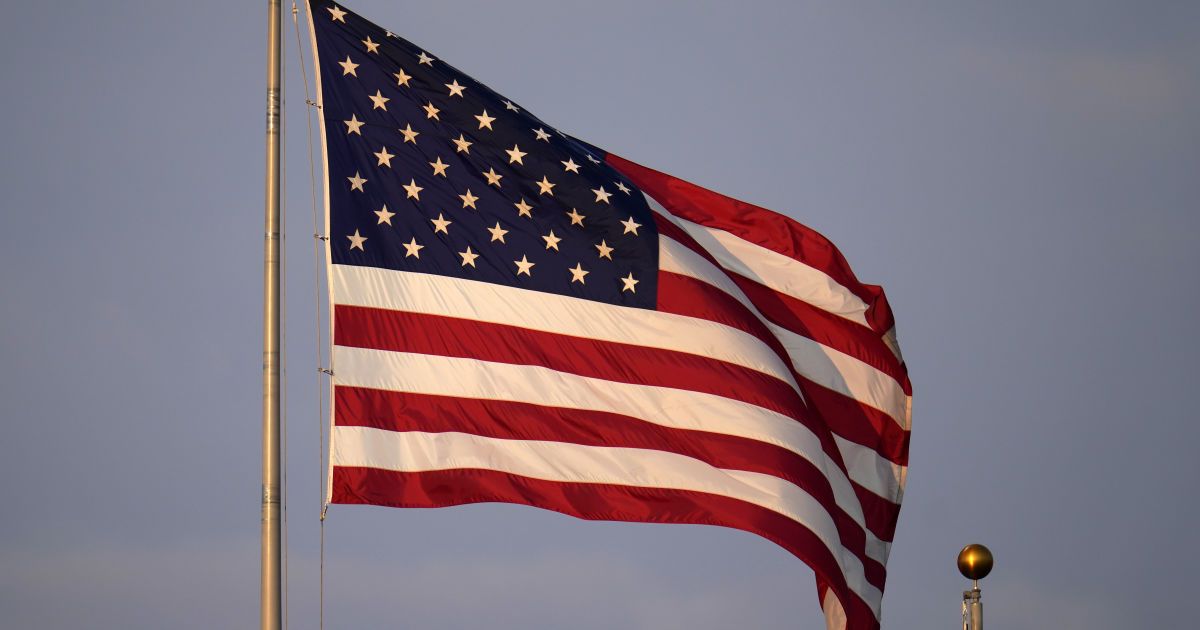
The Kremlin uses Americans to spread pre-election fakes
The Kremlin uses ordinary Americans and commercial PR firms in Russia to spread misinformation about the presidential race among U.S. residents.
Yahoo writes about this with reference to anonymous high-ranking US intelligence officials.
The warning comes after a tumultuous few weeks in American politics that have forced Russia, Iran and China to rethink some of the details of their propaganda game. What has not changed, according to intelligence officials, is the determination of these countries to flood the Internet with false and inflammatory statements about American democracy to undermine faith in the elections.
"American citizens need to be aware that the content they read online — especially on social media — could be foreign propaganda, even if it seems to come from fellow Americans or from within the United States," said an official from the Office of the Director of National Intelligence.
Russia continues to pose the greatest threat when it comes to election-related disinformation, though there are signs that Iran is expanding its efforts, while China is acting cautiously regarding 2024.
Kremlin-affiliated groups are increasingly hiring marketing and communications firms based in Russia to outsource part of the work involved in creating digital propaganda and covering their tracks.
Two such firms were subjected to new U.S. sanctions announced in March. Authorities claim that the two Russian companies created fake websites and social media profiles to spread Kremlin disinformation. This disinformation could focus on candidates or voting issues, or on topics already being debated in the U.S., such as immigration, crime or the conflict in Gaza.
However, the ultimate goal is to force Americans to spread Russian disinformation without questioning its origin. Officials say people are much more likely to trust and repost information they believe comes from an internal source. Fake websites designed to mimic US news outlets and AI-generated social media profiles are just two methods.
In some cases, Americans and American technology companies and media outlets are willing to amplify and repeat the Kremlin's messages.
Senator Mark Warner, Сhairman of the Senate Intelligence Committee, expressed concern last month that the U.S. might be more vulnerable to foreign disinformation this year than it was in the run-up to the 2020 elections. On Monday, he said that the intelligence officials' warning indicated that U.S. elections are "at the center of attention for bad actors around the world."
"This also troublingly highlights how foreign players — particularly Russia — rely on both conscious and unconscious Americans to promote pro-Russian narratives within the United States," Warner, a Democrat from Virginia, said in his statement.
One indicator of the threat is that officials, tracking foreign disinformation, claim they have issued twice as many warnings to political candidates, government leaders, election commissions, and others, targeted by foreign groups during the 2024 election cycle, as compared to the 2022 election cycle.
Read also:
Kyiv attacked by "Gerberas"?: A new enemy drone reached the capital at very low altitude
A PR campaign for kidnapping Ukrainian children launched in Russia: what is known
"Strong enemy": Special Operations Forces talk frankly about how the Russians fight
Putin's death is there: Svitan named the optimal strategy for the liberation of Crimea