
Why interceptor drones cannot fully stop "Shahed" attacks: Expert explains
Interceptor drones are an effective but limited tool in countering enemy UAVs. Reliable protection requires radars and a comprehensive approach.
 Follow us on Google
Air defense
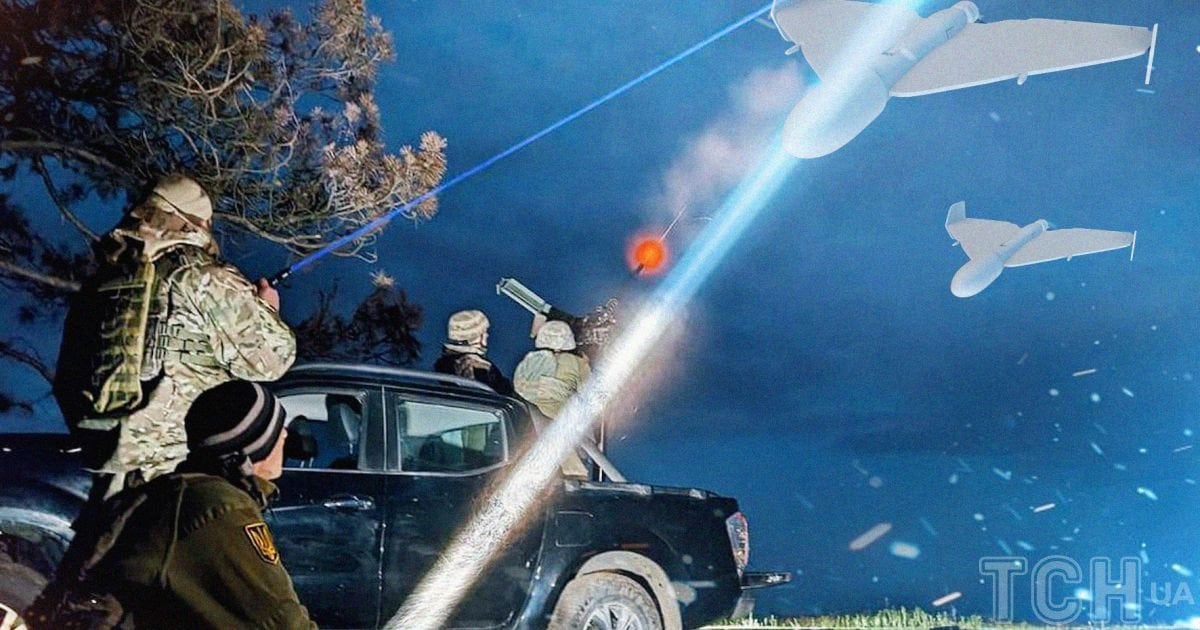
Ukraine is actively developing a system to combat Russian drones, including the use of interceptor drones. However, these tools alone cannot address the issue of mass "Shahed" attacks.
Military expert Pavlo Narozhny stated this during a broadcast on Radio NV.
He noted that the public has inflated expectations for interceptor drones. According to him, while they are inexpensive (around $1,000 on average) and relatively easy to master, their capabilities are limited.
"There’s this optimism… Everyone thinks interceptor drones are a silver bullet. But that’s not the case," the expert says.
Among the advantages of interceptor drones, he highlighted quick pilot training and low cost. However, their effectiveness is constrained by weather conditions such as snow, fog, wind, or rain. Additionally, effective use of interceptors requires an extensive radar system, which is complex and expensive to produce, with costs starting at €700,000 per unit.
"These drones work well against slow reconnaissance UAVs like Zala or Orlan. But when it comes to fast-moving "Shaheds," they are far less effective," Narozhny explains.
He adds that Russia is constantly upgrading its attack drones, equipping them with more powerful four-stroke engines, which significantly increase their flight speed and make interception more difficult.
According to the expert, this area is important to develop, but Ukraine should not rely on interceptor drones as a universal air defense solution. Only a comprehensive approach, including modern radars, air defense systems, and other technologies, will enable effective counteraction to Russia’s mass drone attacks.