
Putin's buffer zone: Portnikov explains the risk for the regions and the resulting outcome
The dictator's plan to create a buffer zone may indicate preparations for new offensive actions in Sumy region, which borders Russia's Kursk region. Other regions also remain under threat.

 Follow us on Google
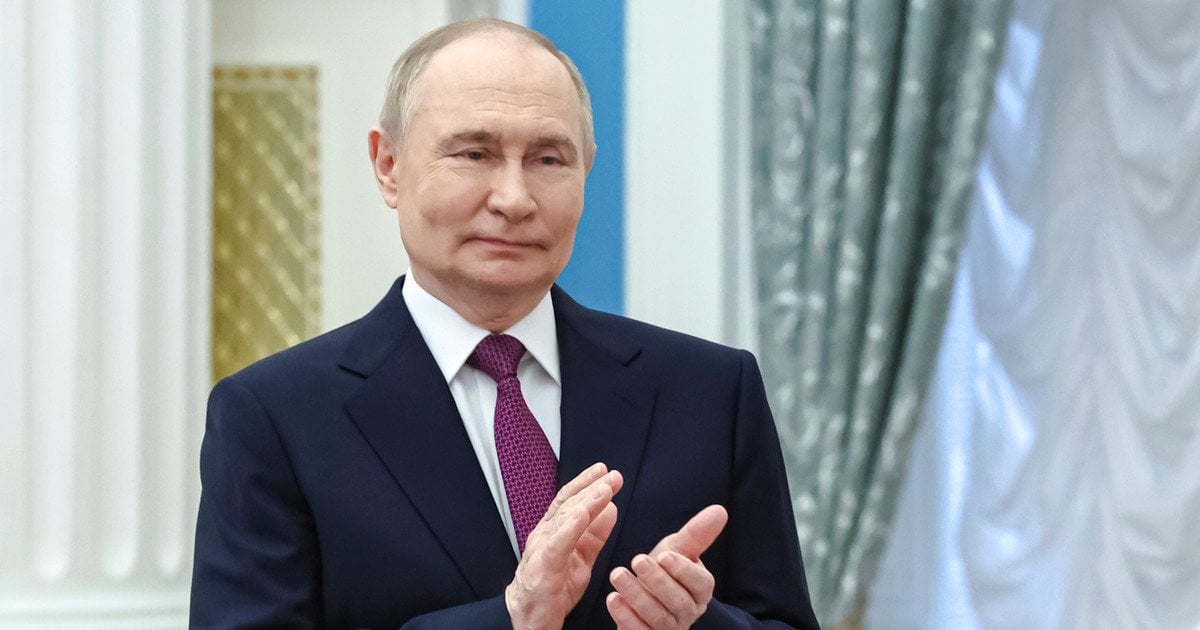
Vladimir Putin / © Associated Press
Russian president Vladimir Putin has repeatedly mentioned the creation of so-called buffer zones. These statements come amid the Ukrainian Armed Forces' capture of a significant part of Kursk region, which has raised doubts about the security of Russian border regions.
This opinion was expressed by Ukrainian journalist Vitaliy Portnikov.
“To understand what Russia’s buffer zone on the border with Ukraine entails, one must first understand where Russia’s borders end from the perspective of the Russian president and his country’s leadership. Naturally, these borders extend to the administrative boundaries of Donetsk, Luhansk, Kherson, and Zaporizhzhia regions,” he noted.
“I can no longer clearly say who shares a border with whom from the perspective of Russian occupation, where the border territory lies, and where Russia’s internal territory begins according to Putin. Another buffer zone will be established,” he continued.
Portnikov emphasizes that “we are not only expected to retreat to the administrative borders of our own regions but also to agree that Russian forces will ensure the security of these territories by occupying parts of, say, Kharkiv or Dnipro regions.”
“What Putin means by creating a buffer zone is, for instance, Russian forces occupying parts of Kharkiv and Dnipro regions to establish a buffer zone to secure purely Russian regions. One day, referendums will be held in these so-called buffer zones to annex these territories to the Russian Federation. It will be declared that Dnipro, Kharkiv, and Sumy regions are now Russian regions,” he explained.