
Russia strikes Ukraine with radioactive drone carrying uranium-tipped missile
Gamma radiation levels at the crash site of the Russian drone in the Chernihiv region posed a direct threat to human health.
 Follow us on Google
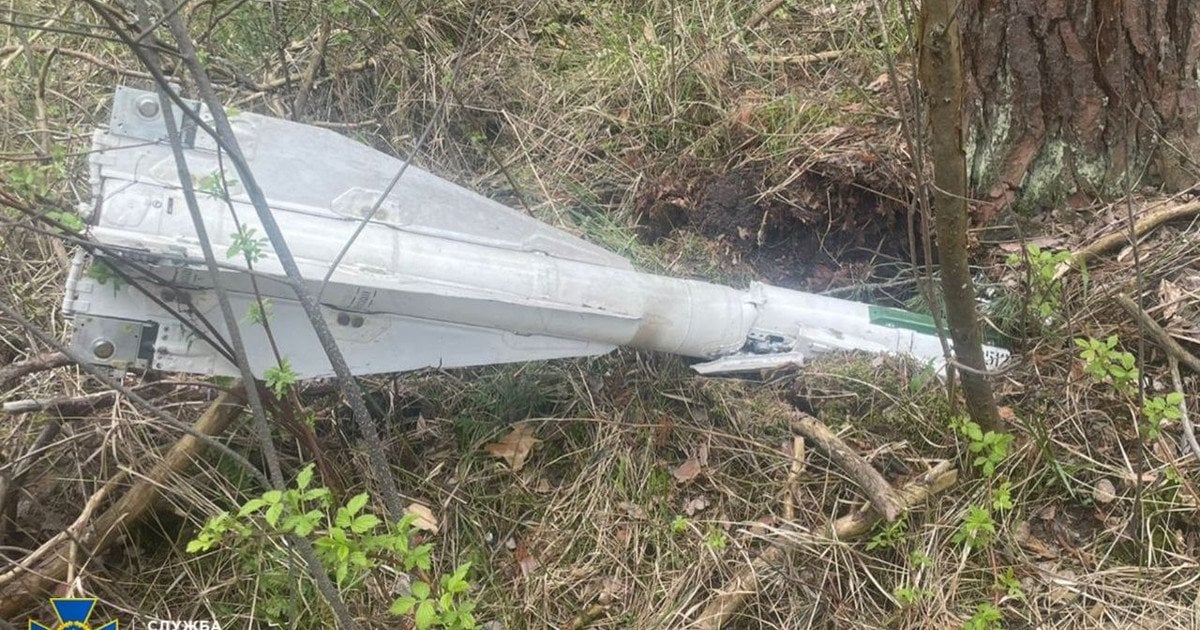
UAV
The Security Service of Ukraine (SSU) discovered a hazardous radiation anomaly at the crash site of an enemy drone in the Chernihiv region. Debris from the modified UAV exhibited elevated radiation levels due to remnants of a combat missile. Experts later identified hazardous uranium isotopes, according to the agency’s press service.
Counterintelligence officers and investigators from the Security Service of Ukraine conducted a detailed examination of the remains of enemy weapons used by the Russian army in the attack on the region in April 2026.
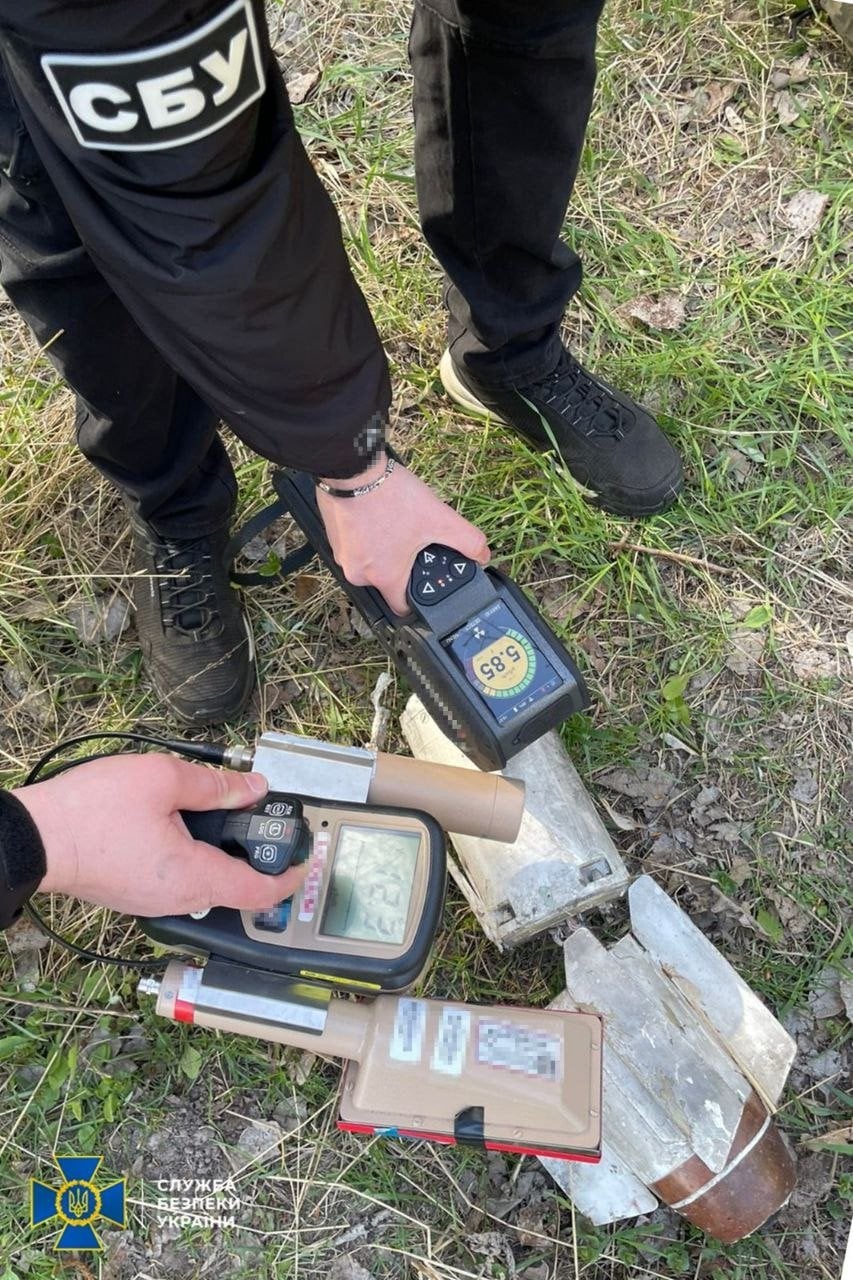
Case materials
Investigators said Russian forces mounted the dangerous weapon on strike drones during a massive overnight attack on April 7. Near the village of Kamka, law enforcement recovered fragments of an R-60 air-to-air missile attached to a Russian "Geranium-2" drone.
“Russian forces use such missiles during massive attacks to strike Ukrainian aircraft and helicopters intercepting enemy UAVs,” the SSU stated.
During radiation surveys near the debris, specialists recorded dangerous levels posing a threat to local residents.
“A gamma radiation level of 12 microsieverts per hour was detected, significantly exceeding natural background levels and posing a risk to human health,” the agency said.
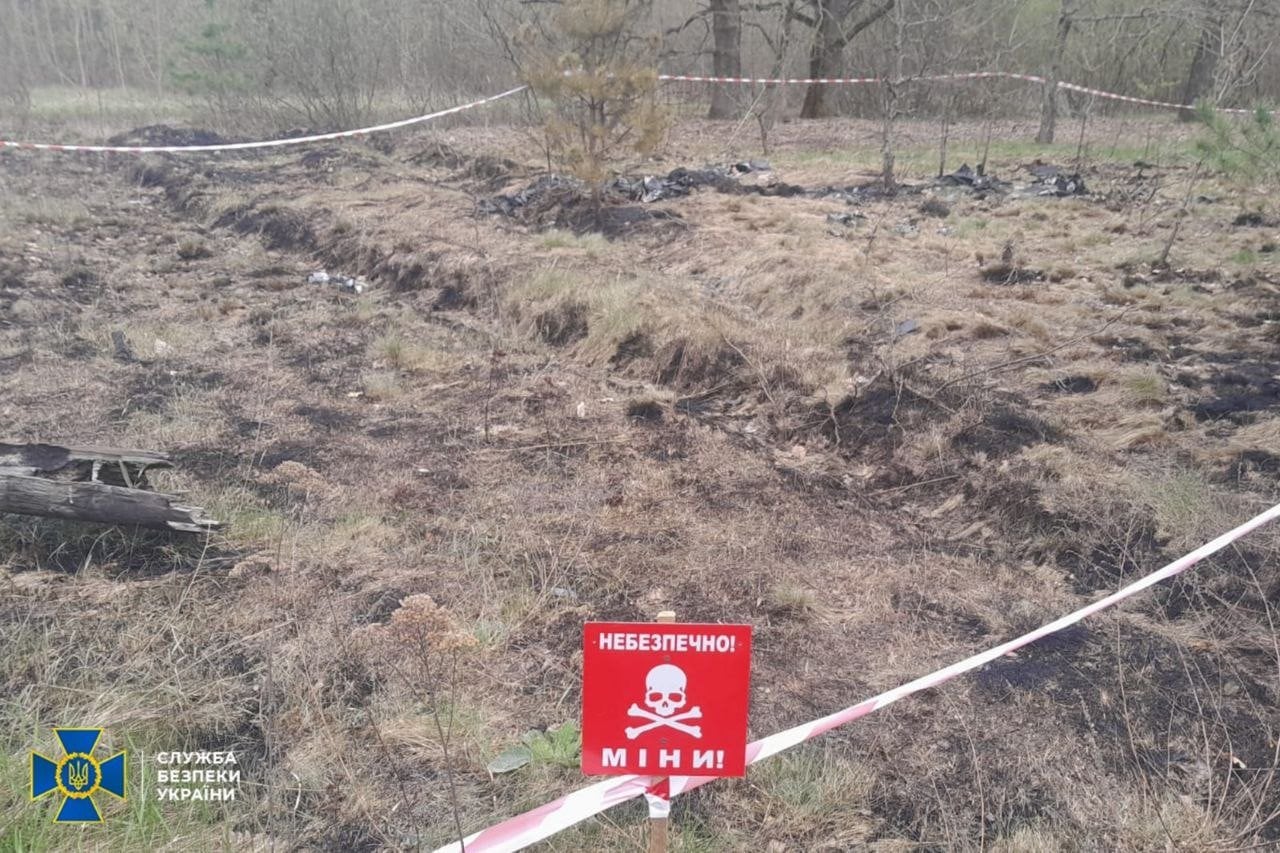
Case materials
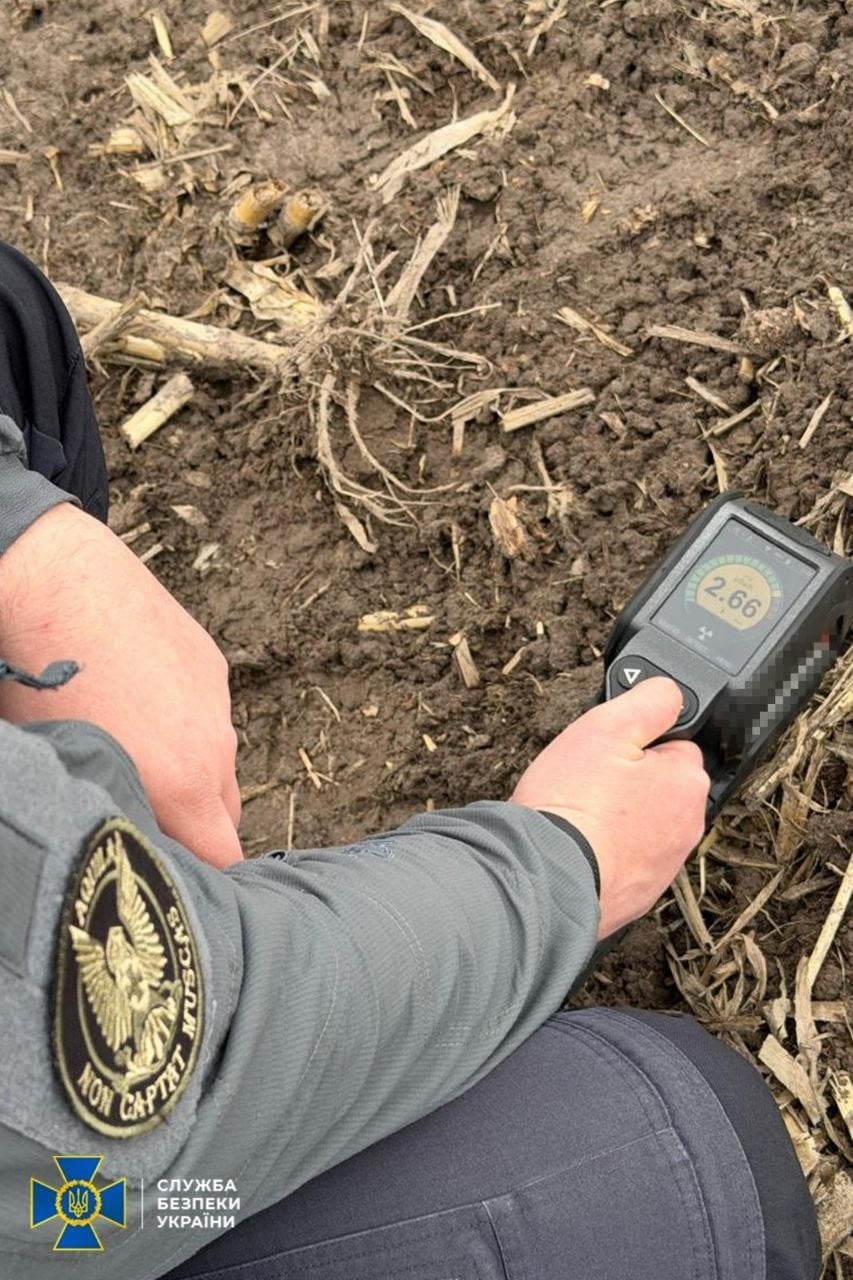
Case materials
The SSU, together with the State Emergency Service of Ukraine and Ukraine’s Defense Forces, contained the threat. The warhead was secured and transferred to a specialized radioactive waste storage facility.
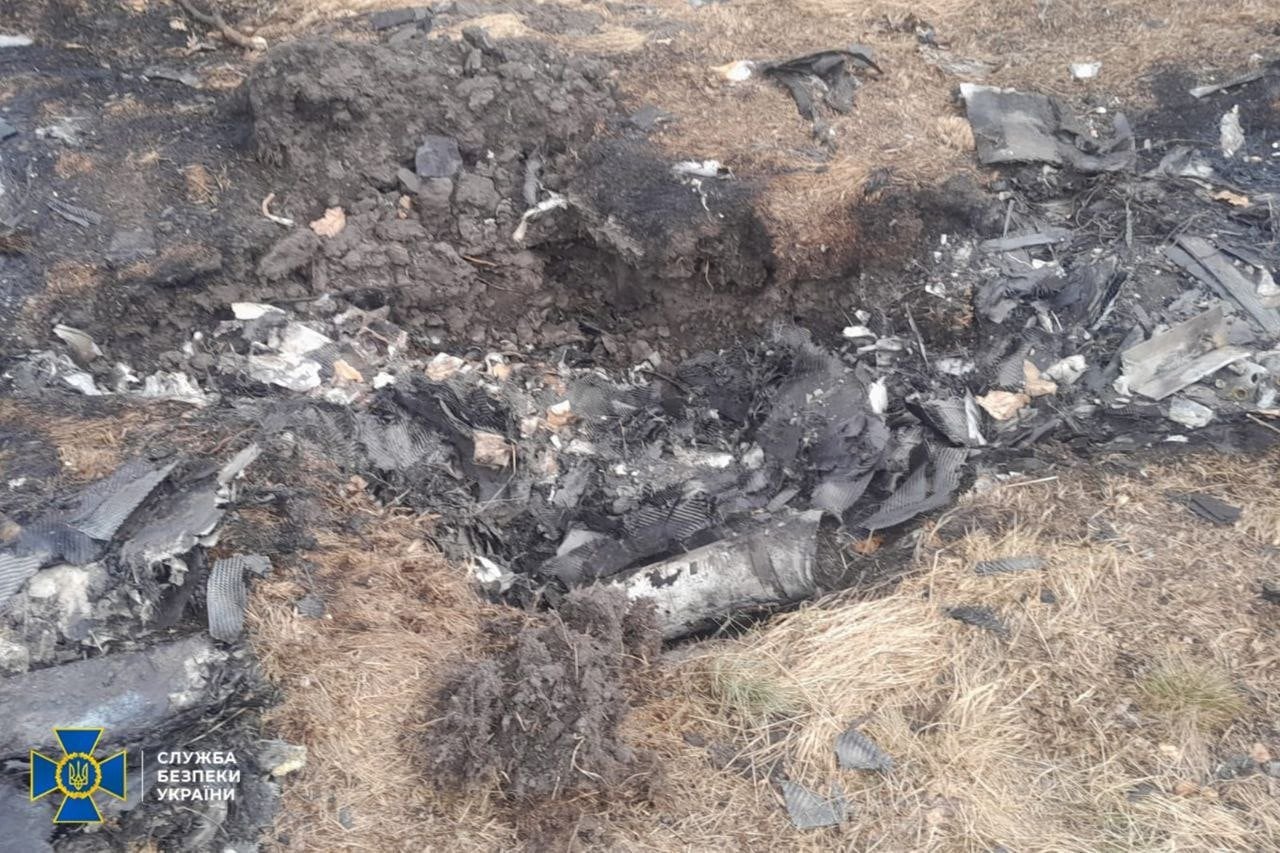
Case materials
Subsequent laboratory tests confirmed the worst fears:
“Tests confirmed that the warhead contained destructive elements of depleted uranium identified as Uranium-235 and Uranium-238,” the SSU said.
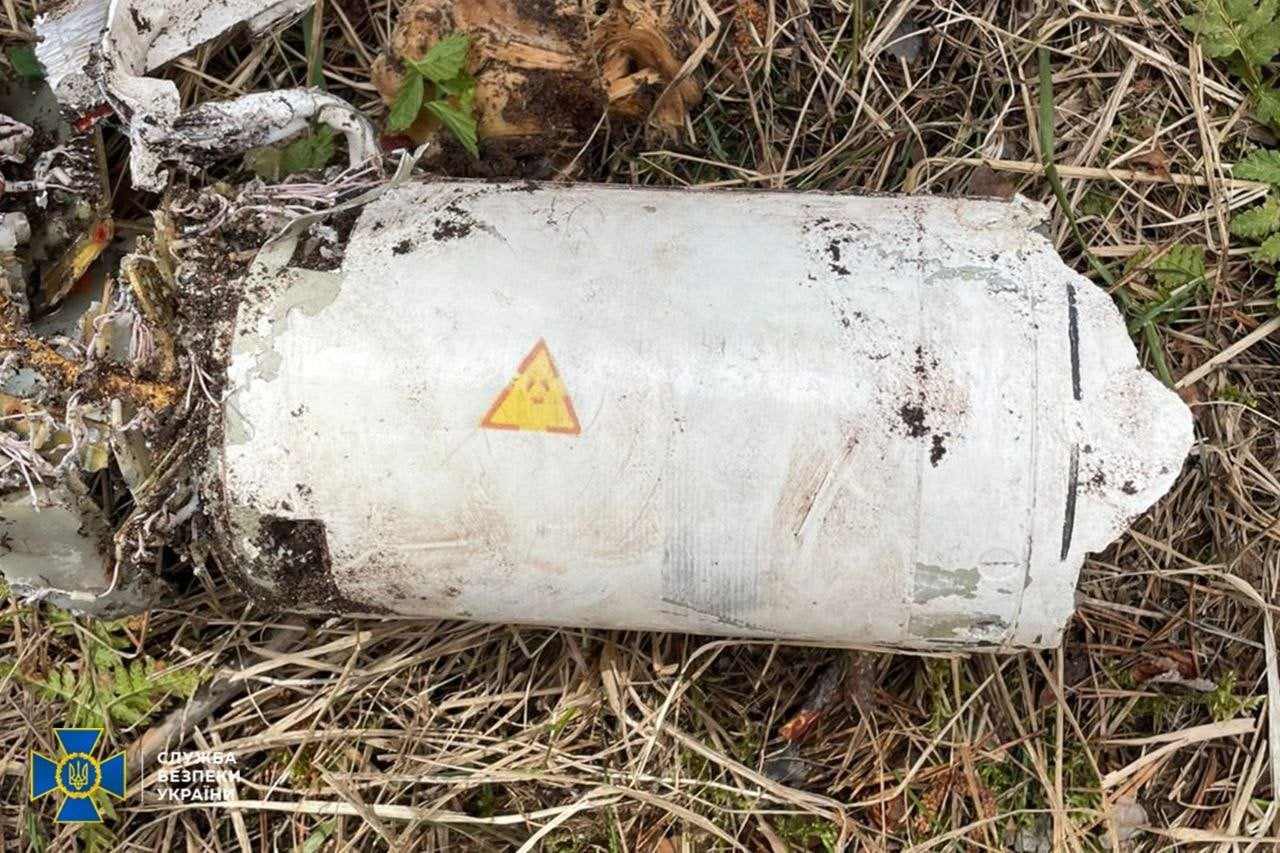
Case materials
SSU investigators are currently conducting a pre-trial investigation into the incident under Article 438 of the Criminal Code of Ukraine, which covers war crimes.
Given the high toxicity and radioactivity of depleted uranium, officials urge Ukrainians to remain highly vigilant if they encounter suspicious metallic objects or aircraft wreckage.
"Damaged or burned ammunition poses the greatest danger, as it can release radioactive dust that harms both people and the environment," experts warned.
Approaching, touching, or moving such hazardous objects is strictly forbidden. Anyone discovering wreckage must immediately withdraw to a safe distance and report it to the authorities.