
Three major cities may become Russia’s next targets after Pokrovsk, expert warns
After Pokrovsk, Russia may attack Kostyantynivka, said former SBU officer Ivan Stupak.

 Follow us on Google
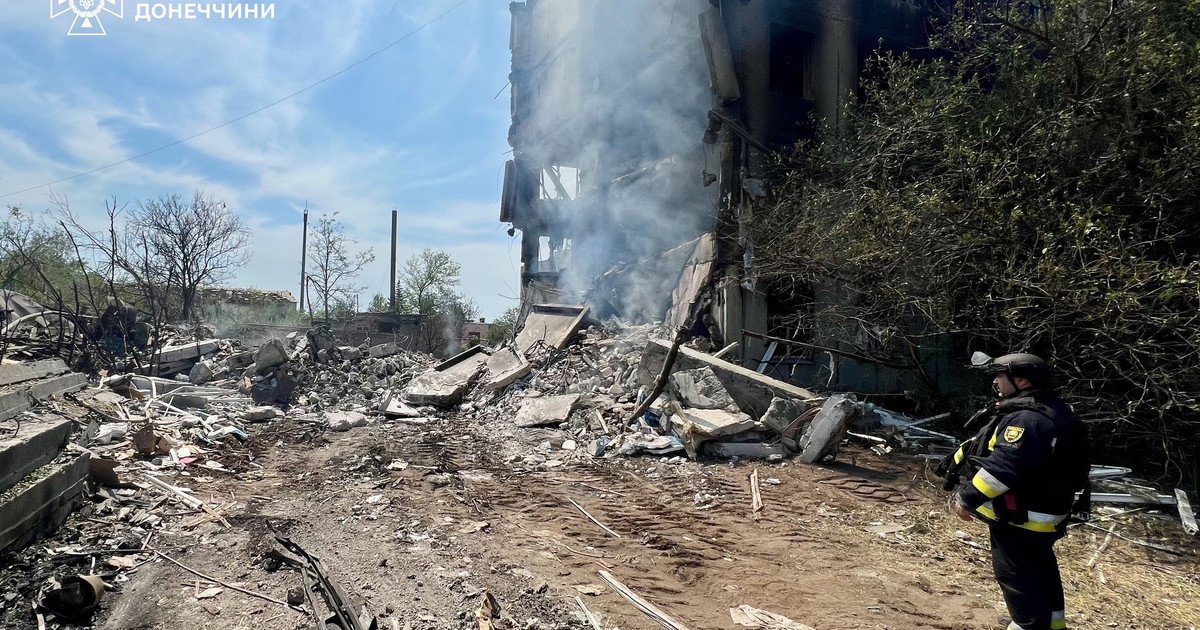
After Pokrovsk, Russia may attack Kostiantynivka, said Ivan Stupak, military expert, former officer of the Security Service of Ukraine.
Following the possible capture of Pokrovsk, Russian forces are most likely to target Kostiantynivka, and then Kramatorsk and Sloviansk. However, there is also a risk of dispersing strikes in other regions.
This was stated by military expert and former officer of the Security Service of Ukraine Ivan Stupak in a comment to the outlet “Glavred.”
According to Stupak, the Kremlin currently lacks resources for a massive offensive in all directions simultaneously, so the enemy concentrates efforts and transfers reinforcements from other parts of the front. In particular, the expert says that some Russian units had already been redeployed from the Sumy axis to reinforce the assault near Pokrovsk.
In the expert’s view, there is up to a 95% probability that the next point of Russian advance will be Kostiantynivka — it is there that the enemy is most likely to attempt a breakthrough of the defense. If this goal is achieved, the next targets will most likely be Kramatorsk and Sloviansk — cities whose capture would have significant informational and propaganda effect for Russia: the ability to claim “complete” control over Donetsk region.
At the same time, Stupak warns that this is only the most likely scenario, and the enemy may change tactics — dispersing forces and intensifying the offensive in Dnipropetrovsk or Zaporizhzhia regions, where shelling and operational activity continue.
Therefore, Ukraine’s commanders must identify where Russia intends to deliver its main blow and shift troops and resources to resist it effectively, he says.
“The likeliest direction is toward Kostyantynivka — Russia will try to claim it has "closed" Donetsk region. But what that "closure" means for residents and the future of the cities is a different question,” Stupak notes.