
Why "Shaheds" are no longer being shot down like before: Expert explains the reasons
The army aviation of the Ukrainian Ground Forces has lost the ability to effectively counter massive attacks by upgraded enemy drones.

 Follow us on Google
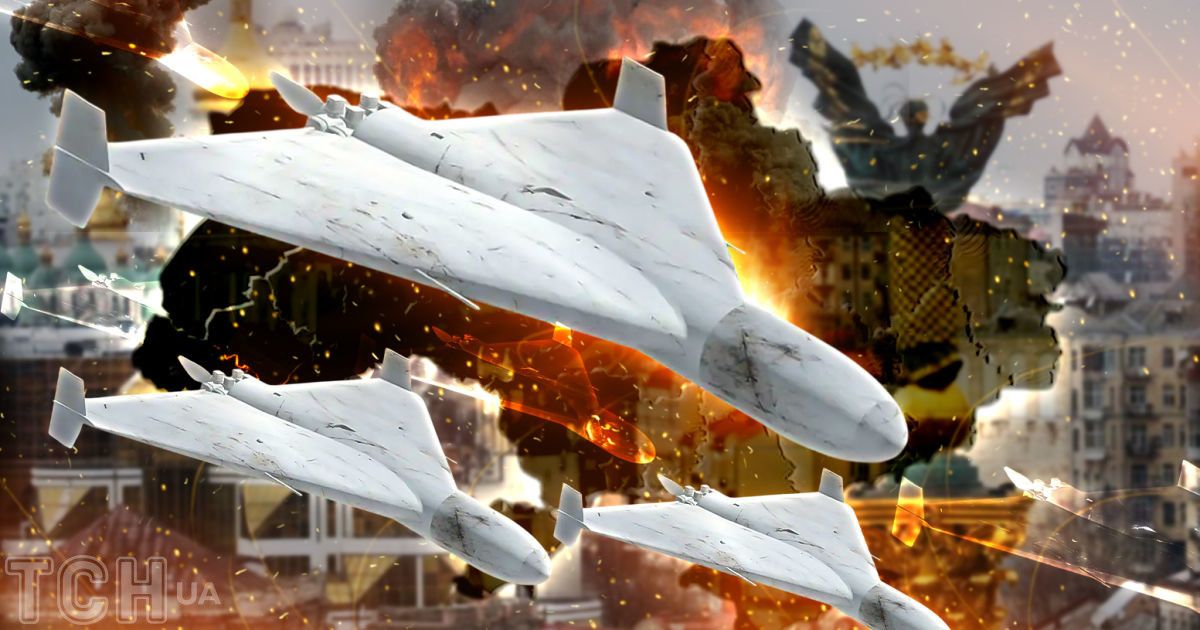
Attack by Russian drones
During large-scale attacks on Ukraine, enemy «Shahed» drones are increasingly breaching Ukrainian air defenses and striking cities. While up to 90% of Russian drones were being destroyed before April of this year, the current interception rate is significantly lower.
Aviation expert Kostiantyn Kryvolap, speaking on 24Kanal, outlined the main reasons for the decreased effectiveness of Ukraine’s air defense systems.
According to him, «Shaheds» used to be successfully intercepted by the army aviation of the Ground Forces — particularly helicopters, which were destroying nearly half of all enemy drones.
Kryvolap noted that recently, the Russians have equipped their drones with Chinese engines, which increased their speed, and have also significantly ramped up the number of drones used in each attack. In addition, the drones now fly at altitudes that helicopters cannot reach.
As a result of all these factors, the expert says, army aviation has lost the ability to shoot down as many drones as before.
«The effectiveness of army aviation has significantly declined, and the „Shaheds“ have started to break through. Mobile fire groups also cannot act effectively, because if a „Shahed“ is flying at an altitude of over 2,000 meters, they simply can’t reach it, ” said Kryvolap.
The expert also explained that it is actually easier and safer for tactical aviation of the Air Force to strike a cruise missile moving at 700 km/h than a slow drone flying at 130–180 km/h.
Additionally, according to him, the Russians are using reconnaissance drones to map out routes for the main drone swarm, identifying the locations of Ukrainian air defense assets.
Kryvolap stated that to counter such massive attacks by upgraded «Shaheds, ” it would be appropriate to use interceptor drones and short-range missiles, which can be mounted on light aircraft.